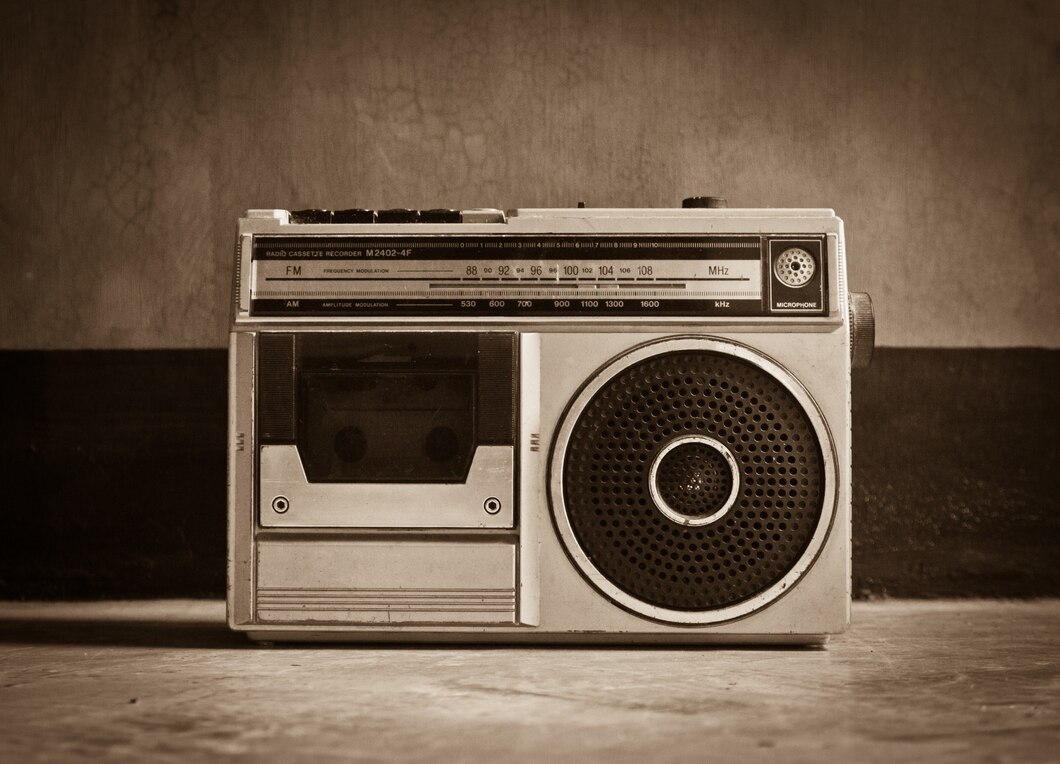
Despite the rapid growth of smartphones, streaming platforms, and internet-based entertainment, Analog Radios continue to hold a valuable place in modern life. From providing reliable access to news and emergency broadcasts to offering a simple, distraction-free listening experience, analog radios remain practical for millions of people worldwide. Whether you’re using one at home, while traveling, or during a power outage, these timeless devices continue to prove their worth. Their durability, ease of use, and ability to function without an internet connection make them an enduring example of technology that still serves an important purpose in today’s digital age.
The Enduring Appeal of Analog Radios
Technology has evolved dramatically over the past few decades, but some inventions remain relevant because they solve problems effectively. Analog radios are one such example. While digital devices have transformed communication and entertainment, analog radios continue to deliver reliable performance with minimal complexity.
Unlike internet-based services that depend on data connections, apps, and subscriptions, analog radios allow listeners to tune into local stations instantly. This simplicity has helped them remain popular among people of all ages.
The Rich History of Vintage Radios
The story of Vintage radios dates back to the early 20th century, when radio broadcasting revolutionized communication. Families gathered around beautifully crafted wooden radio cabinets to listen to music, news, educational programs, and dramatic storytelling.
Over time, radios became:
- Smaller
- More affordable
- Portable
- More energy efficient
Today, vintage radio collections are appreciated not only for their functionality but also for their craftsmanship and historical significance.
Traditional Radio Continues to Connect Communities
Even in the era of streaming, Traditional radio remains one of the most accessible forms of mass communication. Local radio stations provide community news, weather updates, sports coverage, interviews, and entertainment that reflect regional interests.
Unlike many digital platforms, traditional radio can reach people in remote locations where internet connectivity may be limited or unavailable.
Understanding AM FM Radios
Most analog radios receive signals through AM FM radios technology.
AM (Amplitude Modulation)
AM radio offers:
- Long-distance coverage
- News programming
- Talk shows
- Emergency broadcasts
FM (Frequency Modulation)
FM radio provides:
- Better audio quality
- Music stations
- Less signal interference
- Local entertainment
Together, AM and FM continue to serve millions of listeners around the world.
Analog Communication: A Simple Yet Effective System
Analog communication transmits information using continuously varying signals. Unlike digital systems that convert information into binary data, analog signals closely represent the original sound wave.
This straightforward method allows radios to receive broadcasts with very little processing, making them dependable even under challenging conditions.
Digital vs Analog Radio
The debate over Digital vs analog radio often centers on audio quality and convenience.
Digital radio typically offers:
- Additional channels
- Song information
- Clearer sound under ideal conditions
- Extra interactive features
Analog radio offers:
- Simplicity
- Wider compatibility
- Lower power consumption
- Better accessibility during emergencies
- Immediate tuning without complicated menus
Each technology has strengths, but analog radio continues to provide practical value where reliability matters most.
Why Classic Radios Remain Popular
Many collectors and everyday listeners appreciate Classic radios for their timeless design and dependable performance.
Classic models often feature:
- Large tuning dials
- Durable construction
- Mechanical controls
- Warm sound quality
- Long operational life
Their nostalgic appearance also makes them attractive decorative pieces.
Portable Analog Radios Offer Everyday Convenience
One reason analog radios remain relevant is the availability of Portable analog radios.
These compact devices are useful for:
- Camping trips
- Hiking
- Traveling
- Gardening
- Outdoor work
- Emergency kits
Battery-powered portable radios continue operating even when internet services fail.
The Evolution of Radio Technology
Modern Radio technology has expanded significantly, yet the basic principles of radio transmission remain largely unchanged.
Radio systems involve:
- A transmitter
- Signal modulation
- Radio waves
- Antennas
- Receivers
Although digital broadcasting has introduced new capabilities, analog broadcasting continues to operate successfully in many regions.
The Unique Sound of Analog Audio
Many listeners appreciate the natural character of Analog audio.
While digital systems strive for perfect clarity, analog broadcasts often produce a warmer, more continuous listening experience that some people find more enjoyable.
For music enthusiasts, this subtle difference contributes to the enduring appeal of analog equipment.
Radio Broadcasting Still Reaches Millions
Despite the popularity of online media, Radio broadcasting remains one of the world’s most widely used communication platforms.
Radio stations continue to provide:
- Local news
- Weather updates
- Traffic reports
- Sports commentary
- Educational programming
- Entertainment
Broadcasting reaches audiences quickly without requiring internet access.
Retro Radios Bring Nostalgia to Modern Homes
Today’s Retro radios combine vintage styling with modern functionality.
Many models include:
- AM/FM reception
- Bluetooth connectivity
- USB charging
- Rechargeable batteries
These products blend classic aesthetics with contemporary convenience.
Understanding Analog Radio Receivers
Analog radio receivers work by capturing electromagnetic radio waves through an antenna.
Inside the receiver:
- Signals are selected
- Unwanted frequencies are filtered
- Audio is amplified
- Sound is delivered through speakers
The process is efficient and requires relatively little power.
Analog Radio Benefits That Stand the Test of Time
There are numerous Analog radio benefits that explain their continued popularity.
Key advantages include:
- Simple operation
- Low maintenance
- Excellent durability
- Affordable pricing
- No internet dependency
- Wide availability
- Battery-powered operation
These qualities make analog radios practical for everyday use.
Radio Listening Without Digital Distractions
One of the greatest pleasures of Radio listening is its simplicity.
Unlike smartphones, radios don’t interrupt you with:
- Notifications
- Social media alerts
- Emails
- Advertisements tailored by algorithms
Listeners can simply enjoy music, conversations, or news without distractions.
Why Analog Radios Still Matter
Many people ask Why analog radios still matter in today’s connected world.
The answer lies in their unique strengths:
- Reliable communication
- Independence from internet networks
- Easy operation
- Low power requirements
- Emergency accessibility
- Affordable ownership
These qualities ensure analog radios remain valuable even alongside advanced technologies.
Benefits of Analog Radios for Everyday Users
The Benefits of analog radios extend well beyond nostalgia.
They help users:
- Stay informed
- Save battery life
- Access local broadcasts
- Enjoy offline entertainment
- Prepare for emergencies
Many households still keep one as a dependable backup communication device.
Analog Radios vs Digital Radios
Comparing Analog radios vs digital radios reveals that each serves different needs.
Analog radios excel in:
- Simplicity
- Reliability
- Cost-effectiveness
- Battery efficiency
Digital radios excel in:
- Audio quality
- Additional information
- Expanded programming
Many listeners choose to use both depending on the situation.
Best Analog Radios for Everyday Use
When choosing the Best analog radios for everyday use, consider features such as:
- AM/FM reception
- Strong antenna
- Battery backup
- Durable construction
- Easy tuning controls
- Good speaker quality
Simple, dependable designs often provide the best long-term value.
Are Analog Radios Still Useful?
A common question is Are analog radios still useful?
Absolutely.
They remain useful because they:
- Function during power outages
- Operate without Wi-Fi
- Require minimal setup
- Offer immediate access to information
- Continue receiving local broadcasts
Their practicality makes them valuable even in highly connected societies.
Why People Still Use Analog Radios
There are many reasons Why people still use analog radios today.
Some enjoy:
- Nostalgia
- Simplicity
- Reliable reception
- Emergency preparedness
- Outdoor recreation
Others value having a reliable source of entertainment that functions without relying on modern digital systems.
Advantages of Analog Radio
The Advantages of analog radio include:
- Instant startup
- Easy operation
- Broad signal coverage
- Low operating costs
- Long battery life
- Durable hardware
These strengths continue to attract new users.
Analog Radio Technology Explained
For beginners, Analog radio technology explained simply means converting radio waves into audible sound.
The basic process includes:
- Radio station transmits signals.
- Antenna receives signals.
- Receiver selects the desired frequency.
- Signal is amplified.
- Speaker converts electrical signals into sound.
The technology remains remarkably efficient decades after its invention.
How Analog Radios Work
Understanding How analog radios work helps explain their reliability.
Unlike internet streaming, radios don’t require:
- Servers
- Apps
- Internet subscriptions
- User accounts
Instead, they receive freely broadcast signals directly from nearby radio stations.
Best Portable Analog Radios
The Best portable analog radios are ideal for:
- Hiking
- Camping
- Fishing
- Traveling
- Gardening
- Emergency kits
Compact, battery-powered models provide dependable communication almost anywhere.
Analog Radios for Emergency Preparedness
One of the strongest arguments for keeping an analog radio is Analog radios for emergency preparedness.
During disasters, internet access and mobile networks may become unavailable.
Battery-powered radios can still provide:
- Emergency alerts
- Weather warnings
- Evacuation information
- Government announcements
- Local updates
Many emergency preparedness organizations recommend including a portable radio in emergency supply kits.
Why Analog Radios Are Reliable
Several factors explain Why analog radios are reliable.
They have:
- Fewer electronic components
- Lower power requirements
- Simple operating systems
- Proven engineering
- Wide broadcast compatibility
This simplicity reduces the likelihood of technical failures.
History of Analog Radios
The History of analog radios reflects one of humanity’s greatest communication achievements.
From early crystal radios to modern portable receivers, radio technology has connected people across cities, countries, and continents for more than a century.
Radio has played vital roles during:
- Wars
- Natural disasters
- Political events
- Scientific discoveries
- Cultural movements
Its historical significance remains undeniable.
Analog Radio for Outdoor Activities
Whether you’re exploring nature or relaxing outdoors, Analog radio for outdoor activities provides dependable entertainment and information.
Popular uses include:
- Camping
- Boating
- Picnics
- Hiking
- Fishing
- Road trips
Battery-powered radios operate where internet coverage may not.
Analog Radios in the Digital Age
Although smartphones dominate communication, Analog radios in the digital age continue serving unique purposes.
They complement—not necessarily replace—digital devices by offering dependable offline access to information and entertainment.
Retro Electronics Continue to Fascinate
Many collectors enjoy Retro electronics because they showcase timeless engineering and durable craftsmanship.
Vintage radios remain among the most recognizable retro electronic devices, representing an important chapter in technological history.
Classic Communication Devices That Shaped Society
Among the most influential Classic communication devices, analog radios transformed how information spread across communities.
They enabled:
- National broadcasts
- Educational programming
- Emergency communication
- Cultural exchange
Their influence continues today.
The Value of Analog Electronics
Simple Analog electronics often prove remarkably durable because they contain fewer complex digital components.
Many analog radios continue functioning decades after manufacture, demonstrating impressive longevity.
The Portable Radio Remains a Trusted Companion
A reliable Portable radio continues to serve travelers, outdoor enthusiasts, emergency responders, and hobbyists.
Its lightweight design, battery operation, and dependable reception make it a practical companion in many situations.
Why Radio Enthusiasts Appreciate Analog Equipment
Many Radio enthusiasts enjoy tuning analog radios because they provide a hands-on listening experience.
Manual tuning encourages exploration of stations while helping listeners better understand radio frequencies and broadcasting.
Audio Broadcasting Connects Communities
Modern Audio broadcasting continues informing and entertaining millions of people every day.
Local stations remain especially important for:
- Community announcements
- Local sports
- Public service information
- Emergency alerts
Nostalgic Technology Still Has a Place
For many people, analog radios represent Nostalgic technology that recalls family gatherings, childhood memories, and simpler times.
Beyond nostalgia, these devices remain fully functional tools.
Digital Communication and Analog Radio Can Coexist
Rather than replacing each other, Digital communication and analog radio often complement one another.
People may stream music daily while keeping an analog radio available for emergencies, travel, or local broadcasts.
Signal Transmission Remains the Foundation
Effective Signal transmission is what allows radio stations to reach listeners across wide geographic areas.
Despite technological advances, the fundamental science behind radio transmission remains highly effective.
Emergency Preparedness Starts with Reliable Communication
Every emergency plan should prioritize Emergency preparedness. Along with food, water, flashlights, and first-aid supplies, a battery-powered analog radio provides reliable access to critical information when other communication systems fail.
Offline Technology Still Matters
As concerns about internet outages and digital overload grow, many people are rediscovering the value of Offline technology.
Analog radios function independently of:
- Wi-Fi
- Mobile networks
- Apps
- Cloud services
This independence makes them dependable under many circumstances.
Traditional Media Continues to Serve Society
Although online platforms dominate headlines, Traditional media such as radio continues providing trusted local information, educational programming, and emergency communication.
Its accessibility, affordability, and reliability ensure it remains relevant for years to come.
Conclusion
Analog radios have stood the test of time because they offer something that many modern technologies cannot—simple, dependable, and accessible communication. Whether you’re listening to local news, enjoying music during a camping trip, preparing for emergencies, or appreciating the charm of vintage electronics, analog radios continue to prove their value. Their durability, low power requirements, ease of use, and independence from the internet make them an essential companion in both everyday life and unexpected situations. As digital technology continues to evolve, analog radios remain a reminder that reliable, well-designed tools never truly become obsolete.
About the Author