Before the internet became the playground for hackers, the battleground was the airwaves. In the analog age of television, a strange and unsettling phenomenon emerged—broadcast signal intrusion. It was a time when mysterious figures could interrupt live programming, override major networks, and broadcast bizarre, often unsettling messages to unsuspecting viewers.
At the heart of this eerie chapter in media history are two legendary cases: the Max Headroom incident and the Captain Midnight HBO hack. These events sit at the crossroads of technical ingenuity, rebellion, and cyberpunk mythology—where technical hacking meets cyberpunk lore.
This article dives deep into the history, technology, and mystery behind these incidents, exploring how hackers exploited vulnerabilities in broadcast systems and why some of these cases remain unsolved to this day.
Understanding Broadcast Signal Intrusion
What Is Signal Intrusion?
Broadcast signal intrusion occurs when an unauthorized party overrides a legitimate television or radio signal to transmit their own content. Unlike modern digital hacking, this was not about code—it was about physics, power, and precision.
In the 1970s and 1980s, television signals were transmitted using analog systems, often via microwave relay links or satellite uplinks. These systems were surprisingly vulnerable.
The Technology Behind the Hack
The Analog Broadcast System of the 1980s
To understand how these hacks worked, you need to understand the infrastructure:
- TV stations transmitted signals to relay towers
- Signals traveled via microwave links (line-of-sight transmission)
- These links connected studios to transmitters
- Final signals were broadcast to homes
This system relied heavily on line-of-sight communication, meaning whoever had a stronger signal in the same frequency range could potentially override the original broadcast.
How Hackers Overpowered the Signal
The key concept behind these intrusions was simple but powerful:
Signal dominance = strongest transmitter wins
Hackers used:
- High-powered transmitters
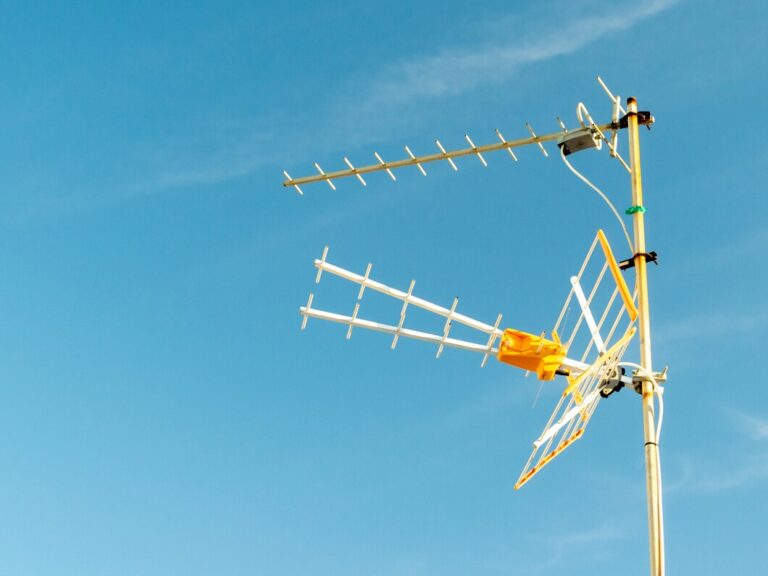
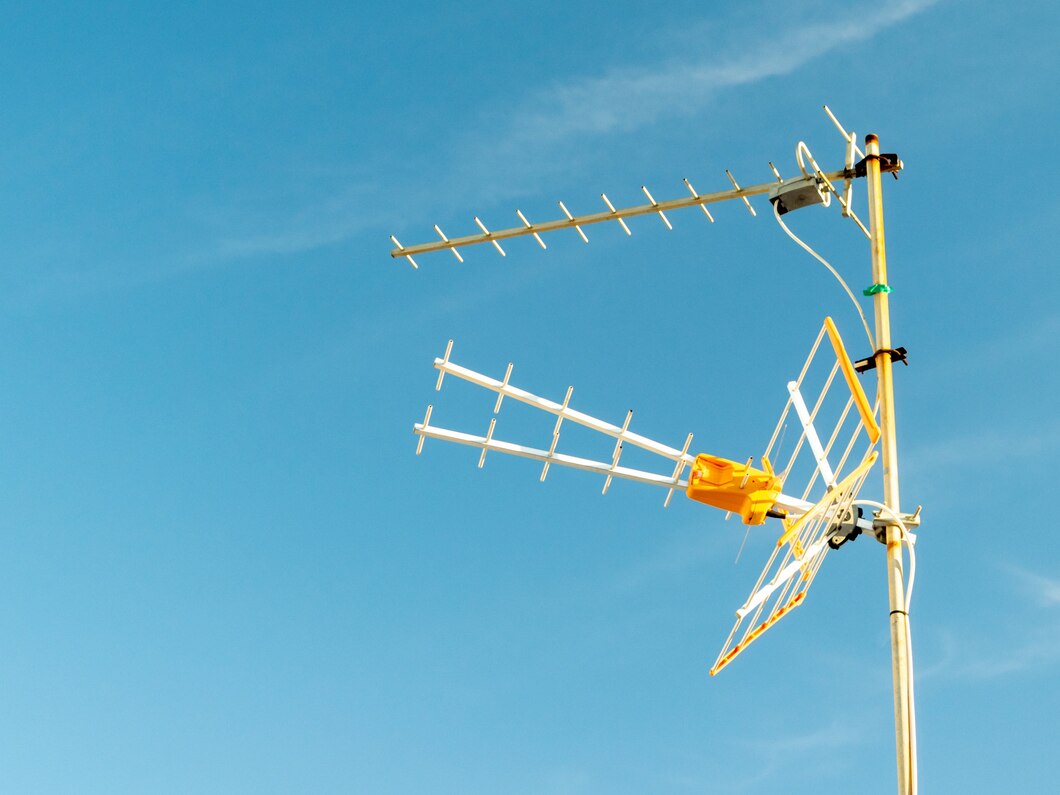
- Directional antennas
- Precise frequency tuning
By aligning their equipment with the same frequency as a broadcast link and transmitting a stronger signal, they could effectively “hijack” the feed.
This method is often referred to as line-of-sight hacking, a technique that required both technical expertise and physical proximity.
The Captain Midnight HBO Hack (1986)
The First Major Signal Hijacking
On April 27, 1986, viewers of HBO experienced something strange. Instead of their movie, they saw a message:
“GOODEVENING HBO
FROM CAPTAIN MIDNIGHT
12.95/MONTH? NO WAY!”
This was the work of John R. MacDougall, a satellite dish dealer frustrated with HBO’s rising subscription fees.
How the Hack Worked
Unlike local microwave intrusions, this was a satellite uplink hack.
MacDougall:
- Used a satellite dish
- Targeted HBO’s satellite
- Transmitted a stronger signal than HBO’s uplink
Because satellite systems accepted the strongest signal, his message replaced HBO’s broadcast across the country.
Why It Mattered
The Captain Midnight HBO hack was significant because:
- It exposed vulnerabilities in satellite broadcasting
- It demonstrated that individuals could override national networks
- It forced the government to introduce stricter regulations
MacDougall was eventually caught and fined, making this one of the few solved cases.
The Max Headroom Incident (1987)
The Most Bizarre Broadcast Hack Ever
If Captain Midnight was a protest, the Max Headroom incident was pure chaos.
On November 22, 1987, two television stations in Chicago were taken over by unauthorized broadcasts:
- WGN-TV
- WTTW (PBS affiliate)
Viewers saw a masked figure wearing a rubber mask resembling Max Headroom, a popular digital character of the time.
What Happened on Screen?
The broadcast featured:
- A person in a Max Headroom mask
- Distorted audio and cryptic phrases
- Random references to pop culture
- A bizarre and unsettling tone
The second intrusion lasted over a minute and included even stranger content, including physical antics and nonsensical dialogue.
The Mystery That Remains Unsolved
Unlike the Captain Midnight case, the Max Headroom incident was never solved.
Despite investigations by the Federal Communications Commission and the FBI, the perpetrators were never identified.
How the Max Headroom Hack Worked
Targeting Microwave Relay Links
The hackers likely used:
- A high-powered transmitter
- A directional antenna
- Knowledge of broadcast frequencies
They targeted the microwave relay link between the studio and transmitter.
By overpowering this link, they replaced the live feed with their own signal.
Why It Was So Difficult
This hack required:
- Technical expertise
- Access to expensive equipment
- Precise positioning
The attackers had to be physically close to the relay path, making it a risky operation.
The Cyberpunk Connection
The 1980s were the birth of cyberpunk—a genre blending technology, rebellion, and dystopian themes.
The Max Headroom incident felt like it came straight out of a cyberpunk story:
- Anonymous hackers
- Media manipulation
- Surreal messaging
- Anti-establishment undertones
It blurred the line between reality and fiction, turning a real-world hack into cultural mythology.
Why These Hacks Fascinated the Public
1. The Mystery
The unsolved nature of the Max Headroom case fuels endless speculation.
2. The Fear Factor
Viewers realized that their trusted media could be hijacked.
3. The Creativity
Unlike modern hacks, these intrusions were theatrical and artistic.
Other Notable Signal Intrusions
While the Max Headroom and Captain Midnight cases are the most famous, they weren’t the only ones.
The Vrillon Broadcast (1977)
A UK television signal was interrupted by a voice claiming to be an extraterrestrial entity.
Southern Television Interruption
This event added to the mystique of signal intrusion as a global phenomenon.
The Evolution of Broadcast Security
After these incidents, major changes were implemented:
- Signal encryption
- Authentication protocols
- Monitoring systems
Modern digital broadcasting is far more secure, making such hacks nearly impossible today.
Technology and Vulnerability
These incidents reveal an important truth:
Every technological system has vulnerabilities.
In the 1980s, it was microwave links and satellite uplinks. Today, it’s digital networks and cybersecurity threats.
The Psychology Behind Signal Intrusions
Why would someone do this?
Possible motivations include:
- Protest (Captain Midnight)
- Artistic expression
- Desire for notoriety
- Experimentation
The Max Headroom hackers, in particular, seemed driven by performance rather than profit.
The Role of Media and Myth
Over time, these events have become part of internet folklore.
The Max Headroom incident is often discussed in:
- Conspiracy theories
- Online forums
- Documentary films
Its ambiguity allows endless interpretation.
Could It Happen Today?
Technically, modern systems are far more secure. However:
- Digital hacking is more common
- Cyberattacks can disrupt media
- Deepfake technology introduces new risks
While analog signal hijacking is rare, the concept of media manipulation is more relevant than ever.
Lessons from the Broadcast Intrusion Era
1. Technology Is Never Fully Secure
2. Creativity Drives Innovation—Even in Hacking
3. Media Trust Can Be Fragile
These lessons continue to apply in today’s digital world.
The Enduring Legacy of the Max Headroom Incident
The Max Headroom incident remains one of the most fascinating unsolved mysteries in media history.
It represents:
- The peak of analog hacking
- A blend of art and disruption
- A puzzle that still captivates investigators
Conclusion: When Hackers Became Legends
The era of broadcast signal intrusion was short-lived but unforgettable. From the politically charged Captain Midnight HBO hack to the surreal chaos of the Max Headroom incident, these events showed what was possible when technical skill met imagination.
They were more than hacks—they were performances, protests, and puzzles wrapped into one.
In a time before the internet, hackers didn’t just break into systems—they hijacked reality itself.
And in the case of the Max Headroom incident, the mystery still lingers, waiting for someone to finally uncover the truth.
About the Author