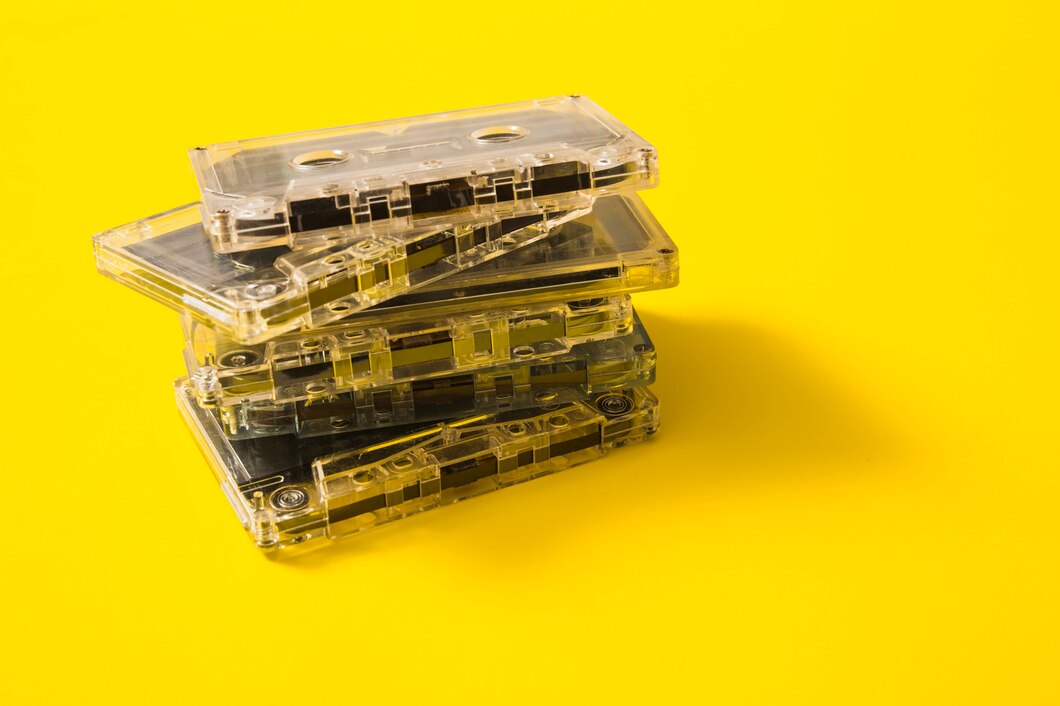
Music has always been more than just sound; it is a reflection of culture, memories, and personal expression. To truly understand how people connected with music in the late 20th century, one cannot overlook the history of cassette tapes. Introduced in the 1960s, cassette tapes revolutionized the way people consumed, shared, and preserved music. Unlike bulky vinyl records, cassettes were compact, portable, and recordable, making them the perfect tool for creating personalized playlists and sharing favorite tracks. This innovation laid the groundwork for a culture of mixtapes, which would eventually become emblematic of personal and collective nostalgia for generations.
The Rise of the Cassette Tape
The cassette tape was first developed by the Philips company in 1963, aiming to provide an easy-to-use medium for music lovers. Early cassette players were primarily used for dictation, but soon, music companies recognized their potential as a portable music format. The compact size of cassettes allowed listeners to enjoy music on the go, particularly with the rise of portable cassette players like the Walkman in the late 1970s and early 1980s.
The cassette tape’s accessibility also made it a household item. Unlike vinyl records, which required careful handling, cassettes could be easily carried in pockets or bags without fear of damage. This portability gave rise to a new way of experiencing music—personal, intimate, and mobile. Families could enjoy albums together, commuters could listen on their way to work, and teenagers could create mixtapes for friends and loved ones.
The Cultural Impact of Mixtapes
Perhaps the most defining cultural impact of cassette tapes was the emergence of the mixtape. Mixtapes were more than just collections of songs—they were expressions of personality, emotion, and social connection. Friends would swap tapes to share their favorite tracks, romantic partners would craft love-themed mixtapes, and aspiring DJs and musicians used them to experiment with new sounds.
The nostalgia surrounding mixtapes stems from this very personal connection. A mixtape wasn’t simply about listening to music—it was a memory, a message, and a story captured on magnetic tape. The art of curating the perfect sequence of songs, annotating tracklists by hand, and even decorating tape covers added a tactile, intimate dimension that digital music struggles to replicate.
Cassette Tapes in the 1980s and 1990s
The 1980s and 1990s were the golden era of cassette tapes. During this period, cassette tapes dominated the music market, outselling vinyl records in many countries. Popular culture embraced the cassette as an essential part of everyday life. The iconic Walkman, launched by Sony in 1979, became a symbol of personal freedom and musical independence, allowing users to carry entire albums in their pockets and enjoy music privately in public spaces.
This era also saw the democratization of music sharing. Unlike previous decades, when music ownership was limited to purchased records or live performances, cassettes allowed anyone to record, duplicate, and share songs. This led to the phenomenon of home-recorded mixtapes, which became cultural artifacts in their own right. Many teenagers in the 1980s and 1990s fondly remember spending hours recording from the radio or other tapes, carefully timing the start and stop buttons to capture songs perfectly—a process that fostered patience, attention to detail, and creativity.
Evolution of Music Formats: Cassette to Digital
The cassette tape was not the beginning or the end of music format evolution, but it played a crucial transitional role. Before cassettes, vinyl records were the standard medium, prized for their rich sound quality but limited by their size and fragility. The cassette’s portability and recordability made it a revolutionary alternative. However, as technology advanced, compact discs (CDs) and eventually digital formats like MP3s began to dominate.
Despite these technological shifts, cassette tapes maintained a devoted following. Enthusiasts appreciated the analog warmth of tape recordings, the tactile engagement of handling tapes, and the ritualistic nature of creating mixtapes. Even today, the resurgence of cassette tape collecting among retro music fans and audiophiles highlights the enduring appeal of this format.
Personal Stories of Mixtapes
Mixtapes were highly personal artifacts that carried meaning beyond the music itself. Many people recall the excitement of receiving a mixtape from a friend or crush, carefully curated to express feelings that words alone could not convey. A song sequence could narrate a story, convey emotions, or capture a moment in time.
For instance, one individual might recall a summer spent listening to a mixtape of indie rock hits with friends, while another might cherish a tape gifted during a first love, each song evoking memories decades later. These tapes often contained handwritten notes or doodles, adding layers of personal significance. Such experiences highlight why cassette tapes are more than obsolete media—they are vessels of nostalgia, emotion, and shared human experience.
Collecting Vintage Cassette Tapes
The nostalgia for cassette tapes has fueled a modern revival in vintage tape collecting. Collectors searching for rare or classic releases can now turn to record stores, online marketplaces, and specialty retro shops. Collectors often focus on limited editions, rare recordings, or tapes with unique cover art. This hobby combines music appreciation with history, allowing enthusiasts to explore the evolution of music and recording technology firsthand.
Collectors also value the physicality of cassettes. Unlike digital files, which can be duplicated endlessly, each tape is a unique object. Even minor imperfections—scratches, worn labels, or slightly warped cases—add character and authenticity. Many collectors proudly display their cassette libraries, treating them as both cultural artifacts and aesthetic objects.
How Mixtapes Shaped Music Culture
Mixtapes had a profound influence on music culture, shaping how people discovered, shared, and appreciated music. Before streaming algorithms, mixtapes were a primary method of music discovery, introducing listeners to new genres, artists, and songs they might not have encountered otherwise. This democratization of music sharing fostered diverse musical tastes and encouraged experimentation.
Moreover, mixtapes influenced the music industry itself. Artists and record labels recognized the power of fan-created tapes in promoting new music. Some early hip-hop and electronic artists gained exposure through homemade mixtapes, which circulated in local communities and contributed to the rise of underground music scenes. The mixtape culture also laid the groundwork for contemporary playlist culture, where curated song lists continue to play a central role in music consumption.
Cassette Tapes vs Digital Music
The contrast between cassette tapes and digital music highlights the unique qualities of each format. Digital music offers convenience, instant access, and vast libraries at one’s fingertips, but it lacks the tactile, nostalgic, and personal aspects that made cassette tapes so meaningful. Analog tape requires active engagement—recording, rewinding, labeling, and arranging—which fosters a deeper emotional connection to the music.
Furthermore, the limitations of tape—such as finite storage, occasional audio hiss, and the inability to instantly skip tracks—encouraged listeners to engage more attentively with music. This contrasts sharply with today’s digital era, where skipping songs and passive listening are the norm. Many argue that cassette tapes promoted a more intentional and immersive listening experience.
The Nostalgia Factor
Nostalgia plays a significant role in the enduring appeal of cassette tapes. For those who grew up in the 1980s and 1990s, tapes evoke memories of adolescence, friendships, and first loves. They serve as time capsules, preserving the cultural and personal history of a generation. Even younger listeners, who did not experience the cassette era firsthand, are drawn to tapes for their retro charm, distinctive sound, and DIY aesthetic.
Nostalgia for cassette tapes has led to their resurgence in popular culture. Music festivals, indie bands, and retro-themed shops often feature cassettes alongside vinyl records and other vintage media. The tactile nature of cassettes, coupled with their warm analog sound, creates a sensory experience that digital formats cannot replicate.
Retro Music Collections and Revival
The revival of cassette tapes is closely tied to the broader trend of retro music collections. Vinyl, cassette, and even reel-to-reel formats have regained popularity among collectors and audiophiles. Limited-edition cassette releases, reissues of classic albums, and cassette-only recordings now appeal to both nostalgic listeners and new audiences seeking a unique experience.
This revival also connects to the broader cultural fascination with retro aesthetics. From fashion to gaming, the 1980s and 1990s are celebrated for their distinctive style and creativity. Cassette tapes, as emblematic artifacts of these decades, fit perfectly within this cultural resurgence, providing a tangible link to the past.
How Technology Preserved Mixtape Culture
While the physical cassette tape has largely been replaced by digital formats, the culture of mixtape-making persists in new forms. Digital playlists, curated streaming lists, and social media music sharing continue the tradition of personal curation. Apps like Spotify and Apple Music allow users to create “digital mixtapes,” share them with friends, and discover new music, echoing the principles of tape-based music sharing.
Interestingly, some digital platforms incorporate retro-inspired features, such as simulating tape hiss or album art covers, to evoke the nostalgic feel of cassette tapes. This blend of analog nostalgia and digital convenience demonstrates the lasting influence of mixtape culture on modern music consumption.
Personal Connection and Emotional Resonance
Ultimately, the story of cassette tapes is a story of human connection. Each tape carried memories, emotions, and personal stories. Whether it was a tape gifted to a friend, a self-recorded collection of favorite songs, or a carefully curated playlist for a romantic interest, cassette tapes transformed music into a deeply personal experience.
The emotional resonance of cassette tapes is why they continue to inspire collectors, musicians, and listeners decades after their peak popularity. They remind us that music is not just about sound—it is about memories, relationships, and shared experiences that shape who we are.
Conclusion
The journey from mixtapes to memories illustrates the profound impact of cassette tapes on music culture. From their early days in the 1960s to their heyday in the 1980s and 1990s, cassettes reshaped the way people listened to, shared, and cherished music. They gave rise to mixtape culture, fostered personal connections, and left a lasting imprint on the evolution of music formats.
Today, cassette tapes are more than relics—they are symbols of nostalgia, creativity, and personal expression. As collectors hunt for vintage tapes, retro music lovers embrace their warmth, and digital platforms pay homage to their legacy, cassette tapes continue to remind us of the enduring power of music to create memories that last a lifetime.
About the Author