There was a time when computers didn’t just compute—they spoke through the unmistakable sounds of the hard drive. Not through speakers or screens, but through a language of clicks, whirs, hums, and grinding vibrations. Every action had a sound. Opening a file, saving a document, or launching a game—each task triggered a mechanical response from the hard drive deep within the machine, making technology feel alive and responsive.
Today, that language is gone.
Modern computers, powered by solid-state drives (SSDs), operate in near silence. They are faster, more efficient, and undeniably superior in performance. Yet, something intangible has been lost in the process. The comforting hum of a hard disk drive (HDD), once a constant companion, has vanished—replaced by an eerie quiet.
This shift has sparked an unexpected wave of nostalgia. Many users now look back fondly on those retro computer noises, remembering not just the sounds themselves but what they represented: activity, effort, and a kind of mechanical “thinking.”
This article explores the emotional, psychological, and cultural significance of HDD sounds, why we miss them, and what their disappearance tells us about our evolving relationship with technology.
The Mechanical Symphony of Early Computing
Understanding HDD Sounds
To appreciate why these sounds mattered, it’s important to understand where they came from.
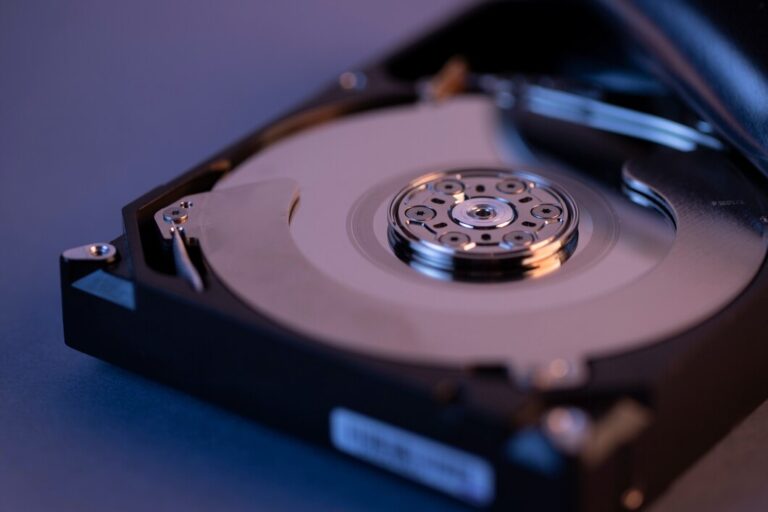
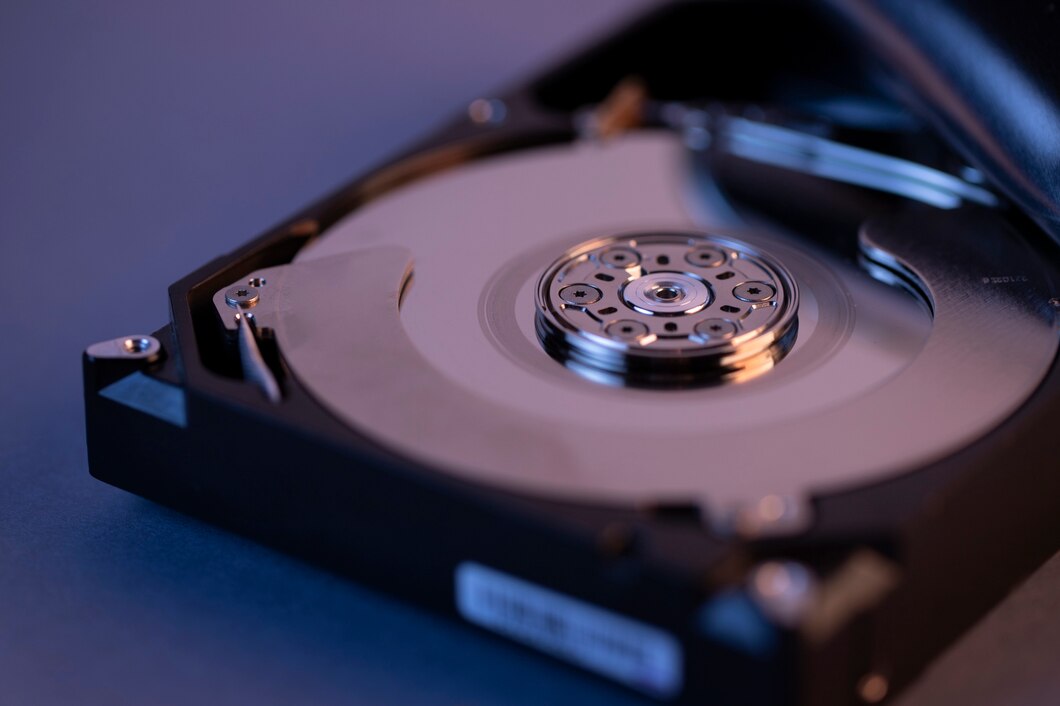
A traditional hard disk drive is a mechanical device. Inside it, spinning platters rotate at thousands of revolutions per minute, while a read/write head moves across their surface to access data. This physical movement produces sound—distinctive, rhythmic, and often unpredictable.
Typical HDD sounds included:
- Whirring: The constant spinning of platters
- Clicking: The movement of the read/write head
- Grinding: Heavy data access or system strain
- Spinning up/down: Power transitions
Each of these sounds told a story. Together, they formed a kind of mechanical symphony—a background soundtrack to digital life.
More Than Noise: A Feedback System
In the early days of computing, these sounds weren’t just incidental. They served as an informal feedback system.
Before sleek progress bars and animated loading screens, users relied on auditory cues:
- A rapid clicking sound meant the system was busy
- A steady hum suggested normal operation
- Unusual grinding might indicate a problem
In a way, the HDD became a communicator—a bridge between human and machine.
The Emotional Connection to HDD Sounds
The Psychology of Sound and Perception
Humans are deeply wired to associate sound with activity. From the ticking of a clock to the hum of an engine, noise often signals that something is happening.
In computing, HDD sounds created a sense of reassurance:
- Audible activity = system is working
- Silence = uncertainty
This psychological association is why completely silent devices can sometimes feel unsettling. Without sound, users lose a layer of sensory confirmation.
The Comfort of Imperfection
Unlike modern SSDs, HDDs were imperfect. They made noise, generated heat, and sometimes slowed down. But these imperfections made them feel more tangible—more real.
The subtle irregularities in HDD sounds added character. No two drives sounded exactly the same. A well-used drive developed its own “voice,” shaped by wear and usage patterns.
This individuality created a personal connection between user and machine.
Retro Computer Noises and Nostalgia
The Soundtrack of a Generation
For many, HDD sounds are deeply tied to memory:
- Late-night gaming sessions
- School projects saved at the last minute
- The anticipation of a program loading
These experiences weren’t silent. They were accompanied by the unmistakable rhythm of a working hard drive.
Alongside HDD sounds, other retro computer noises contributed to the experience:
- Floppy drive whirs
- CD-ROM spinning sounds
- CRT monitor hums
Together, they formed a sensory ecosystem that defined early digital life.
Why Nostalgia Hits So Hard
Nostalgia is not just about remembering the past—it’s about reconnecting with emotions.
HDD sounds evoke:
- Anticipation: Waiting for something to load
- Curiosity: Wondering what the computer is doing
- Patience: Accepting slower processes
In contrast, modern computing is instant. While efficiency is a benefit, it removes the emotional buildup that once accompanied digital interactions.
The Rise of the Quiet PC Trend
From Noise to Silence
Over time, the tech industry began prioritizing silence. The quiet PC trend emerged as users demanded less noise, especially in professional and home environments.
SSDs played a major role in this shift:
- No moving parts
- No mechanical noise
- Faster data access
Combined with improved cooling systems and fanless designs, computers became nearly silent.
The Benefits of Silence
The advantages are undeniable:
- Reduced distractions
- Improved focus
- Better energy efficiency
- Increased reliability
In many ways, silent computing represents progress.
But at What Cost?
Despite these benefits, silence has its downsides:
- Lack of sensory feedback
- Reduced emotional engagement
- A feeling of detachment from the machine
Without sound, computers can feel less alive—more like passive tools than active participants.
The Idea of “The Death of the Hard Drive Purr”
What Was the “Purr”?
The term “hard drive purr” refers to the gentle, continuous hum of an HDD in operation. It wasn’t loud or intrusive—it was subtle, almost comforting.
This sound became synonymous with:
- Productivity
- Stability
- Background activity
It was the digital equivalent of a cat purring—a sign that everything was working as it should.
Why We Miss It
The disappearance of this purr represents more than just a technological change. It symbolizes a shift in how we interact with machines.
We miss it because it:
- Made computers feel responsive
- Provided reassurance during tasks
- Added a layer of sensory richness
In a silent world, that richness is gone.
Skeuomorphic Audio: Bringing Back the Feel
What Is Skeuomorphic Audio?
Skeuomorphism is a design concept where digital elements mimic real-world counterparts. While often associated with visuals, it can also apply to sound.
Skeuomorphic audio involves recreating familiar mechanical noises in digital environments.
Examples include:
- Keyboard typing sounds
- Camera shutter effects
- Artificial HDD noise simulations
Why It Matters
Reintroducing sound can enhance user experience by:
- Providing feedback
- Increasing immersion
- Evoking nostalgia
Some developers have experimented with adding subtle HDD-like sounds to modern systems—not because they’re necessary, but because they feel right.
The Role of Brands and Hardware Culture
Iconic Hard Drive Experiences
Certain brands and models became legendary for their distinctive sounds. For instance, drives from the early 2000s had recognizable acoustic signatures that tech enthusiasts could identify instantly.
These sounds became part of tech culture—shared, discussed, and even imitated.
Community and Memory
Online communities often reminisce about:
- The loud startup clicks of old drives
- The rhythmic chatter during heavy use
- The ominous “click of death”
These discussions highlight how deeply sound is tied to collective memory.
Comparing HDD and SSD Experiences
HDD: The Audible Machine
- Mechanical movement
- Rich sound profile
- Slower but expressive
SSD: The Silent Performer
- No moving parts
- Zero noise
- Faster and efficient
While SSDs win in performance, HDDs offered something intangible—a sense of presence.
The Philosophy of Audible Computing
Do Machines Need a Voice?
As technology becomes more advanced, it also becomes more invisible. Devices fade into the background, doing their work without drawing attention.
But should they?
Sound can:
- Humanize machines
- Create emotional connections
- Enhance usability
The absence of sound raises an interesting question: Are we losing something essential in the pursuit of perfection?
Designing for Human Experience
Balancing Efficiency and Emotion
Modern design often prioritizes efficiency. But human experience is not purely functional—it’s emotional.
Incorporating sound thoughtfully can:
- Improve user satisfaction
- Reduce uncertainty
- Make interactions more engaging
Future Possibilities
Imagine a future where users can customize their device’s “personality”:
- Choose a subtle HDD-like background hum
- Enable retro sound profiles
- Adjust audio feedback levels
This approach blends modern performance with nostalgic charm.
Why Silence Isn’t Always Golden
Silence can be powerful, but it can also feel empty.
In computing, complete silence removes:
- Anticipation
- Feedback
- Personality
While we don’t want to return to noisy, inefficient machines, there’s value in preserving some of the sensory richness that defined earlier eras.
The Cultural Impact of Losing HDD Sounds
From Physical to Abstract
The transition from HDD to SSD reflects a broader cultural shift:
- From physical interaction to abstraction
- From visible processes to invisible ones
As technology becomes more seamless, it also becomes less tangible.
What We Lose Along the Way
With this shift, we lose:
- Sensory engagement
- Mechanical transparency
- Emotional connection
HDD sounds were a reminder that something real was happening beneath the surface.
Recreating the Experience Today
Digital Nostalgia Tools
Some enthusiasts recreate HDD sounds through:
- Audio loops
- Custom software
- Hardware mods
These efforts highlight a desire to reconnect with the past.
Why It Matters
This isn’t just about nostalgia—it’s about preserving a piece of computing history.
Sound is part of that history.
Conclusion: The Echo of a Bygone Era
The death of the hard drive purr marks the end of an era—a time when computers were not just tools, but companions with their own voices.
While modern technology has brought incredible advancements, it has also introduced a kind of silence that feels unfamiliar.
We don’t necessarily want slower machines or mechanical inefficiencies back. But we do miss the feeling that came with them—the sense that our computers were alive, working, thinking.
In the quiet hum of today’s devices, there is a void where that connection once existed.
And sometimes, in that silence, we find ourselves longing for the gentle, reassuring sound of a hard drive at work—the sound of thinking itself.
About the Author