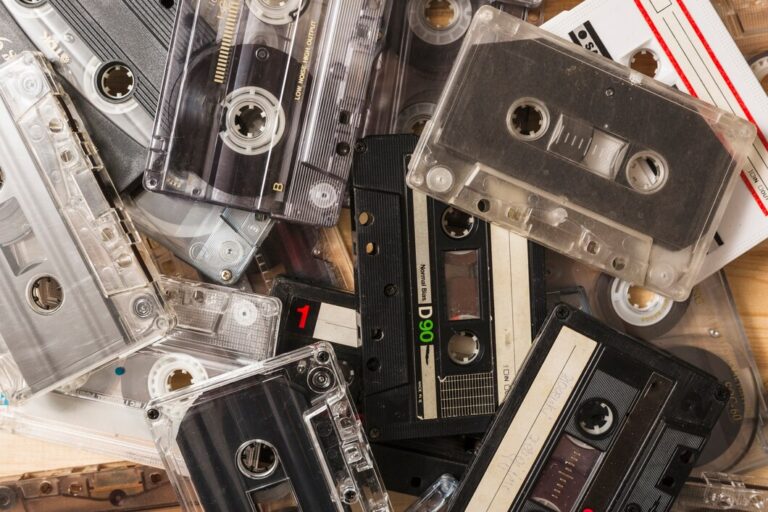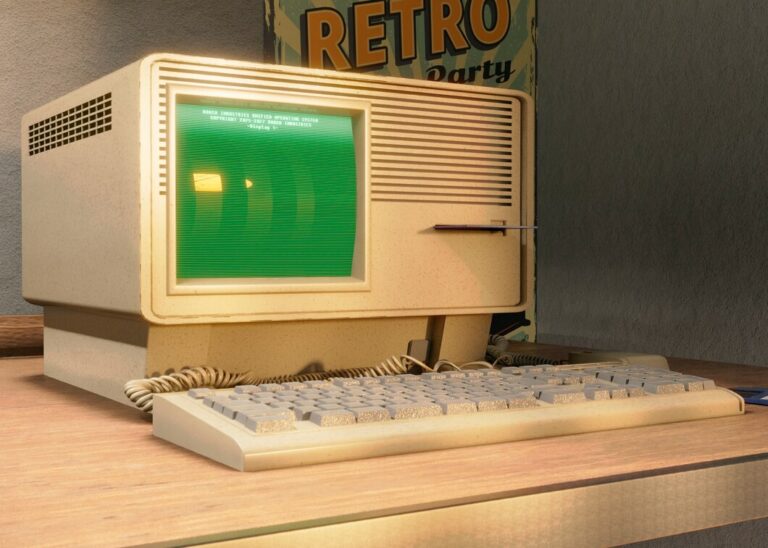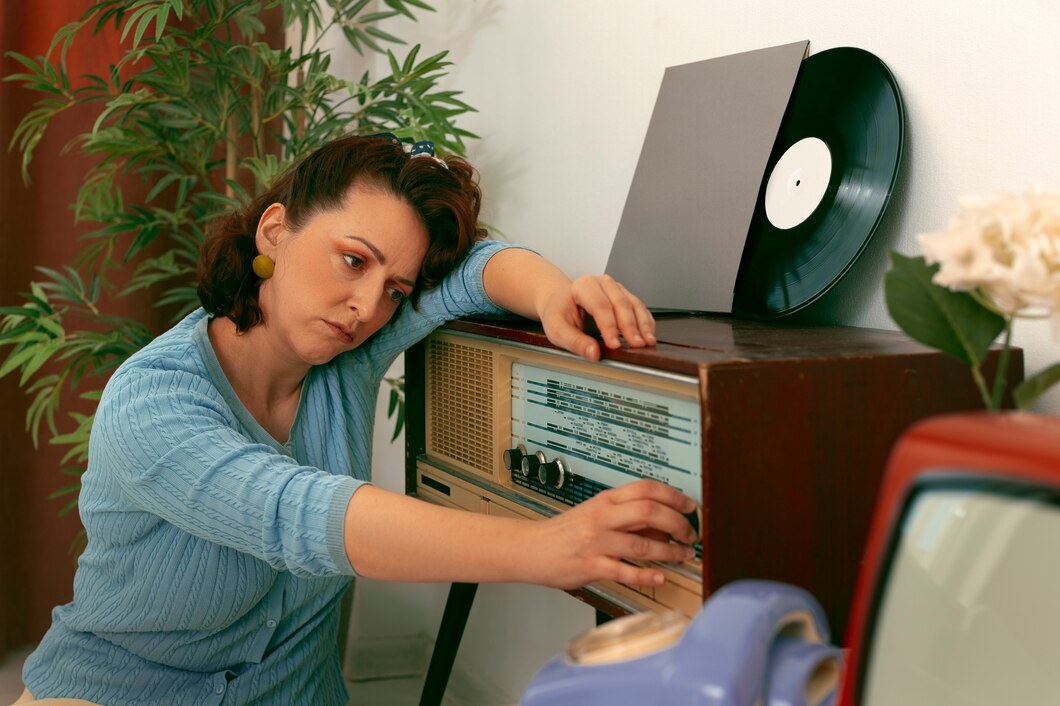
In an era dominated by streaming platforms, cloud libraries, and algorithm-driven playlists, retro CD players are quietly reclaiming their place in homes, studios, and personal listening spaces. Once dismissed as outdated relics of the past, CD players are now being rediscovered by music lovers seeking intentional listening, tactile media, and a deeper emotional connection to sound. This renewed interest signals more than just a passing trend—it reflects a broader cultural shift toward nostalgia, mindful technology use, and the appreciation of physical media in a hyper-digital world.
The story of CD players making a comeback is closely tied to changing consumer values, 90s music nostalgia, and a growing desire for a screen-free music experience. As vinyl enjoyed its revival and cassette tapes found niche audiences, compact discs—long overshadowed by streaming—are now enjoying their own resurgence.
The Rise, Fall, and Return of CD Players
A Brief History of CD Technology
Compact Discs were introduced in the early 1980s as a revolutionary alternative to vinyl records and cassette tapes. Offering cleaner sound, durability, and portability, CDs quickly became the dominant music format throughout the 1990s and early 2000s. During this period, classic CD players were considered essential household electronics, and owning a multi-disc changer or a premium hi-fi system was a mark of serious music appreciation.
However, with the rise of MP3s, iPods, and later streaming services, CDs rapidly fell out of favor. Digital convenience won, and physical collections were boxed away or discarded. By the mid-2010s, many assumed CD players were permanently obsolete.
Yet history has proven otherwise.
Why CD Players Are Making a Comeback
Nostalgia Meets Intentional Listening
One of the biggest drivers behind the retro CD players comeback is nostalgia. Millennials and Gen X listeners who grew up burning mixtapes and flipping through CD booklets are reconnecting with music as a tangible experience. At the same time, younger listeners—particularly Gen Z—are discovering CDs as part of a broader interest in retro tech comeback and vintage tech trends.
Unlike streaming, CDs encourage intentional listening. You choose an album, press play, and listen from start to finish—no notifications, no endless skipping. This aligns perfectly with the growing desire for mindful consumption and digital balance.
The Appeal of a Screen-Free Music Experience
In a world saturated with screens, many consumers are actively seeking alternatives that reduce digital fatigue. Old school CD players offer a refreshing break from smartphones, apps, and constant connectivity. There’s no scrolling, no ads, and no algorithms—just music.
This screen-free music experience is especially appealing to people practicing digital detox habits, families limiting screen time, and audiophiles who value focus and presence while listening.
Sound Quality Still Matters
CDs vs Streaming Audio
Despite advances in streaming technology, CDs still deliver superior, uncompressed audio quality compared to most streaming platforms. Many listeners are rediscovering the clarity, depth, and consistency that CDs provide, especially when played through high-quality speakers or headphones.
For audiophiles, vintage CD players—particularly high-end models from the 1990s—are prized for their robust build quality and excellent digital-to-analog converters. These devices were engineered during a time when manufacturers prioritized longevity and sound fidelity over cost-cutting.
Rediscovering the Album Experience
Streaming often fragments music into singles and playlists, but CDs preserve the artist’s original vision. Listening to a full album in sequence fosters a deeper emotional connection and appreciation for storytelling, transitions, and thematic cohesion.
This return to album-centric listening is a key reason CD players in the digital age are gaining renewed relevance.
Retro Audio Devices as Design Statements
Aesthetic Value of Retro Tech
Beyond functionality, retro audio devices are being embraced as design elements. Sleek silver finishes, physical buttons, LED displays, and mechanical trays evoke a sense of craftsmanship that modern minimalist gadgets often lack.
Many contemporary manufacturers are releasing new CD players inspired by classic designs, blending vintage aesthetics with modern features like Bluetooth connectivity and USB outputs. These hybrid devices appeal to consumers who want the best of both worlds.
Interior Design and Lifestyle Appeal
Retro technology has become part of a broader lifestyle movement. From mid-century modern furnishings to mechanical clocks and classic film cameras, retro music technology blends naturally into thoughtfully styled homes that prioritize warmth, personality, and genuine character.
A CD player on a shelf—paired with a visible disc collection—signals personality and taste in a way that a hidden streaming app never can.
The Role of 90s Music Nostalgia
Emotional Connection to Physical Media
The 1990s were a defining era for music culture. Album art, liner notes, and physical ownership played a central role in how fans engaged with artists. Today, 90s music nostalgia is fueling renewed interest in CDs as artifacts of a more personal, less disposable music era.
For many listeners, holding a CD case triggers memories of road trips, bedroom stereos, and late-night listening sessions—experiences that streaming simply can’t replicate.
Artists and Labels Supporting Physical Formats
Interestingly, musicians and record labels are also contributing to the resurgence. Many artists now release albums on CD alongside vinyl and digital formats, recognizing the demand for physical media. Limited editions, signed copies, and deluxe packaging further increase the appeal.
This support from creators reinforces the legitimacy of CDs as more than just outdated tech.
Vintage CD Players vs Modern Retro-Inspired Models
True Vintage CD Players
Authentic vintage CD players from the 80s and 90s are highly sought after, especially models from renowned brands known for audio excellence. These machines are often heavier, more durable, and engineered for long-term use.
Collectors appreciate their analog-inspired sound, mechanical reliability, and historical significance within vintage tech trends.
New Models with Retro Influence
At the same time, modern manufacturers are producing new CD players designed to look and feel retro while incorporating modern convenience. Features may include:
- Bluetooth output
- USB playback
- Remote controls
- Compact designs for modern homes
These devices make retro CD players comeback accessible to a broader audience without requiring technical expertise.
CDs as Collectibles in the Retro Tech Comeback
Physical Ownership in a Digital World
As digital ownership becomes increasingly abstract, physical media offers certainty. You own a CD outright—no subscriptions, no disappearing catalogs. This sense of permanence resonates strongly with collectors and music enthusiasts.
As part of the wider retro tech comeback, CDs are being revalued not just as storage formats, but as cultural artifacts.
Affordability Compared to Vinyl
While vinyl prices continue to rise, CDs remain relatively affordable. This accessibility makes them an attractive entry point for people exploring classic CD players and physical music collections without significant investment.
Second-hand shops, thrift stores, and online resale platforms are attracting a new wave of younger shoppers eager to uncover rare records and nostalgia-driven treasures.
CD Players in the Digital Age: A Hybrid Future
Coexisting with Streaming
The comeback of CDs doesn’t mean streaming is going away. Instead, many listeners are adopting a hybrid approach—streaming for discovery and convenience, CDs for focused listening and favorite albums.
This balanced approach reflects evolving habits where technology serves different emotional and practical needs.
CDs and Digital Well-Being
As conversations around digital well-being grow louder, CDs represent a low-tech alternative that promotes presence and intentionality. Listening to music without notifications or multitasking aligns with mindfulness practices and mental wellness goals.
This is why CD players in the digital age are increasingly associated with lifestyle choices rather than technical limitations.
How Younger Generations Are Embracing Old School CD Players
Gen Z and Retro Curiosity
Contrary to assumptions, the revival of CDs isn’t limited to older generations. Many Gen Z listeners are actively exploring old school CD players as part of their interest in analog experiences.
For digital natives, CDs offer novelty, authenticity, and a break from constant connectivity. This curiosity mirrors similar trends seen with film photography and analog gaming.
Social Media and Vintage Tech Trends
Ironically, social media has helped fuel interest in offline technology. Aesthetic videos showcasing retro audio devices, CD collections, and listening setups have contributed to the mainstream visibility of the trend.
This blend of digital discovery and analog use underscores how vintage tech trends evolve rather than disappear.
Environmental and Sustainability Considerations
Longevity Over Disposability
Many older CD players were built to last decades, contrasting sharply with today’s disposable electronics. Repairing and reusing existing devices supports sustainability by reducing electronic waste.
Choosing classic CD players aligns with a growing movement toward conscious consumption and long-term value.
Physical Media vs Cloud Dependency
While streaming feels invisible, it relies heavily on data centers and continuous energy use. CDs, once manufactured, require no ongoing infrastructure to function. For some consumers, this makes physical media a surprisingly eco-conscious option.
The Emotional Power of Retro Music Technology
Music has always been deeply emotional, but the way we interact with it shapes our experience. Retro music technology slows us down, inviting us to listen actively rather than passively.
From loading a disc to reading liner notes, each step creates anticipation and engagement—qualities often lost in instant digital access.
What the Comeback of CD Players Says About Modern Culture
The resurgence of CDs reflects broader cultural shifts:
- A desire for authenticity
- Resistance to algorithm-controlled experiences
- Appreciation for craftsmanship and durability
- Interest in nostalgia as comfort
In this context, CD players making a comeback isn’t about rejecting progress—it’s about reclaiming balance.
Conclusion: Why Retro CD Players Still Matter
The return of CD players proves that technology doesn’t have to be new to be meaningful. In fact, the appeal of retro CD players lies precisely in their limitations—no screens, no endless choices, just music.
As part of the ongoing retro tech comeback, CDs offer something increasingly rare in the digital age: focus, ownership, and emotional depth. Whether driven by 90s music nostalgia, superior sound quality, or the desire for a screen-free music experience, listeners are rediscovering why physical media still matters.
In a world obsessed with what’s next, the revival of vintage CD players reminds us that sometimes, moving forward means pressing play on the past.
About the Author