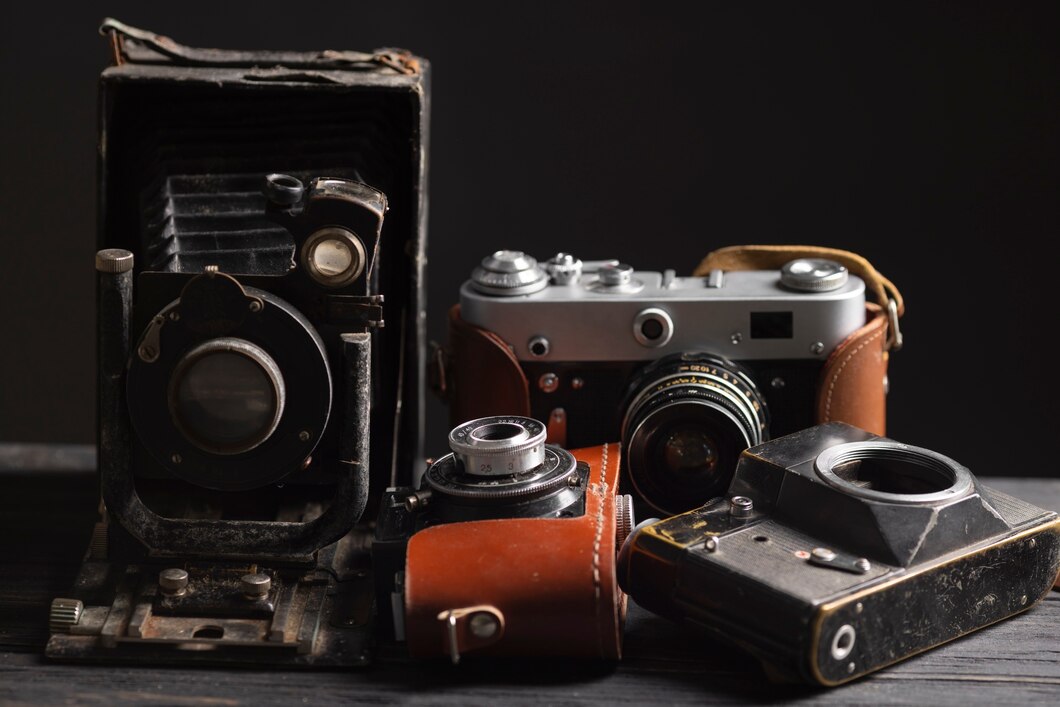
The beauty of a vintage or antique camera lies not only in its ability to capture images but also in the craftsmanship, history, and stories embedded in every component. Camera Restoration Services for Vintage and Antique Cameras play a vital role in preserving these mechanical and artistic masterpieces, ensuring they continue to function while retaining their historical authenticity. Whether it’s a century-old wooden bellows camera, a mid-century Leica, or a classic film SLR, professional restoration brings new life to old cameras while respecting their original design and value.
In this comprehensive guide, we explore the world of vintage camera restoration, the importance of skilled craftsmanship, the restoration process, and why professional services are essential for collectors, photographers, museums, and enthusiasts alike.
Understanding Vintage and Antique Cameras
What Defines a Vintage Camera?
A camera is generally considered vintage if it is:
- Over 20–30 years old
- Manufactured using older mechanical or early electronic systems
- No longer in mainstream production
Examples include 35mm film cameras from the 1950s–1980s, early Polaroids, and classic rangefinders.
What Makes a Camera Antique?
An antique camera is typically:
- Over 100 years old
- Constructed with early photographic technologies
- Often made of wood, brass, leather, and glass
Daguerreotype cameras, box cameras, and early folding cameras fall into this category, requiring specialized antique camera restoration expertise.
Why Camera Restoration Matters
Preserving History
Old cameras are historical artifacts that reflect the evolution of photography and industrial design. Classic camera restoration ensures these items are preserved for future generations.
Functional Value
Many photographers still shoot with film cameras for their unique character. Proper film camera restoration services allow these tools to remain usable and reliable.
Financial Value
Well-restored cameras often:
- Retain or increase market value
- Appeal to collectors and auction houses
- Command higher resale prices
Poor restoration, however, can permanently damage value—making professional camera restoration essential.
The Difference Between Repair and Restoration
Camera Repair
Camera repair focuses on:
- Fixing specific mechanical or electronic issues
- Replacing broken parts
- Restoring basic functionality
Camera Restoration
Camera repair and restoration involve more than simple fixes, extending to:
- Disassembly and cleaning of all components
- Preservation of original materials
- Cosmetic refinishing with period-correct techniques
- Mechanical recalibration
Restoration aims to return the camera as close as possible to its original condition.
Types of Cameras Commonly Restored
1. Film SLR Cameras
- Shutter and mirror recalibration
- Light seal replacement
- Meter restoration
2. Rangefinder Cameras
- Viewfinder cleaning
- Lens alignment
- Shutter curtain repair
3. Folding Cameras
- Bellows repair or replacement
- Leather restoration
- Mechanical cleaning
4. Box and Antique Cameras
- Wood preservation
- Brass polishing
- Original glass maintenance
Each category requires specialized old camera restoration services.
The Vintage Camera Restoration Process
Step 1: Initial Assessment
A professional restoration begins with:
- Full inspection
- Mechanical testing
- Optical evaluation
- Authenticity verification
This determines feasibility and cost.
Step 2: Documentation
Before work begins:
- Original condition is documented
- Serial numbers are recorded
- Period-correct details are referenced
This step is critical for antique camera restoration accuracy.
Step 3: Disassembly
Careful disassembly involves:
- Hand tools only
- Labeling and cataloging parts
- Preventing stress on aged materials
Cleaning and Mechanical Restoration
Precision Cleaning
Decades of dust, oil, and corrosion are removed using:
- Ultrasonic cleaning
- Manual brushing
- Solvent-safe techniques
This restores smooth mechanical movement.
Shutter and Gear Repair
Common issues include:
- Sticky shutters
- Inconsistent shutter speeds
- Worn gears
Skilled vintage camera repair services recalibrate these mechanisms to factory standards.
Optical Restoration: Lenses and Viewfinders
Lens Cleaning and Repair
Lens restoration may involve:
- Fungus removal
- Haze reduction
- Element alignment
- Coating preservation
Original glass is preserved whenever possible to maintain authenticity.
Viewfinder and Rangefinder Calibration
Clear optics are essential for usability. Professionals realign mirrors and prisms to ensure accuracy.
Cosmetic Restoration Without Losing Character
Leather and Covering Restoration
Many cameras feature leather or leatherette coverings that deteriorate over time.
Restoration includes:
- Cleaning original coverings
- Replacing missing sections with period-correct materials
- Avoiding modern substitutes
Metal and Wood Finishes
Brass, aluminum, and wood components are treated using traditional techniques, avoiding over-polishing that can erase patina.
This balance defines true classic camera restoration.
Electrical and Meter Restoration
Later film cameras include:
- Light meters
- Electronic shutters
Restoration may involve:
- Rewiring with vintage-compatible materials
- Component-level repairs
- Voltage adaptation for modern batteries
This represents a specialized branch of film camera restoration services.
Replacement Parts: Original vs. Reproduction
Original Parts
Whenever possible, restorers source:
- Donor cameras
- Period-correct components
- Manufacturer-specific parts
Reproduction Parts
When originals are unavailable:
- Custom-machined replacements
- Hand-crafted components
- Faithful replicas
Transparency about part replacement is critical in professional camera restoration.
Who Needs Camera Restoration Services?
Camera Collectors
Collectors rely on antique camera repair specialists to preserve authenticity and value.
Photographers
Film photographers seek reliable, restored equipment for creative use.
Museums and Archives
Institutions require conservation-grade restoration that follows ethical preservation standards.
Heirs and Families
Restoration preserves sentimental value for inherited cameras.
Choosing Professional Camera Restoration Services
What to Look For
- Experience with specific camera brands
- Portfolio of past restorations
- Transparent pricing
- Preservation-first philosophy
Avoid general electronics repair shops for vintage equipment.
Why DIY Restoration Is Risky
While tempting, DIY restoration can:
- Cause irreversible damage
- Reduce historical value
- Lead to incorrect repairs
Expert old camera restoration services prevent costly mistakes.
Cost of Vintage and Antique Camera Restoration
Factors That Affect Cost
- Camera age and rarity
- Condition
- Parts availability
- Labor intensity
Typical Price Ranges
- Basic cleaning and calibration: Moderate
- Full mechanical restoration: Higher
- Rare antique restoration: Premium
Quality restoration is an investment, not an expense.
Restoration vs. Conservation
Restoration
- Aims to return functionality
- May include cosmetic improvements
Conservation
- Focuses on stabilizing condition
- Minimizes intervention
Museums often favor conservation, while collectors may prefer full camera repair and restoration.
Film Camera Restoration Services and Modern Use
Restored film cameras remain relevant today:
- Film photography resurgence
- Unique analog aesthetics
- Creative control
Proper restoration ensures compatibility with modern film stocks and accessories.
Common Issues Found in Old Cameras
- Dried lubricants
- Cracked bellows
- Fungal lens growth
- Corroded electrical contacts
- Warped shutters
Only experienced antique camera repair specialists can address these without causing further damage.
How Long Does Camera Restoration Take?
Typical Timelines
- Minor service: 1–2 weeks
- Full restoration: 4–12 weeks
- Rare antiques: Several months
Patience is essential for quality craftsmanship.
Preserving Restored Cameras
After restoration:
- Store in climate-controlled environments
- Avoid excessive humidity
- Use regularly to keep mechanisms active
- Handle with clean hands
Maintenance extends the life of restored equipment.
Ethical Restoration Practices
Professional restorers follow ethical guidelines:
- Preserve originality
- Avoid unnecessary replacement
- Document all changes
This integrity defines reputable professional camera restoration services.
The Emotional Value of Restored Cameras
Beyond mechanics, restoration reconnects owners with:
- Family history
- Artistic heritage
- Cultural identity
A restored camera often becomes a living artifact rather than a display object.
Future of Vintage Camera Restoration
With renewed interest in analog photography:
- Demand for skilled restorers is increasing
- Craft knowledge is being preserved
- New generations are discovering film
Vintage camera restoration is both a technical skill and an art form.
Final Thoughts: Preserving the Past Through Precision Craft
Cameras are more than tools—they are storytellers, witnesses to history, and symbols of human creativity. Investing in Camera Restoration Services for Vintage and Antique Cameras ensures these instruments continue to function, inspire, and endure. From meticulous mechanical repair to respectful cosmetic preservation, professional restoration honors both form and function.
Whether you are a collector safeguarding a rare artifact, a photographer reviving a trusted film companion, or a curator preserving history, expert camera repair and restoration services offer a bridge between the past and the present—keeping timeless craftsmanship alive, one camera at a time.
About the Author