Cassette Culture has made an unexpected yet powerful return in recent years, capturing the imagination of music lovers who crave something more tactile, personal, and meaningful than streaming playlists. In an era dominated by algorithms and instant access, cassette culture in the digital age represents a conscious shift toward slower, more intentional listening.
Rooted in cassette tape culture, this revival draws heavily from the history of cassette tapes, explores the deeper meaning of cassette culture, and reignites debates around cassette tapes vs digital music. For many, this resurgence is not just about sound—it is about identity, creativity, and a growing appreciation for retro music culture in a hyper-digital world.
What was once considered obsolete technology is now being rediscovered as a symbol of authenticity and artistic freedom. From underground music scenes to major artists releasing limited-edition tapes, cassettes are no longer relics of the past. Instead, they are cultural artifacts telling a story of rebellion against convenience, perfection, and disposability.
Understanding the Origins: A Brief History of Cassette Tapes
To fully appreciate cassette culture today, it is essential to understand the history of cassette tapes and how they transformed music consumption.
The Birth of the Compact Cassette
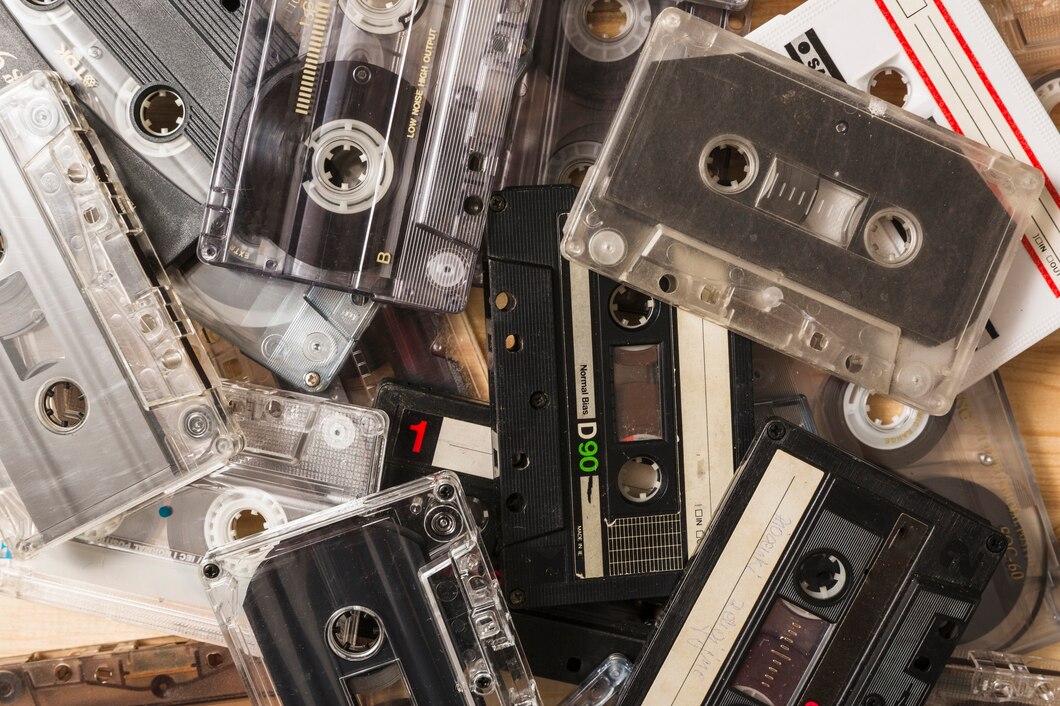
The compact cassette was introduced in 1963 by Philips as a convenient audio storage format. Originally intended for voice recording, it quickly gained popularity due to its portability, affordability, and ease of use. Unlike vinyl records, cassettes were durable and compact, making them ideal for everyday listening.
The Rise of Personal Music
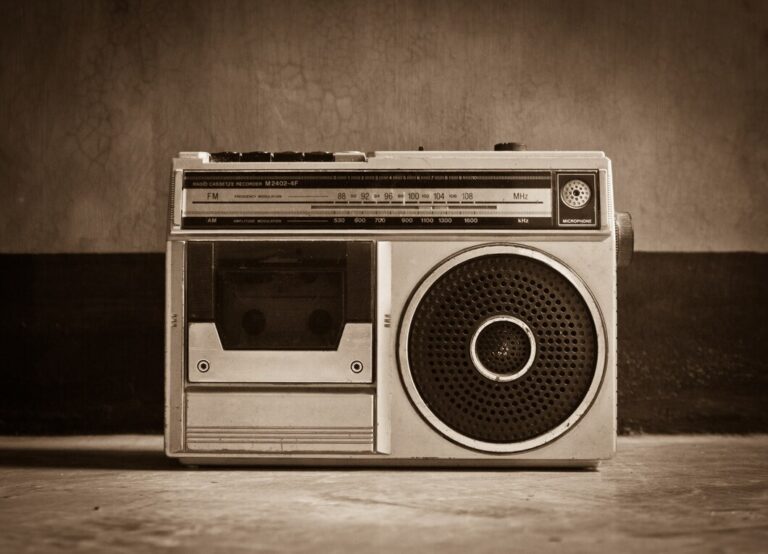
By the 1970s and 1980s, cassette tapes became a global phenomenon. The introduction of car stereos and portable players—most famously the Sony Walkman—revolutionized how people experienced music. For the first time, listeners could carry their favorite songs anywhere.
This era marked a turning point in cassette tape culture, as music became deeply personal rather than a shared household experience.
Mixtapes and Creative Expression
One of the most defining aspects of cassette culture was the mixtape. Carefully curated compilations recorded in real time allowed people to express emotions, tell stories, and build connections. Mixtapes were acts of love, friendship, and self-expression—something digital playlists often struggle to replicate.
Decline in the Digital Revolution
By the late 1990s and early 2000s, CDs and MP3s pushed cassettes into decline. Digital music promised cleaner sound, instant access, and endless storage. Cassette tapes were dismissed as outdated and inconvenient.
Yet, as history often shows, what disappears can later return with new meaning.
The Meaning of Cassette Culture Beyond the Technology
The meaning of cassette culture goes far beyond magnetic tape and plastic shells. At its core, it represents a mindset.
Imperfection as Authenticity
Cassettes are imperfect by nature. They hiss, warp, and degrade over time. But these imperfections are precisely what many listeners find appealing. Unlike digital music, which aims for flawless reproduction, cassette tapes capture warmth, texture, and humanity.
This embrace of imperfection aligns with a broader cultural shift toward authenticity in art and life.
Slowness in a Fast World
Listening to a cassette requires patience. You cannot instantly skip tracks or shuffle endlessly. You listen from beginning to end, engaging with music as a complete experience. This slower pace contrasts sharply with the speed of digital consumption.
In this way, cassette culture in the digital age becomes an act of resistance against constant distraction.
Ownership and Emotional Connection
Streaming platforms offer access but not ownership. Cassette tapes, on the other hand, are physical objects you can hold, gift, and preserve. Each tape carries memories—where it was bought, who recorded it, how it was shared.
This emotional depth is a defining part of retro music culture.
Cassette Tapes vs Digital Music: A Cultural Comparison
The debate over cassette tapes vs digital music is not just technical—it is cultural and emotional.
Convenience vs Connection
Digital music excels in convenience. Millions of songs are available instantly, anywhere, anytime. Cassette tapes demand effort: rewinding, flipping sides, caring for fragile media.
Yet, it is this effort that fosters deeper connection. Listening becomes intentional rather than passive.
Algorithm vs Human Curation
Streaming platforms rely on algorithms to recommend music. While efficient, this can feel impersonal. Cassette culture thrives on human curation—artists selecting track orders, fans creating mixtapes with purpose.
This human touch reinforces the meaning of cassette culture as a personal, expressive medium.
Disposable vs Durable Memories
Digital playlists can be deleted with a click. Cassette tapes age, fade, and carry history. They become artifacts, not just files.
For many listeners, this distinction makes cassettes more meaningful despite their limitations.
The Role of Cassette Culture in Underground Music Scenes
The revival of cassette culture did not start with mainstream artists—it began underground.
DIY Ethics and Independent Artists
Independent musicians embraced cassettes as an affordable way to release music. Producing tapes is far cheaper than vinyl, making them ideal for experimental and niche genres.
Cassette tape culture supports the DIY ethos, empowering artists to bypass major labels and connect directly with fans.
Physical Media as Artistic Statement
For underground scenes, releasing music on cassette is often a deliberate artistic choice. The format aligns with lo-fi aesthetics, raw sound, and countercultural identity.
This approach reinforces cassette culture in the digital age as a creative rebellion.
Why Cassette Culture Is Making a Comeback
The resurgence of cassette culture is not accidental. Several cultural forces are driving its return.
Digital Fatigue and Nostalgia
Many people feel overwhelmed by screens, notifications, and endless content. Cassette tapes offer relief through simplicity and focus.
Nostalgia also plays a major role. Younger generations romanticize the analog past, while older listeners reconnect with formative experiences.
This shared longing fuels the growth of retro music culture.
Tangibility in an Intangible World
As more of life moves online, physical objects gain emotional value. Cassette tapes provide a tangible connection to music—something streaming cannot replicate.
Limited Editions and Collectibility
Artists and labels release limited cassette runs, increasing their appeal as collectibles. Owning a rare tape feels special in a world of unlimited digital access.
Cassette Culture and Modern Artists
Interestingly, cassette culture is no longer limited to niche communities.
Mainstream Artists Embracing Cassettes
Many well-known musicians now release albums on cassette alongside vinyl and digital formats. This move acknowledges fans who value physical media and retro aesthetics.
Merchandising and Branding
Cassette tapes have become cultural symbols used in branding, fashion, and visual art. Their aesthetic appeal reinforces their place in modern culture.
How Cassette Culture Influences Listening Habits Today
The return of cassettes has subtly changed how people engage with music.
Intentional Listening
Cassette listeners often sit down and listen actively rather than multitasking. This intentionality enhances emotional connection.
Album-Oriented Experience
Unlike playlists, cassettes encourage listening to albums as cohesive works. This approach honors the artist’s vision.
Cassette Culture as Part of a Larger Retro Movement
Cassette culture does not exist in isolation. It is part of a broader retro music culture revival that includes vinyl records, film photography, and analog technology.
This movement reflects a desire for:
- Authentic experiences
- Slower consumption
- Deeper emotional connections
Cassettes symbolize all of these values.
The Future of Cassette Culture in the Digital Age
While cassette tapes are unlikely to replace digital music, their role as cultural artifacts is secure.
A Parallel, Not a Replacement
Cassette culture in the digital age exists alongside streaming, not in opposition to it. Many listeners enjoy both formats for different reasons.
Preserving Creativity and Meaning
As long as people value creativity, imperfection, and personal expression, cassette culture will continue to thrive.
Final Thoughts: Why Cassette Culture Still Matters
Cassette culture is more than a nostalgic trend—it is a statement about how we engage with music and technology. Rooted in the history of cassette tapes and enriched by modern reinterpretation, it highlights the enduring power of physical media.
In the debate of cassette tapes vs digital music, there is no clear winner. Each serves a purpose. But cassette culture reminds us that music is not just something to consume—it is something to experience, cherish, and remember.
In a fast, digital world, cassette culture offers something rare: presence, patience, and meaning.
About the Author