The debate around digital clock vs analog clock has existed ever since digital timepieces entered our homes, schools, offices, and devices. While both types of clocks serve the same fundamental purpose—telling time—their design, functionality, readability, accuracy, and usage differ in meaningful ways. Understanding the difference between digital and analog clocks is not just about technology; it’s about how humans perceive time, develop cognitive skills, and interact with their environment.
In this comprehensive guide, we’ll explore digital vs analog clocks explained simply, covering everything from basic definitions to practical comparisons, advantages, disadvantages, educational impact, technological evolution, and real-world use cases. Whether you’re a student, parent, teacher, designer, or simply curious, this in-depth analog clock vs digital clock comparison will help you decide which one suits your needs best.
What Is a Clock and Why Does It Matter?
Before diving into comparisons, it’s important to understand why clocks are essential. A clock is a device used to measure, keep, and display time. Humans have relied on timekeeping for centuries—for organizing work, managing routines, tracking events, and maintaining social order.
Over time, clocks have evolved from sundials and water clocks to mechanical analog clocks and modern digital clocks. Each evolution reflects technological progress and changing human needs.
What Is an Analog Clock?
To understand the digital clock and analog clock difference, we must first answer a fundamental question: what is an analog clock?
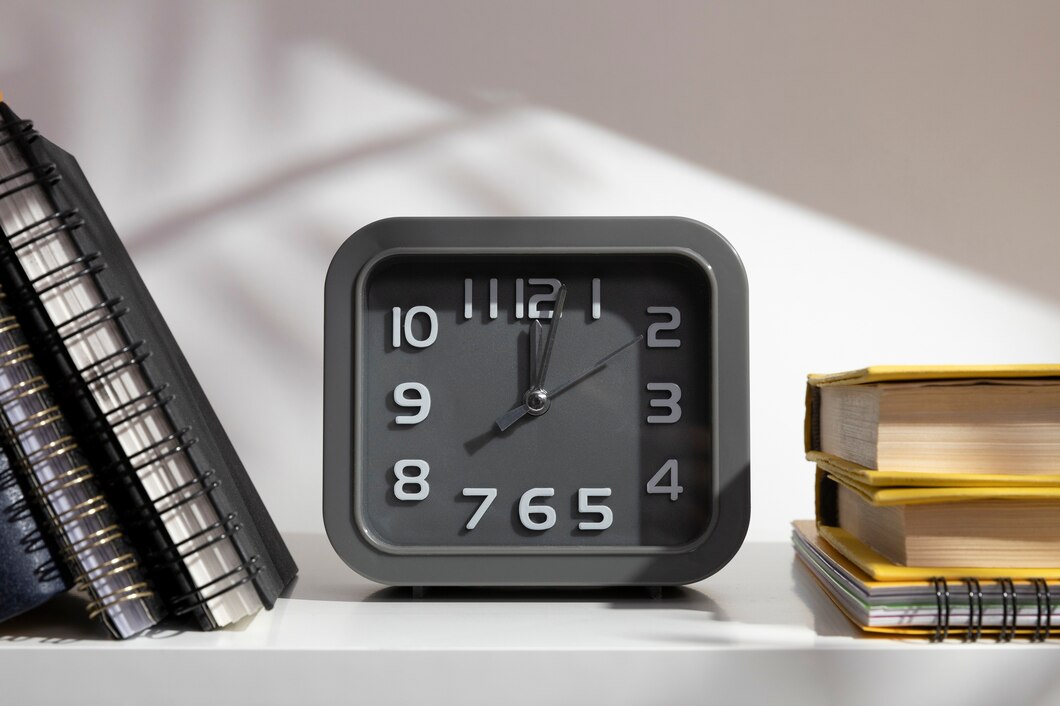
An analog clock is a traditional timekeeping device that displays time using a circular dial and moving hands. Typically, it has:
- A round clock face
- Numbers from 1 to 12
- An hour hand
- A minute hand
- Sometimes a second hand
The position of the hands represents the time visually. For example, when the minute hand points at 12 and the hour hand points at 3, the time is 3:00.
How Analog Clocks Work?
Analog clocks operate using mechanical or quartz movements:
- Mechanical analog clocks use gears and springs
- Quartz analog clocks use a battery and quartz crystal for accuracy
The continuous movement of the hands represents the passage of time, making analog clocks a visual representation of time flow.
What Is a Digital Clock?
Now let’s answer the next essential question: what is a digital clock?
A digital clock displays time in numerical form, usually using LED, LCD, or OLED screens. Instead of hands, it shows numbers such as:
- 07:45
- 18:30
- 12:00 AM
Digital clocks are commonly found on smartphones, computers, smartwatches, alarm clocks, microwaves, and electronic devices.
How Digital Clocks Work?
Digital clocks rely on electronic circuits and oscillators (usually quartz-based) to keep time. The time is processed electronically and displayed as digits.
Digital clocks often include extra features such as:
- Alarms
- Timers
- Stopwatches
- Date and day display
- Backlighting
Digital Clock vs Analog Clock: Core Differences at a Glance
Before diving deeper, here’s a simplified overview of the difference between digital and analog clocks:
| Feature | Analog Clock | Digital Clock |
| Time Display | Hands on a dial | Numbers on a screen |
| Readability | Requires interpretation | Instant reading |
| Time Flow | Continuous | Discrete (changes by minute/second) |
| Learning Value | Enhances time sense | Easier for beginners |
| Technology | Mechanical or quartz | Electronic |
| Power Source | Battery or winding | Battery or electricity |
Analog Clock vs Digital Clock Comparison: Detailed Analysis
Let’s explore each difference in detail to fully understand analog clocks vs digital clocks.
1. Time Representation and Perception
One of the biggest differences lies in how time is represented.
Analog Clocks
- Show time visually
- Allow users to “see” time passing
- This helps learners clearly understand time expressions such as “half past,” “quarter past,” and “quarter to,” making it easier to read and tell the time accurately.
Digital Clocks
- Show exact numerical time
- Focus on precision rather than visualization
- Do not visually represent time flow
This makes analog clocks better for developing time awareness, while digital clocks excel in precision.
2. Ease of Reading Time
Analog Clock
Reading an analog clock requires understanding:
- Hour hand position
- Minute hand position
- Relationship between numbers
This can be challenging for children and beginners.
Digital Clock
Digital clocks show time instantly in numbers, making them:
- Easy to read
- Ideal for all age groups
- Helpful in low-light conditions
In terms of simplicity, digital clocks clearly win. This is a key point in digital vs analog clocks explained simply.
3. Learning and Cognitive Development
One often overlooked aspect of the analog clock vs digital clock comparison is educational impact.
Analog Clocks and Learning
Analog clocks help children:
- Learn fractions
- Understand spatial relationships
- Develop mathematical reasoning
- Build time estimation skills
Educational experts often recommend analog clocks for early learning because they promote deeper cognitive understanding.
Digital Clocks and Learning
Digital clocks:
- Make time reading effortless
- Do not require interpretation
- May reduce critical thinking about time
This doesn’t mean digital clocks are bad—just that they serve a different purpose.
4. Accuracy and Precision
Analog Clocks
- Mechanical analog clocks may lose accuracy over time
- Quartz analog clocks are more precise but still slightly less accurate than digital clocks
Digital Clocks
- Extremely accurate
- Often synced electronically
- Ideal for environments where precise timing matters
In terms of pure accuracy, digital clocks outperform analog clocks.
5. Design and Aesthetics
Design plays a huge role in the popularity of analog clocks vs digital clocks.
Analog Clock Design
- Classic and timeless
- Decorative
- Used as wall art and interior décor
- Available in vintage, minimalist, luxury, and artistic styles
Digital Clock Design
- Modern and functional
- Often minimalist
- Limited decorative appeal
- Focused on utility rather than aesthetics
If design matters, analog clocks often stand out as style elements.
6. Features and Functionality
Analog Clocks
Usually limited to:
- Time display
- Sometimes date display
- Occasionally alarm function
Digital Clocks
Often include:
- Multiple alarms
- Countdown timers
- Stopwatches
- Temperature display
- Smart connectivity
This functional advantage is a major part of the digital clock and analog clock difference.
7. Power Source and Maintenance
Analog Clocks
- Mechanical versions need winding
- Battery-powered versions last long
- Low maintenance
Digital Clocks
- Require continuous power or frequent charging
- More electronic components
- Susceptible to power failure
Analog clocks are often more reliable in low-power environments.
8. Use in Education and Schools
Many schools intentionally use analog clocks in classrooms to help students develop time-reading skills.
- Analog clocks improve conceptual learning
- Digital clocks provide convenience
A balanced approach—teaching both—is often the best solution.
9. Use in Workplaces and Offices
In professional settings:
- Digital clocks are preferred for accuracy and synchronization
- Analog clocks are used for wall displays and meeting rooms
The difference between digital and analog clocks becomes situational rather than absolute.
10. Use in Daily Life
Analog Clocks in Daily Life
- Home décor
- Wristwatches
- Classrooms
- Traditional environments
Digital Clocks in Daily Life
- Smartphones
- Laptops
- Smart devices
- Alarm clocks
Most people interact with both daily, often without realizing it.
Advantages of Analog Clocks
Let’s summarize why analog clocks still matter:
- Improve time comprehension
- Enhance learning skills
- Visually represent time flow
- Aesthetic appeal
- Minimal distractions
- No screen fatigue
Advantages of Digital Clocks
Now let’s look at why digital clocks dominate modern life:
- Easy to read
- High accuracy
- Feature-rich
- Ideal for fast-paced environments
- Suitable for all ages
- Works well in darkness
Disadvantages of Analog Clocks
Despite their charm, analog clocks have limitations:
- Harder to read quickly
- Not ideal for precise timing
- Less functional
- Challenging for beginners
Disadvantages of Digital Clocks
Digital clocks also have downsides:
- Reduced understanding of time flow
- Over-dependence on screens
- Less decorative
- Can encourage passive time awareness
Digital vs Analog Clocks Explained Simply
If we had to explain the difference simply:
- Analog clocks show time visually
- Digital clocks show time numerically
Analog clocks help you understand time.
Digital clocks help you know time.
Which One Is Better: Digital or Analog?
There is no single winner in the digital clock vs analog clock debate. The better option depends on your needs:
Choose analog clocks if:
- You value learning and comprehension
- You want aesthetic appeal
- You’re teaching children
- You prefer traditional design
Choose digital clocks if:
- You need accuracy
- You want convenience
- You prefer modern technology
- You rely on alarms and timers
Why Both Clocks Still Exist Today
The continued use of analog clocks vs digital clocks proves that technology doesn’t always replace tradition—it often complements it.
Analog clocks represent human perception of time.
Digital clocks represent technological precision.
Both serve essential, yet different, roles in modern life.
The Future of Timekeeping
With smartwatches, AI assistants, and voice-activated devices, timekeeping continues to evolve. However, analog clocks remain relevant because they offer something technology cannot fully replace—a visual, intuitive understanding of time.
Digital clocks will continue to dominate functionality, while analog clocks will preserve meaning and tradition.
Final Thoughts
Understanding the difference between digital and analog clocks goes beyond just telling time. It’s about how we experience time itself.
- Analog clocks teach patience, rhythm, and awareness
- Digital clocks deliver speed, efficiency, and accuracy
Instead of choosing one over the other, embracing both gives us the best of tradition and technology.
In the end, the true value lies not in the clock—but in how we use our time.
About the Author