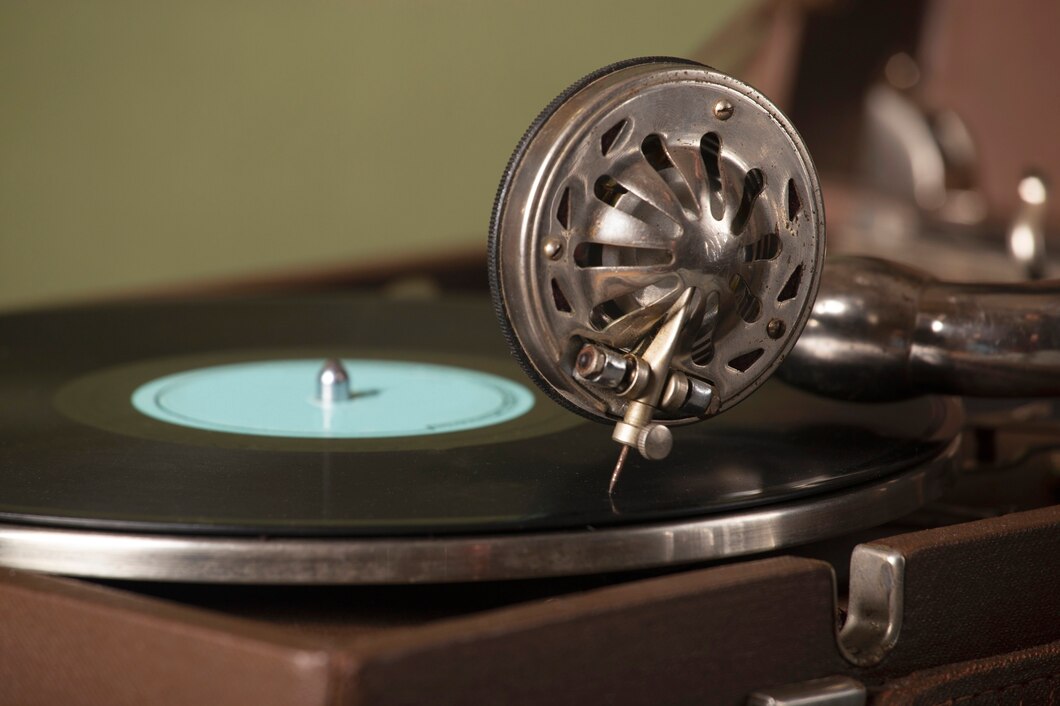
If you are passionate about music and nostalgic audio experiences, a vintage turntable is more than just a playback device—it’s a piece of history. Turntables from the 70s–90s have a charm and sound quality that modern digital equipment often struggles to replicate. Whether you’re a serious collector, a casual vinyl enthusiast, or someone looking to enjoy warm analog sound, knowing how to choose a vintage turntable from the 70s or any model from the following decades requires careful research, understanding, and attention to detail. This guide will help you navigate the world of vintage turntables 70s–90s, offering insights into functionality, aesthetics, maintenance, and collector value.
In this comprehensive guide, we will explore classic turntables for collectors, tips for buying retro record players, things to check when buying vintage turntables, and provide a complete vintage turntable buying guide for collectors.
Why Vintage Turntables Matter
Vinyl has made a powerful comeback, and with it, interest in vintage record players has surged. But why should someone invest in a turntable from decades past?
Unique Sound Quality
Turntables from the 70s, 80s, and 90s are known for their warm, rich analog sound, distinct from digital reproductions. The analog circuitry, tonearms, and cartridge designs create a sonic signature that modern devices often aim to emulate.
Retro Aesthetics
A retro turntable adds style to any room. Wood veneers, brushed metal, and classic designs offer timeless appeal.
Collectibility and Value
Some turntables appreciate over time. Well-preserved second-hand turntables from notable brands can be valuable collector items.
Build Quality
Many vintage models were built with durability in mind, featuring high-quality components that can last decades if maintained properly.
Key Decades in Vintage Turntables
Understanding the characteristics of each decade can guide your search for the perfect model.
1970s Turntables
- Focus on precision engineering
- Belt-drive and direct-drive systems emerged
- Popular brands: Technics, Pioneer, Dual
- Analog simplicity, mechanical reliability
1980s Turntables
- Introduction of quartz-lock systems for speed accuracy
- More plastic components but still durable
- Popular brands: Thorens, Rega, Sony
- A blend of analog warmth with early digital features
1990s Turntables
- Improved materials and electronics
- Quartz-controlled direct-drive systems became standard
- Some models included built-in preamps and digital outputs
- Popular brands: Denon, Yamaha, Technics
By understanding the era of manufacture, you can better anticipate performance, durability, and collector value.
Retro Turntable Buying Guide: What to Look For
Finding the best vintage turntable involves more than picking a model that looks nice. Here’s a retro turntable buying guide for collectors and enthusiasts alike.
1. Drive System: Belt vs Direct Drive
- Belt-drive turntables: Ideal for audiophiles; smoother playback, less motor noise
- Direct-drive turntables: Favored by DJs; faster start times, durable motors
Understanding the drive system helps determine which model fits your listening or collecting style.
2. Tonearm Type and Quality
The tonearm guides the needle across the vinyl grooves. Check:
- Material (aluminum, carbon fiber, or steel)
- Adjustable counterweight and anti-skate
- Presence of a tonearm lift
High-quality tonearms reduce wear on records and improve sound fidelity.
3. Cartridge and Stylus
- Many vintage turntables come with removable cartridges
- High-end turntables allow upgrades
- Check stylus condition; worn needles can damage records
Tips for Buying Retro Record Players
When purchasing a vintage turntable, especially second-hand turntables, certain precautions are essential.
Research Brands and Models
Some brands are more collectible and reliable:
- Technics SL series (70s–90s)
- Thorens TD series
- Pioneer PL series
- Rega Planar series
Inspect Physical Condition
- Check the platter, tonearm, and controls for damage
- Inspect wood veneers and metal parts for scratches or rust
- Ensure dust covers are intact
Test Functionality
- Verify platter rotation and speed accuracy
- Check tonearm movement
- Confirm audio output and phono preamp functionality
Ask About Service History
- Maintenance records indicate care and longevity
- Look for replaced belts, lubricated motors, or cleaned electronics
Things to Check When Buying Vintage Turntables
Here’s a checklist to guide your purchase:
- Motor Condition – Listen for humming, speed fluctuation, or vibration
- Platter Spin – Should be smooth without wobble
- Tonearm Balance – Ensure adjustable and free-moving
- Stylus Wear – Replace if worn to avoid record damage
- Cables and Connections – Original RCA or grounding wires
- Dust Cover – Protects against debris
- Cosmetic Condition – Check for scratches, chips, or discoloration
A careful check prevents costly repairs and ensures the turntable performs well.
The Collector’s Perspective: Classic Turntables for Collectors
Collectors often focus on rarity, brand prestige, and historical significance.
High-Value Collectible Models
- Technics SL-1200 (1972–1999): Iconic DJ and audiophile model
- Thorens TD 160/320: Renowned belt-drive audiophile turntables
- Pioneer PL-71/PL-12D: Affordable high-quality vintage models
- Rega Planar 3 (1980s): Legendary British design, high sound fidelity
Evaluating Collectibility
- Condition: Mint or near-mint is ideal
- Original Parts: Non-replaced components hold higher value
- Packaging: Original boxes, manuals, and accessories add value
Best Vintage Turntables from the 80s and 90s
The 80s and 90s blended retro aesthetics with modern features.
Notable 80s Models
- Denon DP-59L: High-end quartz-driven belt system
- Yamaha PX-2: Sleek design, excellent build
- Technics SL-1200MK2: DJ favorite, durable and precise
Notable 90s Models
- Denon DP-300F: Automatic features, reliable belt-drive
- Pioneer PL-990: Solid audio quality and durability
- Technics SL-1210 series: Upgraded direct-drive system
These models offer a balance of nostalgia, sound quality, and reliability.
Maintaining Vintage Record Players
Even the best turntable requires care.
Cleaning and Lubrication
- Clean tonearm, stylus, and platter regularly
- Use light lubricants on motor and bearing points
Replacing Belts and Parts
- Belts degrade over time—replacement is necessary
- Styli and cartridges may need upgrading
Environmental Care
- Avoid direct sunlight and humidity
- Store dust cover down when not in use
Proper maintenance prolongs the lifespan of vintage turntables 70s–90s.
Accessories for Vintage Turntables
To enhance your listening experience:
- Phono preamps: Boost analog signal for modern receivers
- Anti-static brushes: Reduce dust and static
- Record sleeves and storage: Preserve vinyl longevity
- Turntable mats: Improve sound clarity and reduce vibrations
Accessories complement retro audio equipment setups.
Budgeting for Vintage Turntables
Price varies widely:
- Entry-level models: $100–$300
- Mid-range: $300–$800
- High-end collector models: $800–$3000+
Factor in potential repairs or replacements when budgeting.
Where to Buy Vintage Turntables
Online Marketplaces
- eBay, Etsy, Reverb: Large selection, variable condition
Local Shops
- Hi-fi or vinyl stores often carry tested models
Collector Communities
- Forums and Facebook groups can help identify rare finds
Buying from reputable sources ensures authenticity and quality.
How to Choose a Vintage Turntable from the 70s: Step-by-Step
- Define Purpose: Listening vs. collecting
- Research Models: Focus on decade, brand, and features
- Inspect Physically: Check motor, tonearm, and stylus
- Test Playback: Listen for smooth operation and fidelity
- Verify Documentation: Manuals, original parts, and accessories
- Negotiate Price: Factor in repair and replacement costs
Following these steps guarantees a satisfying purchase.
Vintage Turntable Buying Guide for Collectors
To summarize, a vintage turntable buying guide for collectors includes:
- Understanding the decade and model features
- Checking mechanical and cosmetic condition
- Verifying authenticity and original components
- Evaluating maintenance history
- Considering brand prestige and market value
- Planning for upkeep, belts, and stylus replacement
Collectors appreciate that the experience of owning a turntable is as important as sound quality.
Final Thoughts: Enjoying the Retro Listening Experience
Choosing the right vintage turntable from the 70s–90s is an art and a science. From understanding classic turntables for collectors to assessing things to check when buying vintage turntables, this guide equips you to make informed decisions. Whether you want a functional record player, a centerpiece for your audio setup, or a rare collectible, following a structured approach ensures a satisfying purchase.
Investing in second-hand turntables, maintaining them properly, and pairing them with quality accessories will allow you to experience music the way it was meant to be heard—warm, authentic, and timeless. By combining research, careful inspection, and knowledge of retro audio equipment, you can enjoy decades-old technology with modern reliability.
About the Author