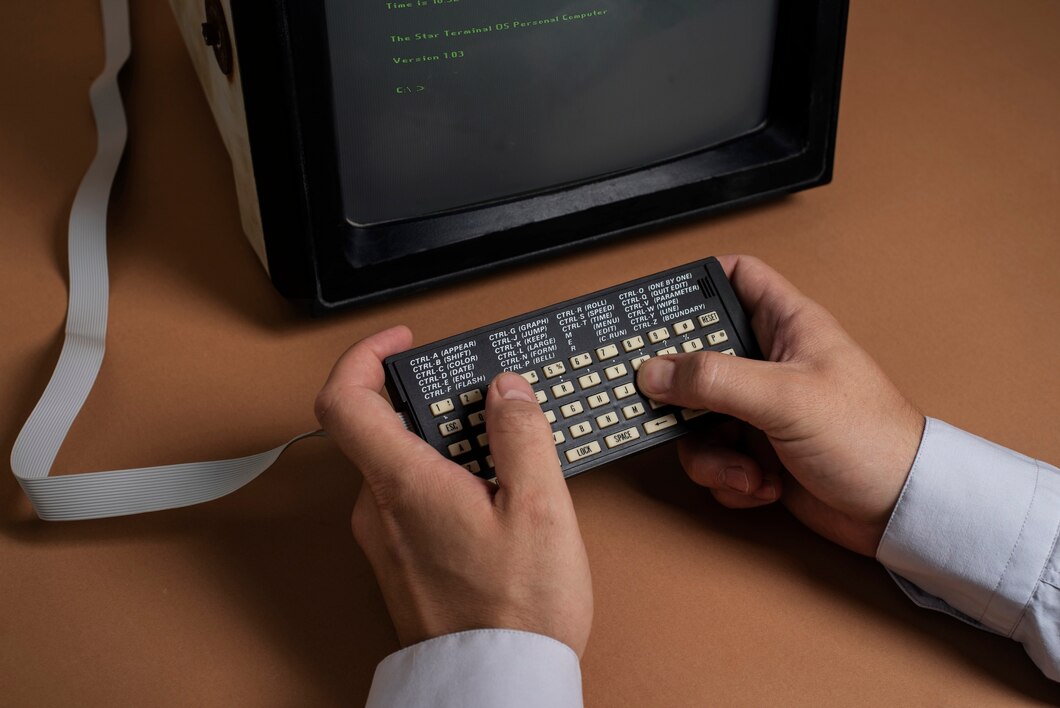
There was a time when pressing a button on a monitor didn’t just change a setting—it created an experience. The CRT monitor degaussing function is one of those forgotten pieces of technology history that blended physics, sound, and pure sensory satisfaction. The moment you pressed the button, the screen would shake, a deep “BWONG” sound would echo from the monitor, and the display would wobble for a second as if the entire device was resetting its soul.
This is not just nostalgia. It is rooted in real physics involving CRT degaussing, monitor coil systems, and magnetic field correction. The process was essential for maintaining image quality in cathode ray tube physics, yet it also became one of the most oddly satisfying interactions in retro technology history.
Today, modern LCD and LED screens no longer require this process, which means a tactile experience—once common in offices, schools, and homes—has completely disappeared. To understand why this simple button felt so satisfying, we need to dive into how CRT monitors worked, why magnetic interference mattered, and why that iconic sound and wobble left such a lasting impression.
What Is CRT Degaussing?
To understand CRT degaussing, we first need to understand what a CRT monitor actually is.
A cathode ray tube (CRT) display works by firing electrons from an electron gun at a phosphorescent screen. These electrons create the images we see. However, this process is extremely sensitive to external magnetic fields. Even small magnetic interference could distort colors, shift image alignment, or create patches of discoloration on the screen.
That is where degaussing comes in.
CRT degaussing is the process of removing unwanted magnetic fields from the metal shadow mask inside the CRT display. When magnetic interference builds up, it affects how electrons land on the screen, causing color distortion or blotches.
To fix this, monitors were equipped with a built-in monitor coil system, also called a degaussing coil. When activated—either automatically when the monitor turned on or manually via a button—it would generate a rapidly alternating magnetic field that neutralized residual magnetism.
This is not just a software reset. It is a physical electromagnetic event happening inside your screen.
The Physics Behind the “BWONG” Sound
One of the most memorable parts of the experience was the sound: a deep, resonant “BWONG” followed by a fading hum.
This sound was not artificially added. It was the direct result of electromagnetic forces interacting with physical components inside the CRT.
When the degaussing coil activated, a strong alternating current passed through it. This sudden surge created a rapidly changing magnetic field. The coil itself physically vibrated due to electromagnetic induction, producing a low-frequency sound wave.
At the same time:
- The metal components inside the CRT vibrated slightly
- The screen’s shadow mask resonated
- The internal casing amplified the sound
Together, these created the iconic retro tech sound that many users now associate with retro tech sounds and nostalgic computing experiences.
This was physics you could hear.
Why the Screen Wobbled
Along with the sound, users always noticed one thing: the screen would shake or ripple briefly.
This wobble occurred because the degaussing process temporarily disrupted the electron beam inside the CRT. When the magnetic field was neutralized, the beam alignment adjusted in real time. During this recalibration, the image appeared unstable.
This effect usually lasted only a few seconds, but it created a dramatic visual confirmation that something powerful was happening inside the monitor.
The wobble was essentially:
- Magnetic field correction in action
- Electron beam realignment
- Temporary disruption of phosphor excitation
It was a visible side effect of restoring order inside a chaotic electromagnetic environment.
Why CRT Monitors Needed Degaussing
Modern screens don’t require this process, but CRTs were highly vulnerable to magnetic interference.
Common causes of magnetization included:
- Speakers placed near monitors
- Power cables running too close
- Earth’s natural magnetic field
- Other electronic devices nearby
When magnetized, the CRT screen would show:
- Color patches (green, purple, or yellow tints)
- Distorted image geometry
- Uneven brightness
- Blurred edges
This is where CRT degaussing became essential for maintaining display quality.
Without it, the image would slowly degrade over time.
The Role of the Monitor Coil
Inside every CRT was a monitor coil designed specifically for degaussing.
This coil worked in a very clever way:
- It was placed around the front of the tube
- It received alternating current at startup
- It generated a decaying magnetic field
The key concept was gradual reduction. The coil didn’t just turn off after producing a field. Instead, the current slowly decreased, ensuring that residual magnetism was completely neutralized.
This process is what made CRT startup behavior so distinctive:
- Loud initial hum
- Vibrating screen
- Gradual stabilization
It was a carefully engineered electromagnetic reset.
Cathode Ray Tube Physics Explained Simply
To understand why degaussing was necessary, we need to look at cathode ray tube physics.
A CRT works by:
- Heating a cathode to release electrons
- Accelerating electrons through a vacuum tube
- Steering them using electromagnetic fields
- Striking a phosphorescent screen to create images
The precision of electron beam targeting is extremely sensitive. Even minor magnetic interference can alter the path of electrons, causing visible distortion.
This is why CRT technology required constant protection from environmental magnetism.
Unlike modern digital displays, CRTs were analog systems deeply tied to physics.
The Emotional Satisfaction of the Degauss Button
One of the most interesting aspects of CRT degaussing is not just the science, but the emotional response it triggered.
Pressing the degauss button created:
- Immediate sensory feedback
- Audible confirmation (“BWONG”)
- Visible transformation (screen wobble)
- Perceived “reset” of the display
This combination made it one of the most satisfying oddities in retro technology.
Modern UI systems often lack this level of physical feedback. Clicking a software button rarely produces a physical reaction beyond a sound effect. But CRT degaussing was different—it engaged multiple senses simultaneously.
It felt like fixing something real.
Why Modern LCDs Don’t Need Degaussing
Modern LCD and LED displays work completely differently.
Instead of firing electrons through a vacuum tube, LCDs use:
- Liquid crystals
- Backlighting systems
- Digital pixel control
Because there is no electron beam and no magnetic sensitivity, there is no need for degaussing.
That’s why the experience of pressing a degauss button has almost completely vanished today.
What we lost includes:
- Physical electromagnetic feedback
- Internal coil vibrations
- Screen wobble effects
- Audible “BWONG” sound
With digital displays, we gained clarity and efficiency—but lost tactile interaction.
Magnetic Fields and Display Distortion
The entire reason CRT degaussing existed is because of magnetic fields and their effect on electron beams.
Magnetic fields can:
- Bend electron paths
- Shift color alignment
- Disrupt phosphor excitation patterns
Even small magnets, like those in speakers, could permanently affect screen quality if left nearby.
The degaussing process essentially “scrambled” and reset these unwanted magnetic alignments until they canceled out.
It was like erasing invisible fingerprints from the screen’s surface.
The Science of the “BWONG” Sound
Let’s return to the iconic sound itself.
The BWONG was caused by:
- High inrush current through the coil
- Mechanical vibration of copper windings
- Resonance of plastic casing
- Magnetic forces acting on metal parts
This combination produced a deep, reverberating tone that felt almost musical.
Unlike digital audio, this sound was not synthesized. It was a byproduct of raw electromagnetic physics.
That is why it felt so unique—it was unintentional but powerful.
Retro Tech Sounds and Nostalgia
The sound of CRT degaussing has become part of broader fascination with retro tech sounds.
Other nostalgic sounds include:
- Dial-up internet connection tones
- Floppy disk drives
- Printer head movements
- Old hard drive clicks
But CRT degaussing stands out because it combined sound with physical motion and visual change.
It wasn’t just a noise—it was an event.
Why It Felt So Satisfying
The satisfaction of CRT degaussing can be explained through sensory psychology.
Humans find satisfaction in:
- Immediate feedback
- Resolution of a visible problem
- Multi-sensory stimulation
- Predictable outcomes
The degauss button delivered all of these:
- You pressed a button
- The screen reacted instantly
- The distortion disappeared
- A strong sound confirmed the action
It was a perfect feedback loop.
Satisfying Oddities in Technology
The degauss button belongs to a category of experiences often described as satisfying oddities in technology.
These include:
- Mechanical keyboard clicks
- VHS tape loading sounds
- Old camera shutter sounds
- CRT power-on effects
These interactions feel satisfying because they connect physical action with immediate sensory output.
Modern devices, while powerful, often abstract these processes into silent digital operations.
The Loss of Physical Feedback in Modern Tech
One of the biggest changes in modern computing is the loss of physical feedback.
With CRTs:
- You heard processes happening
- You saw physical changes
- You felt vibrations or delays
With modern LCDs:
- Everything is silent
- Everything is instant
- Everything is invisible
While efficiency has improved, the emotional connection to the device has weakened.
The CRT degauss button is a perfect example of this lost interaction.
CRT Degaussing in Everyday Use
Back when CRTs were common, degaussing was not rare. It was part of everyday computing life.
Users would:
- Press the button when colors looked off
- Trigger automatic degauss at startup
- Fix accidental magnetization from speakers
It was a routine maintenance action that required no technical knowledge but delivered visible improvement.
The Engineering Elegance of Degaussing
Despite its simplicity, CRT degaussing was an elegant engineering solution.
It used:
- Electromagnetic induction
- Decaying alternating current
- Controlled coil discharge
All of this was designed to solve a very real physical problem without requiring user expertise.
It is a great example of how analog engineering solutions often combined science and usability in clever ways.
How Degaussing Works Step by Step
A simplified breakdown of the process:
- User presses degauss button
- High current flows into monitor coil
- Strong alternating magnetic field is generated
- Field gradually decreases in strength
- Residual magnetism in CRT mask is neutralized
- Electron beam alignment stabilizes
- Screen returns to normal display
This entire process takes only a few seconds but involves complex electromagnetic interactions.
Why It Disappeared Completely
CRT technology was replaced by LCDs and LEDs for several reasons:
- Lower power consumption
- Thinner displays
- Higher resolution
- No flicker issues
- No magnetic sensitivity
With that transition, the need for degaussing disappeared entirely.
And with it, one of the most satisfying hardware interactions was lost.
The Cultural Legacy of CRT Degaussing
Even today, people who grew up with CRT monitors remember the experience vividly.
The combination of:
- Sound
- Motion
- Visual correction
created a sensory memory that modern technology rarely replicates.
It remains a symbol of early computing—when machines were physical, audible, and visibly alive.
Conclusion
The CRT monitor degaussing process is more than just a technical function—it is a perfect example of how physics, engineering, and human experience intersected in early computing.
The iconic “BWONG” sound, the temporary screen wobble, and the satisfying reset of magnetic distortion created a unique interaction that modern screens no longer provide. While today’s technology is faster, quieter, and more efficient, it has also become less tactile and less expressive.
Understanding CRT degaussing, monitor coil systems, and cathode ray tube physics gives us a deeper appreciation for how far display technology has evolved—and what we have lost along the way.
In the end, the degauss button wasn’t just fixing a screen. It was giving users a moment of physical, audible, and visual confirmation that something real was happening inside their machine.
About the Author