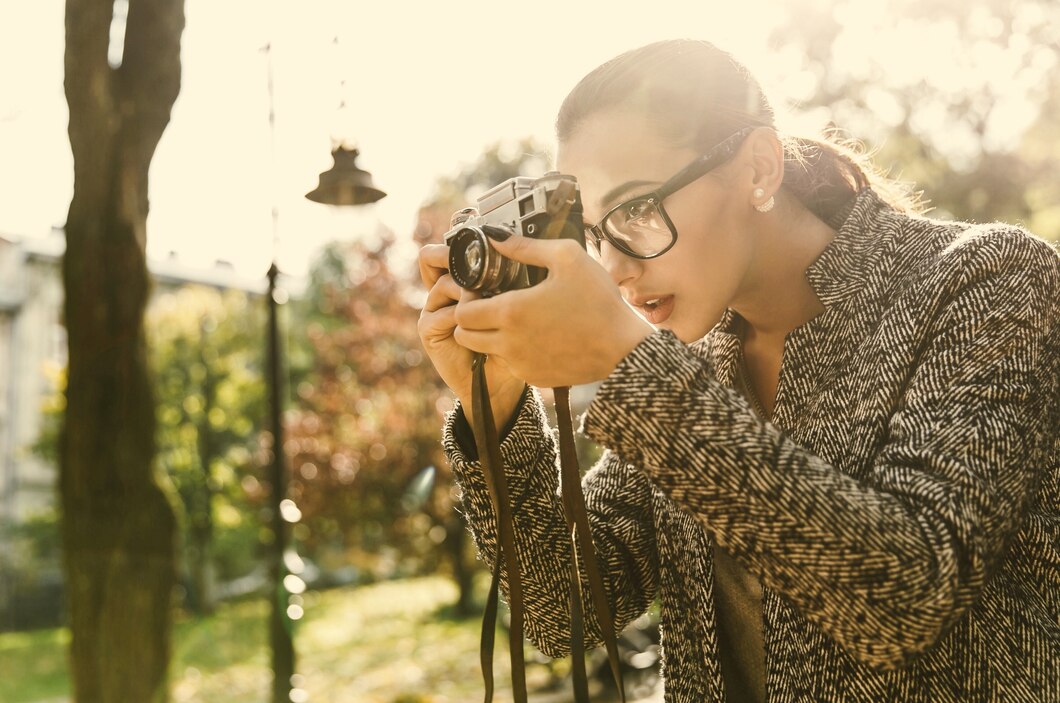
Film photography tips are more relevant today than ever, even in an era dominated by high-resolution sensors, instant previews, and AI-powered image processing. Film photography has experienced a powerful resurgence—not as a nostalgic gimmick, but as a meaningful creative practice. Photographers around the world are returning to film because it slows them down, sharpens their intent, and produces images with depth, imperfection, and emotional authenticity that are difficult to replicate digitally.
Film teaches patience. It rewards intention. It embraces unpredictability. Unlike digital photography, where hundreds of frames can be captured and discarded without consequence, film demands awareness, restraint, and trust in your craft. Each frame has weight, cost, and purpose. This guide is designed to help you understand not just how to shoot film, but how to think like a film photographer—so your images feel timeless, honest, and alive.
Whether you are new to film or returning after years of shooting digital, this comprehensive guide will walk you through the mindset, methods, and creative decisions that shape truly classic results.
Understanding the Philosophy Behind Film Photography
Why Film Feels Different
Film photography is not simply digital photography with grain added later. It is an entirely different medium with its own physical, chemical, and aesthetic properties. Light interacts with light-sensitive emulsion rather than a sensor, and this interaction produces subtle tonal transitions, organic grain structure, and highlight behavior that feels natural to the human eye.
Film does not chase technical perfection. It embraces nuance, softness, and character.
Intentionality Over Convenience
One of the defining aspects of shooting film photography is intentionality. You typically have 24 or 36 exposures per roll, which forces you to slow down, observe light more carefully, and wait for meaningful moments. This shift in pace fundamentally changes how you see and compose images.
Film photography trains you to:
- Anticipate moments rather than react to them
- Read light without relying on a screen
- Trust your understanding of exposure
- Accept imperfections as part of the story
This mindset is the foundation of authentic, timeless imagery.
Film Photography Techniques That Shape a Classic Look
Mastering Exposure Without Instant Feedback
Film does not provide immediate visual confirmation. This limitation is not a weakness—it is a teacher.
Understanding exposure on film means learning how aperture, shutter speed, and ISO (film speed) interact in real-world light. Film stocks respond differently to overexposure and underexposure, and learning these characteristics is essential.
General principles include:
- Negative film handles overexposure better than underexposure
- Highlights roll off smoothly rather than clipping abruptly
- Shadows contain less recoverable detail than highlights
Learning to meter thoughtfully is one of the most important film photography techniques.
Letting Highlights Breathe
Unlike digital sensors, which often clip highlights harshly, film retains highlight detail in a gradual, pleasing way. This is one reason skies, skin tones, and natural light scenes feel softer and more dimensional on film.
Exposing for highlights—and allowing shadows to fall naturally—contributes greatly to a classic film photography aesthetic.
Classic Film Photography and the Role of Imperfection
Grain as Texture, Not Noise
Grain is not a flaw; it is a defining characteristic of film. Unlike digital noise, film grain has structure, randomness, and visual rhythm. It adds texture, depth, and emotional warmth to images.
Different film stocks produce different grain patterns:
- Fine grain for clean, elegant images
- Pronounced grain for gritty, expressive scenes
Choosing film stock based on mood rather than sharpness is key to classic film photography.
Softness and Character Over Sharpness
Modern digital photography often prioritizes extreme sharpness. Film, on the other hand, values tonal transitions and micro-contrast.
Slight softness—especially in portraits—can enhance authenticity and emotional resonance. Vintage lenses paired with film often produce gentle edge falloff and subtle aberrations that contribute to a timeless look.
Authentic Film Photography Starts With Light
Understanding Natural Light
Film loves natural light. Window light, open shade, overcast skies, and golden hour all produce results that feel organic and balanced.
Film responds particularly well to:
- Diffused light
- Directional side light
- Soft backlighting
Harsh midday sun can be challenging but also expressive when used intentionally.
Working With Shadows
Shadows in film photography are expressive rather than empty. Allowing shadows to exist adds mood and dimensionality. Avoid the temptation to “flatten” scenes by over-lighting.
Trust contrast. Trust mood.
Shooting Film Photography With Purpose
Slow Down Your Process
One of the most important shifts when shooting film photography is embracing slowness. Before pressing the shutter, ask:
- Why am I taking this photo?
- What emotion or story am I capturing?
- How does the light shape this moment?
This reflective approach naturally leads to stronger compositions.
Composing With Discipline
Because film is limited, composition becomes more deliberate. Pay attention to:
- Frame edges
- Background distractions
- Subject separation
- Leading lines and balance
Every element in the frame matters more when each exposure is valuable.
Analog Photography Tips for a Consistent Look
Stick to One Film Stock at First
Consistency is essential when learning film. Shooting the same film stock repeatedly helps you understand how it behaves in different lighting conditions.
You’ll learn:
- How it handles highlights
- How much you can overexpose
- How it renders skin tones and colors
This familiarity builds confidence and consistency.
Keep Notes While Shooting
Many experienced film photographers keep a small notebook or phone note to record:
- Lighting conditions
- Meter readings
- Aperture and shutter speed
- Intent or mood
This habit accelerates learning and improves future results.
Film Camera Tips: Choosing and Using Your Gear Wisely
The Camera Matters Less Than You Think
In film photography, the camera body plays a smaller role than the film stock and lens. Many classic images were made with simple, mechanical cameras.
What matters most is:
- Reliable shutter speeds
- Accurate focusing
- Familiarity with your camera’s controls
A camera you know well will outperform an advanced one you barely understand.
Manual Focus as a Creative Tool
Manual focus slows you down and increases awareness. It encourages you to anticipate movement and engage more deeply with your subject.
Missed focus is part of the learning curve—and part of the charm.
Vintage Photography Style: Learning From the Past
Studying Historical Film Images
To understand vintage photography style, study the work of photographers from different eras. Look at how they used:
- Light
- Composition
- Negative space
- Emotion
Notice how imperfections contribute to authenticity rather than detract from it.
Color Palettes and Tonal Restraint
Classic film images often feature restrained color palettes. Colors feel natural, not oversaturated. Skin tones look human, not hyper-real.
Avoid chasing intensity. Aim for balance and honesty.
Film Photography Tips for Beginners: Building Confidence
Start Simple
If you’re new, avoid overcomplicating your setup. One camera, one lens, one film stock is enough.
Focus on:
- Exposure fundamentals
- Light observation
- Consistent practice
Complexity can come later.
Accept Mistakes as Part of the Process
Film photography rewards patience. Missed exposures, light leaks, and unexpected results are part of learning. Each roll teaches you something valuable.
Progress in film is slower—but deeper.
How to Get a Classic Film Photography Look
Trust the Medium
Avoid trying to “control” film too much. Film has its own personality. Let it interpret the scene rather than forcing it to behave like digital.
Let Scenes Breathe
Classic images often feel unhurried. Allow space in your compositions. Let moments unfold naturally rather than staging everything.
Focus on Emotion Over Perfection
Technical perfection does not equal meaningful photography. Emotion, atmosphere, and authenticity matter more.
How to Achieve Vintage Look With Film
Embrace Natural Color Shifts
Film responds to different light temperatures in expressive ways. Rather than correcting every color cast, allow some warmth or coolness to remain.
These subtle shifts contribute to a vintage look.
Use Older Lenses When Possible
Vintage lenses often produce:
- Lower contrast
- Gentle flares
- Unique bokeh
These optical qualities enhance character and authenticity.
Film vs Digital Photography: Understanding the Differences
Speed vs Intention
Digital photography excels in speed, flexibility, and convenience. Film excels in intentionality, depth, and emotional weight.
Neither is superior—they serve different creative goals.
Learning Benefits of Film
Shooting film improves digital photography skills by:
- Strengthening exposure intuition
- Improving composition discipline
- Encouraging thoughtful shooting
Many photographers use film to sharpen their overall vision.
Analog Photography Workflow: From Shooting to Final Image
Developing and Scanning
Your workflow influences your final results as much as shooting does. Whether you develop at home or use a lab, consistency matters.
Scanning choices affect:
- Color balance
- Contrast
- Grain appearance
Work with labs that respect the character of film rather than trying to make it look digital.
Minimal Post-Processing
Film images benefit from restraint. Avoid heavy editing. Small adjustments to exposure and contrast are usually sufficient.
Let the film speak.
Building a Personal Film Photography Style
Shoot What Moves You
The most authentic work comes from personal interest. Photograph what resonates with you emotionally, not what performs well online.
Develop Visual Consistency
Consistency comes from repeated choices:
- Similar lighting
- Familiar subjects
- Recurrent moods
Over time, your style will emerge naturally.
Long-Term Growth in Film Photography
Patience as a Skill
Film teaches patience—not just in waiting for results, but in artistic growth. Improvement happens roll by roll, not overnight.
Staying Inspired Without Comparison
Avoid comparing your work to others excessively. Film photography is deeply personal. Your journey is unique.
Final Thoughts: Why Film Photography Endures
Film photography endures because it aligns with human perception. It values feeling over perfection, process over speed, and meaning over volume.
By embracing slowness, imperfection, and intention, film photography reconnects us with why we fell in love with images in the first place.
A classic, authentic look is not something you force—it is something you allow.
When you respect the medium, trust your instincts, and stay curious, film rewards you with images that feel timeless, honest, and deeply human.
About the Author