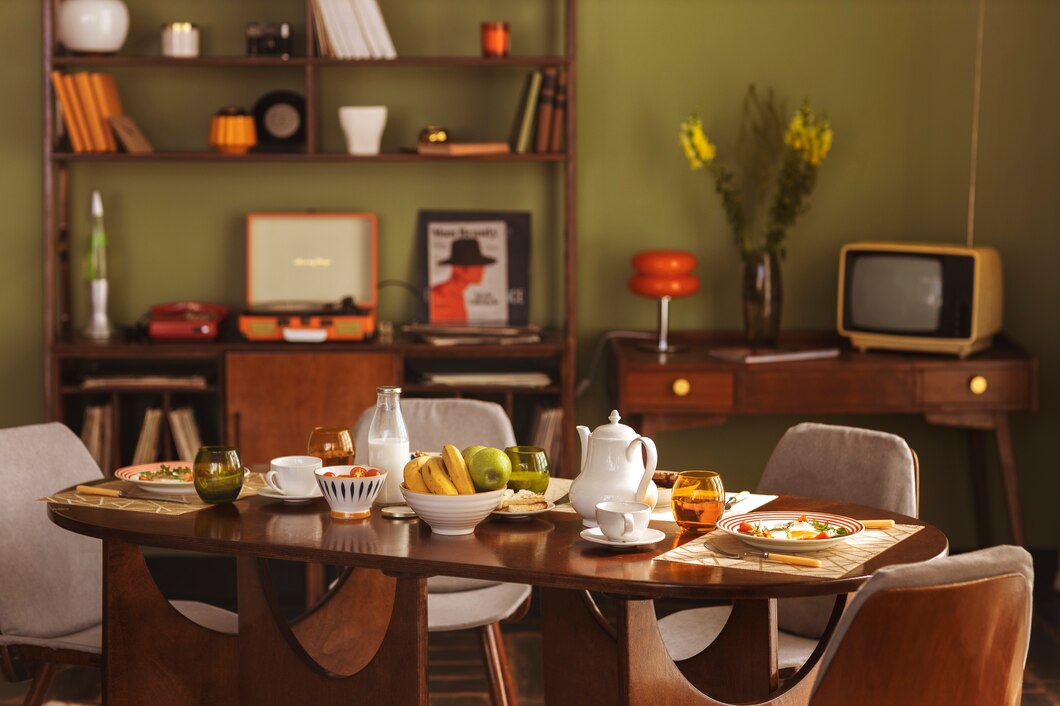
The retro 90s kitchen is officially back in the spotlight, and homeowners, designers, and social media creators can’t stop talking about it. Once considered outdated, the 90s kitchen trend is now being reimagined through a modern lens, blending bold personality with practical comfort. From honey oak cabinets and patterned linoleum to pastel accents and playful wallpaper borders, the 90s kitchen design is inspiring a new wave of creativity. But this revival isn’t just about copying the past. It’s about rediscovering warmth, individuality, and charm in a world dominated by minimalism. As retro kitchen trend conversations flood Pinterest and Instagram, it’s clear that 90s home decor is no longer a throwback—it’s a statement.
In this comprehensive guide, we’ll explore why 90s kitchens are trending again, the defining features of retro kitchen styles from the 90s, how to incorporate 90s kitchen design ideas into a modern home, and how nostalgic kitchen design trends are reshaping today’s interiors.
Why 90s Kitchens Are Trending Again
The return of the retro 90s kitchen trend isn’t random. It’s driven by deeper cultural shifts.
1. Nostalgia as Comfort
In uncertain times, people gravitate toward the familiar. The kitchen of the 1990s represents comfort, family gatherings, after-school snacks, and weekend baking sessions. This emotional pull fuels the demand for nostalgia home decor and vintage interior trends.
2. Rebellion Against Minimalism
For over a decade, sleek white kitchens dominated interior design. While elegant, many began to feel cold and repetitive. The retro kitchen trend offers warmth, color, and personality in contrast to sterile modern spaces.
3. Social Media Influence
Platforms like TikTok and Instagram have accelerated the revival of the 90s aesthetic kitchen. Content creators proudly highlight thrifted finds, pastel-toned appliances, and classic oak cabinets in their kitchens. What was once “dated” is now “iconic.”
4. Sustainability and Upcycling
Instead of tearing out perfectly functional cabinets, homeowners are embracing and refreshing existing features. Keeping oak cabinetry or laminate countertops aligns with eco-conscious living—another reason vintage interior trends are resurging.
What Defined 90s Kitchen Design?
To understand the comeback, we need to revisit the original characteristics of 90s kitchen design.
Honey Oak Cabinets
Light oak wood cabinetry dominated the era. The golden tone brought warmth and practicality, and it remains one of the most recognizable elements of retro kitchen styles from the 90s.
Laminate Countertops
Affordable and versatile, laminate countertops often featured speckled patterns or faux stone finishes.
Tile Backsplashes
Square ceramic tiles—sometimes with fruit motifs—were common in the classic 90s home decor aesthetic.
Wallpaper Borders
Yes, wallpaper borders. Florals, ivy vines, and fruit patterns lined the tops of kitchen walls.
Patterned Flooring
Vinyl or linoleum floors in geometric or checkered patterns added character.
Brass Hardware
The look was elevated with brass hardware on cabinets and matching faucets.
The Rise of the Modern Retro Kitchen
The revival isn’t about recreating the past exactly. The modern retro kitchen blends nostalgia with contemporary upgrades.
Updated Oak Cabinets
Instead of removing oak, homeowners refinish or tone it down with matte sealants for a softer look.
Colorful Appliances
Retro-inspired refrigerators in mint green or baby pink bring back the 90s aesthetic kitchen vibe while offering modern energy efficiency.
Playful Patterns
Backsplashes now feature updated geometric or checkerboard designs inspired by nostalgic kitchen design trends.
Smart Integration
Behind the nostalgic exterior lies smart technology—touch faucets, energy-saving dishwashers, and LED lighting.
Key Elements of the Retro 90s Kitchen Trend
1. Warm Wood Tones
Natural wood cabinetry is central to the 90s kitchen trend. Instead of painting everything white, designers are embracing warm finishes.
2. Soft Pastels
Peach, mint, baby blue, and pale yellow are resurfacing in retro 90s kitchen trend makeovers.
3. Statement Lighting
Track lighting, pendant fixtures, and even globe lights are making a comeback.
4. Open Shelving with Personality
Instead of ultra-minimal open shelving, today’s 90s kitchen design ideas encourage displaying colorful dishware and vintage finds.
5. Textured Surfaces
Tile countertops, patterned wallpaper, and layered materials add depth—hallmarks of vintage interior trends.
How to Create a 90s Aesthetic Kitchen in 2026
If you’re inspired by retro kitchen styles from the 90s, here’s how to bring the look home without feeling stuck in the past.
Step 1: Embrace Existing Features
Don’t rush to remove oak cabinets or laminate countertops. Work with them. The essence of why 90s kitchens are trending again lies in appreciation.
Step 2: Add Retro Accents
Swap hardware for brass or ceramic knobs. Introduce pastel bar stools. Hang a subtle wallpaper border for playful nostalgia.
Step 3: Blend Old and New
Pair vintage decor with sleek appliances. This balance defines the modern retro kitchen.
Step 4: Layer Textures
Mix wood, tile, metal, and fabric to create visual interest.
Nostalgic Kitchen Design Trends Influencing Today’s Homes
The revival of nostalgic kitchen design trends extends beyond cabinets and colors.
Breakfast Nooks
Built-in seating areas are reappearing in updated layouts.
Decorative Window Treatments
Valances and patterned curtains are making a subtle comeback.
Open-Concept Flow
While layouts remain modern, styling leans heavily into 90s home decor influences.
The Psychology Behind Nostalgia Home Decor
The surge in nostalgia home decor isn’t accidental. Research shows that nostalgia boosts mood, increases optimism, and fosters connection. The kitchen—often called the heart of the home—is the perfect space to channel those feelings.
The retro 90s kitchen trend taps into collective memory. It reminds us of simpler times before smartphones dominated daily life. That emotional resonance explains why 90s kitchens are trending again.
Retro Kitchen Styles from the 90s: A Closer Look
Different aesthetics defined the decade:
Country Chic
Floral wallpaper, wooden cabinets, and fruit motifs.
Contemporary 90s
Sleek lines with light wood and neutral countertops.
Pop Pastel
Bright accents and playful decor.
Each of these retro kitchen styles from the 90s can be reinterpreted into a modern retro kitchen for today’s homes.
Balancing Vintage Interior Trends with Modern Living
While vintage interior trends are appealing, functionality remains essential.
- Upgrade appliances for efficiency.
- Improve lighting.
- Incorporate storage solutions.
The goal is harmony—not a time capsule.
Budget-Friendly 90s Kitchen Design Ideas
You don’t need a full renovation to join the 90s kitchen trend.
- Paint walls in soft pastels.
- Add checkered peel-and-stick flooring.
- Install brass hardware.
- Display vintage dishware.
Small changes can create a convincing 90s aesthetic kitchen.
The Role of Color in the Retro Kitchen Trend
Color defines the era.
Popular 90s Shades
- Sage green
- Peach
- Dusty rose
- Butter yellow
In the modern retro kitchen, these tones are paired with neutral backdrops to avoid overwhelming the space.
Sustainability and the Retro Revival
One reason why 90s kitchens are trending again is sustainability. Instead of discarding materials, homeowners are repurposing them. The retro 90s kitchen trend promotes creative reuse.
Common Mistakes to Avoid
While embracing 90s kitchen design, avoid:
- Overloading patterns.
- Ignoring lighting updates.
- Skipping modern functionality.
Balance is key in any retro kitchen trend makeover.
Is the 90s Kitchen Trend Here to Stay?
Design cycles are always evolving. However, the renewed love for nostalgic kitchen design trends suggests this revival has depth. The warmth and personality of 90s home decor resonate with today’s desire for authenticity.
The modern retro kitchen isn’t about copying old catalogs. It’s about honoring the past while living in the present.
Final Thoughts
The resurgence of the retro 90s kitchen trend reflects more than aesthetic preference. It represents a cultural shift toward comfort, individuality, and sustainable living. As homeowners explore 90s kitchen design ideas, they’re discovering that oak cabinets, pastel accents, and playful details can feel fresh again.
The charm of retro kitchen styles from the 90s lies in their warmth and personality. Combined with smart upgrades and intentional styling, the 90s aesthetic kitchen becomes a timeless blend of past and present.
If you’re considering a renovation, perhaps the answer isn’t tearing everything out—but rediscovering what made kitchens in the 90s so beloved. After all, design isn’t just about trends. It’s about how a space makes you feel. And right now, the comforting glow of a retro 90s kitchen feels exactly right.
About the Author