A rotary dial phone is more than an old communication device; it represents a slower, simpler era when making a call required patience and a little intention. From the familiar circular dial of a rotary dial telephone to the warm character of a vintage rotary phone, these devices continue to attract collectors, decorators, and technology enthusiasts. A classic rotary phone, old fashioned telephone, or vintage telephone can instantly bring memories of family conversations, hallway phone calls, and homes where the telephone had a permanent place. Today, an antique rotary phone, retro telephone, or classic telephone is appreciated not only for its function but also for its distinctive appearance, craftsmanship, and powerful connection to rotary phone nostalgia.
What Is a Rotary Dial Phone?
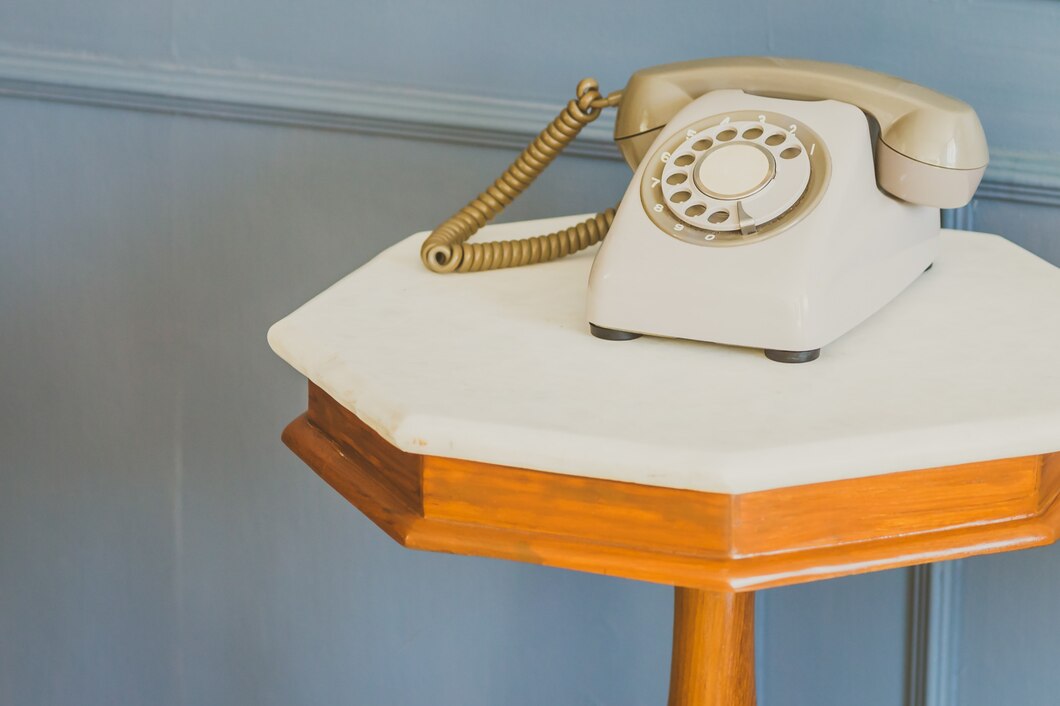
A rotary dial phone is a traditional telephone that uses a mechanical dial to enter a phone number. Instead of pressing buttons, users place a finger into one of the numbered holes, rotate the dial until it reaches a fixed stopping point, and then release it. The dial returns to its original position, generating electrical pulses that represent the selected number.
This simple process made the old rotary phone instantly recognizable. While modern smartphones and touchscreen devices can perform countless tasks, the traditional telephone had one primary purpose: connecting people through voice calls.
The physical experience of using a rotary phone is one reason these devices remain fascinating. The movement of the dial, the mechanical clicking, and the sound of the handset being placed on its cradle create a sensory experience that modern devices rarely reproduce.
The History of Rotary Phones
Understanding the history of rotary phones helps explain why these devices became such important household objects. Before rotary dialing became widespread, telephone users often depended on operators to connect calls. The introduction of automatic dialing technology gradually allowed people to connect calls themselves.
The rotary phone history is closely connected with the development of automatic telephone exchanges. Mechanical switching systems made it possible for subscribers to dial numbers directly rather than relying entirely on a human operator.
Over time, rotary dialing became common in homes and businesses. Telephone companies introduced increasingly standardized designs, making the telephone a familiar feature of everyday life.
For decades, these phones were considered modern technology. Today, they have become examples of old-fashioned communication technology, reminding us how dramatically communication has changed.
How Rotary Dial Phones Work
One of the most interesting aspects of these devices is how rotary dial phones work.
The basic process is surprisingly straightforward. Every digit on the rotary dial generates a particular number of electrical pulses that the telephone system uses to identify the selected number. When the user rotates the dial and releases it, the dial moves backward and creates a series of interruptions in the telephone circuit.
For example, dialing different numbers produces different pulse patterns. The telephone exchange interprets these pulses and uses them to determine which destination should receive the call.
The heart of this system is the rotary dial mechanism. It is a clever combination of springs, gears, contacts, and mechanical movement. Unlike today’s electronic touch interfaces, the mechanism physically moves during operation.
This makes vintage telephone technology particularly interesting to people who appreciate mechanical engineering. A rotary telephone demonstrates how sophisticated communication could be achieved using relatively simple physical components.
Why Rotary Phones Feel So Nostalgic
There are many reasons why rotary phones are nostalgic. One of the biggest is that they are strongly connected to personal memories.
For many people, a telephone was once a shared household object. Families might have had one phone located in a hallway, living room, kitchen, or office. Unlike smartphones, it wasn’t necessarily associated with one person.
That shared experience gives rotary phone nostalgia a unique quality. The telephone wasn’t just something people carried around. It occupied a specific place in the home.
The sound of a ringing telephone could mean a friend was calling, a relative had news, or someone was waiting for an important conversation. These associations can make telephone nostalgia surprisingly emotional.
The Appeal of a Vintage Rotary Phone
A vintage rotary phone has a visual character that modern telephones often lack. Many older models feature substantial handsets, textured surfaces, polished components, and carefully designed dials.
A classic phone design was created to be functional, durable, and recognizable. The circular dial wasn’t merely decorative. Every part served a purpose.
Today, people appreciate these qualities from a different perspective. The same features that once made a telephone practical now make it visually distinctive.
A vintage model can work as a conversation piece, decorative object, or functional telephone depending on its condition and compatibility with modern telephone systems.
Classic Rotary Phones and Home Decor
One major reason retro telephone for home searches continue to attract attention is the growing popularity of nostalgic interior design.
A vintage phone for home can become a decorative focal point on a desk, side table, hallway shelf, or console. Similarly, a retro phone for home can complement interiors inspired by earlier decades.
These phones work particularly well with:
- Retro-inspired interiors
- Mid-century-inspired rooms
- Vintage home offices
- Traditional living spaces
- Industrial interiors
- Eclectic decorating styles
- Antique-inspired rooms
Because of their distinctive shape, they can add personality without requiring significant changes to an existing room.
Vintage Home Decor Meets Technology
The popularity of vintage home decor has encouraged people to reconsider older objects. Items that were once ordinary household equipment can now become decorative statements.
A vintage home telephone is a perfect example. It combines technology with visual design, allowing homeowners to display a functional piece of the past.
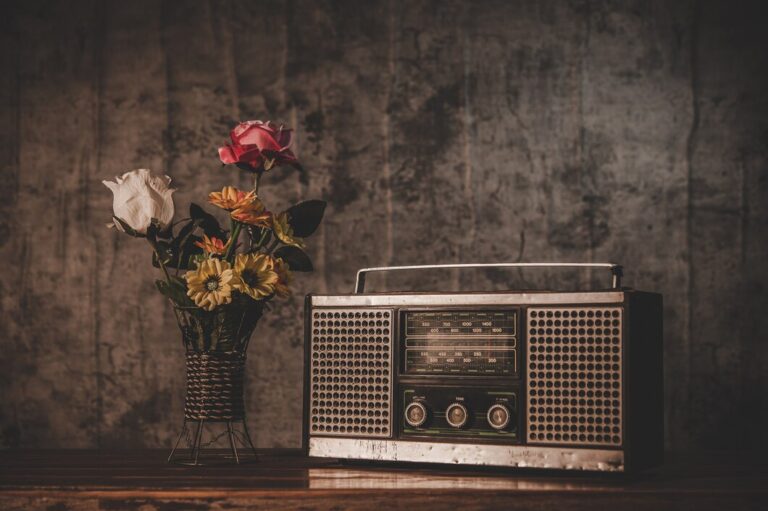
Similarly, nostalgic home accessories such as old radios, clocks, cameras, typewriters, and telephones can create a room that feels connected to another period.
This is one reason nostalgic telephones remain popular among people who enjoy decorating with objects that tell a story.
The Beauty of Antique Telephone Design
An antique telephone design often reflects the engineering priorities and manufacturing techniques of its era.
Older telephones were generally designed for long-term use. Their substantial construction made them feel solid, while their mechanical components were often designed to withstand frequent operation.
The result is a timeless telephone design that remains visually appealing even decades later.
The combination of a circular dial, handset, cradle, cord, and sturdy body creates an instantly recognizable silhouette. Even someone who has never used a rotary phone can usually identify one.
Rotary Phones as Collectibles
For collectors, collectible rotary phones offer more than decorative value. Different manufacturers, colors, materials, shapes, and production periods can make individual models interesting.
A rotary dial phone collection might include several variations, such as:
- Standard black telephones
- Cream or ivory models
- Colored rotary phones
- Wall-mounted examples
- Desk telephones
- Decorative vintage models
- Unusual regional designs
- Early mechanical telephones
Collectors may look at condition, originality, rarity, manufacturer markings, and historical significance when evaluating a particular phone.
Some people collect telephones because they enjoy technology history, while others are attracted primarily to their appearance.
Old Telephone Designs and Changing Styles
Looking at old telephone designs provides an interesting window into changing consumer culture.
Earlier telephones tended to prioritize durability and practicality. As manufacturing and design evolved, telephones became available in a wider range of colors and shapes.
This transition demonstrates that telephone design wasn’t simply about engineering. It also became part of interior style and personal expression.
The classic telephone gradually moved from being purely utilitarian to becoming an object that could contribute to the appearance of a home.
The Difference Between Antique and Vintage Rotary Phones
The terms antique and vintage are sometimes used interchangeably, but collectors may use them differently.
An antique rotary phone generally refers to an older example with significant age and historical interest. A vintage telephone can refer more broadly to a telephone from an earlier period, even if it isn’t technically antique.
Both can have collectible appeal, but age alone doesn’t determine value. Condition, rarity, originality, design, manufacturer, and demand can all influence a telephone’s desirability.
Someone interested in buying an older telephone should therefore look beyond labels and examine the actual characteristics of the item.
Rotary Phones and the Experience of Slow Communication
Modern communication is extremely fast. A message can travel across the world in seconds, and phone numbers can be selected with a single tap.
Using a rotary phone is different.
Dialing a number requires physical movement and a small amount of patience. If you make a mistake, you generally cannot simply tap a backspace button and continue.
This slower process is part of the appeal.
A traditional telephone reminds us that communication once involved more deliberate physical actions. For people surrounded by instant notifications, that experience can feel surprisingly refreshing.
Rotary Phones as Classic Communication Devices
A rotary telephone is one of many classic communication devices that helped shape modern society.
Telephones allowed people to communicate over long distances without physically traveling. As networks expanded, calling family members, businesses, doctors, friends, and colleagues became increasingly convenient.
Although the technology has changed dramatically, the fundamental goal remains the same: connecting people.
That makes rotary phones interesting examples of old-fashioned communication technology rather than obsolete objects with no relevance.
Vintage Electronics and Retro Electronics
Rotary telephones also belong to the wider world of vintage electronics and retro electronics.
They can be displayed alongside old radios, cassette players, televisions, cameras, record players, and other devices from previous technological eras.
For enthusiasts, these objects represent more than outdated equipment. They demonstrate how engineers solved practical problems before modern digital technology became widespread.
This is part of the broader fascination with nostalgic technology.
Classic Tech Nostalgia
The popularity of older technology isn’t necessarily about believing that everything was better in the past.
Instead, classic tech nostalgia often comes from appreciating how familiar objects once fit into everyday life.
A rotary phone may remind someone of their childhood home. An old radio might bring back memories of family gatherings. A vintage camera may remind someone of vacations.
These emotional associations can make vintage gadgets surprisingly meaningful.
The same is true of retro gadgets. Their appeal often comes from the combination of physical design, history, and personal memory.
Restoring Vintage Rotary Phones
For enthusiasts, restoring vintage rotary phones can be an enjoyable hobby. A restoration project may involve cleaning the exterior, examining the handset, checking the dial mechanism, replacing damaged cords, and addressing other age-related issues.
Rotary phone restoration should be approached carefully because older telephones can contain delicate mechanical and electrical components.
Collectors often prefer to preserve original parts whenever possible. Excessive modification can reduce historical authenticity, particularly when the telephone is valuable or rare.
Before connecting an old telephone to modern equipment, it is also important to understand the compatibility of the phone and the current telephone service or adapter being used.
The Satisfaction of Mechanical Design
One reason rotary phones appeal to modern audiences is their mechanical character.
When you rotate the dial, you can see and feel the mechanism working. The process is physical rather than hidden behind software.
That transparency can make the telephone feel more understandable.
A smartphone contains incredibly sophisticated technology, but most users never see how its internal systems operate. With a rotary telephone, the relationship between action and result is much more visible.
You turn the dial, hear the mechanism, release it, and wait for the dial to return.
That simple interaction has a satisfying rhythm.
Why People Display Rotary Phones Today
Not every collector intends to use an old phone for everyday calling.
Many people display rotary phones because they add character to a space.
A vintage telephone can sit on a bookshelf or desk as a decorative object. A colorful model can become a focal point in a retro-inspired room, while a traditional black model can create a more classic atmosphere.
For interior designers and homeowners, these objects can provide visual contrast against modern furniture and technology.
A modern room containing an old telephone can create an interesting conversation between past and present.
Rotary Phones and Personal Memories
Nostalgia becomes especially powerful when an object is connected to personal experiences.
Someone may remember waiting beside the phone for a particular call. Another person may remember being told not to keep the phone line busy. Someone else may remember learning a family member’s telephone number by heart.
These memories transform an ordinary object into something meaningful.
That is why rotary phone nostalgia is about more than the physical telephone. It is about the experiences surrounding it.
The phone becomes a symbol of a period when communication felt more deliberate and less constant.
The Social Meaning of the Old Rotary Phone
The old fashioned telephone also represents a different social relationship with communication.
Today, people can be reached almost anywhere and at almost any time. Smartphones combine calls, messages, social media, email, cameras, entertainment, navigation, and countless other functions.
The traditional telephone had a much narrower role.
When someone called, they were usually calling a specific place or household rather than a person carrying a private device.
That difference helps explain why the rotary phone can feel so culturally distinctive.
Rotary Dial Phones in Modern Interiors
There is something visually interesting about placing a rotary telephone in a contemporary environment.
A sleek modern desk might look completely different when paired with a classic telephone. A minimalist room can gain warmth from a vintage object. A retro-themed room can use a telephone as an authentic-looking centerpiece.
This blend of eras is one reason retro home decor continues to attract design enthusiasts.
Rather than filling an entire room with antiques, homeowners can use a few carefully selected pieces to create contrast.
A rotary telephone is particularly effective because its shape is immediately recognizable.
Preserving Telephone History
Keeping old phones in good condition can also contribute to preserving technological history.
The history of rotary phones tells us about the development of telecommunications, industrial design, manufacturing, and everyday life.
A well-preserved phone can demonstrate how people interacted with communication technology during a particular period.
For museums, collectors, and enthusiasts, these objects offer tangible evidence of technological change.
Unlike a digital file describing an old telephone, a physical rotary phone lets people see its construction, touch its materials, and experience its mechanical operation.
The Future of Rotary Phone Collecting
Interest in older technology may continue as digital devices become increasingly integrated and less physically distinctive.
People may seek out objects that offer tactile experiences and visible mechanical functions.
A rotary phone collection can therefore become both a hobby and a way to preserve technological history.
Collectors may continue searching for unusual colors, rare models, original accessories, and well-preserved examples. Others may simply purchase one telephone to add character to their home.
Either approach reflects the lasting appeal of classic technology.
Rotary Phones as Nostalgic Home Accessories
Among nostalgic home accessories, rotary phones occupy a special position because they combine strong visual identity with cultural memories.
An old telephone can immediately suggest another era without requiring an explanation.
Place one in a hallway and it can evoke an older home environment. Put one on a vintage desk and it can create a historical workspace. Display one alongside an old radio and camera, and the entire arrangement can become a small tribute to earlier technology.
This versatility makes the rotary telephone useful for both collectors and decorators.
What Makes the Rotary Dial Phone Timeless?
The lasting appeal of a rotary phone comes from several factors working together.
First, its design is instantly recognizable. Second, its operation is physical and memorable. Third, it represents an important stage in communication history. Fourth, it can trigger powerful personal memories.
Most importantly, it represents a time when technology was designed around a specific purpose.
The telephone didn’t try to be everything.
It existed to connect people through voice.
That simplicity can be deeply appealing in an age when digital devices constantly compete for attention.
Final Thoughts
The rotary dial phone remains fascinating because it sits at the intersection of technology, design, history, and memory. A rotary dial telephone was once an essential household device, but today it can serve as a collectible, decorative object, historical artifact, or reminder of childhood experiences.
From the mechanical charm of the rotary dial mechanism to the distinctive appearance of the classic rotary phone, these devices demonstrate how much communication technology has changed. At the same time, their continued popularity shows that technological progress doesn’t necessarily erase our appreciation for the past.
Whether displayed as a vintage home telephone, used as inspiration for retro home decor, or carefully preserved through rotary phone restoration, these phones continue to tell a story.
Perhaps that is the real reason they remain so memorable. A rotary telephone doesn’t simply represent an old way of making calls. It represents a time when communication had a physical presence, when telephone numbers were memorized, when families shared one device, and when a ringing phone could bring an entire household to attention.
That combination of history, craftsmanship, and personal memory is what keeps telephone nostalgia, nostalgic technology, and classic communication devices alive. The rotary phone may belong to another era, but its ability to make us remember, wonder, and appreciate simpler technology remains remarkably timeless.
About the Author