Tabletop radios bring the familiar charm of traditional broadcasting into contemporary living spaces while adding features designed for today’s listeners. From vintage tabletop radios and classic tabletop radios to sleek modern tabletop radios, these compact devices combine useful audio functions with distinctive visual appeal. For people who enjoy retro radios for home, a tabletop radio for home can provide an enjoyable alternative to constantly using a smartphone or streaming service. Many of the best tabletop radios now blend vintage radios for home aesthetics with Bluetooth connectivity, digital tuning, improved speakers, and convenient controls.
What Is a Tabletop Radio?
A tabletop radio is a compact radio receiver designed to sit on a desk, shelf, kitchen counter, bedside table, or other convenient surface. Unlike portable radios designed primarily for carrying around, tabletop models are generally intended to become a permanent part of a room.
Traditional models were built around straightforward radio listening. Modern versions may include several additional features, such as Bluetooth streaming, digital displays, presets, USB charging, alarms, and improved audio systems.
The result is a device that can function as both an everyday radio and a decorative object.
For listeners who appreciate physical controls and dedicated audio equipment, a tabletop radio can offer a refreshing alternative to opening an app every time they want to hear music, news, weather information, or talk programs.
The Appeal of Vintage Tabletop Radios
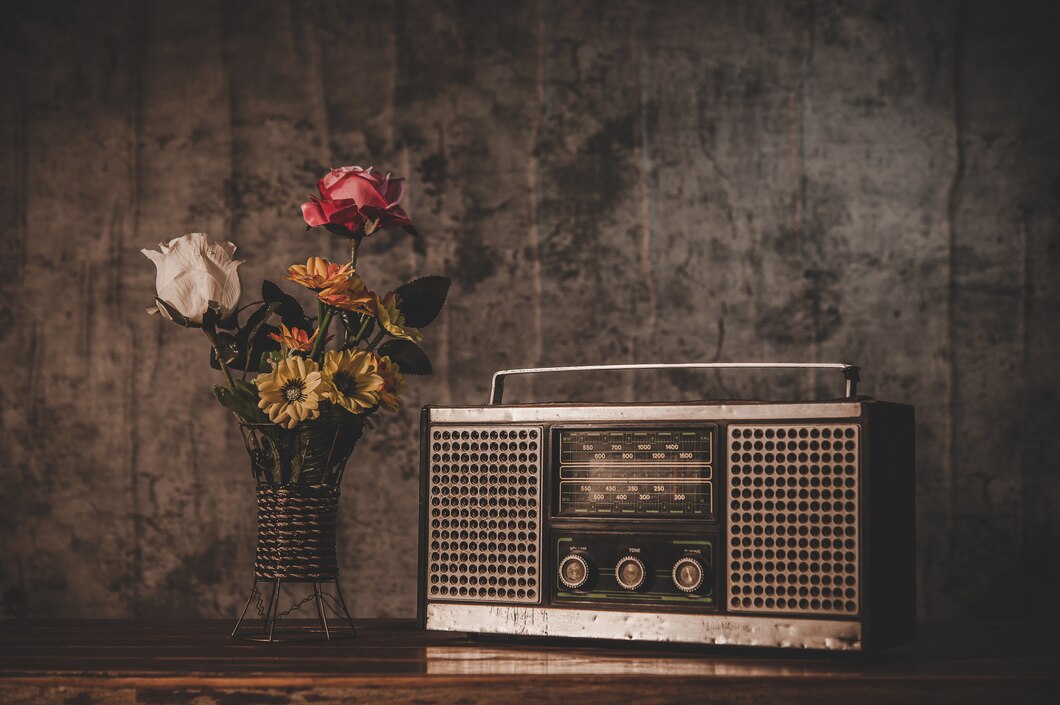
The popularity of vintage tabletop radios comes partly from their distinctive appearance. Older radios often featured wooden cabinets, fabric speaker grilles, large tuning dials, rounded edges, and carefully designed control panels.
These visual details created a strong identity that is difficult to reproduce with a smartphone or generic wireless speaker.
Today, manufacturers and designers frequently borrow these characteristics to create antique-style radios and modern products inspired by earlier decades.
The goal is not necessarily to reproduce every technical limitation of an old radio. Instead, designers combine the visual character of the past with modern convenience.
This creates a product that can appeal to people who enjoy both vintage electronics and contemporary technology.
Classic Tabletop Radios and Their Nostalgic Appeal
Classic tabletop radios have a special place in the history of home audio. For generations, radios served as important sources of entertainment and information.
Families gathered around radios to hear news, sports coverage, music, interviews, dramas, and other broadcasts. Radio listening was often a shared household activity rather than an individual experience through headphones.
Modern listeners may be drawn to this sense of nostalgia.
A radio with a traditional cabinet, tactile tuning knob, and warm-looking speaker grille can remind people of an earlier era even when its internal electronics are completely modern.
These nostalgic radio designs are particularly attractive to collectors and homeowners who want technology to have visual personality.
How Tabletop Radios Have Changed
Early household radios were primarily designed around broadcast reception. Their technology changed considerably over the decades, moving from large vacuum-tube equipment toward smaller transistorized devices and eventually digital electronics.
Modern classic radio technology is often very different internally from the technology used in older receivers.
Today’s modern radio receivers can use digital processing, electronic tuning, memory presets, LCD or LED displays, and sophisticated circuitry inside relatively small cabinets.
This evolution means consumers can enjoy the appearance and listening experience associated with traditional radios without necessarily giving up modern convenience.
How Tabletop Radios Work
Understanding how tabletop radios work starts with the basic purpose of a radio receiver: capturing broadcast signals and converting them into audible sound.
A simplified radio system involves several stages:
1. Receiving the Signal
An antenna captures radio-frequency signals transmitted by broadcasting stations.
2. Selecting a Station
The radio’s tuning system selects the desired frequency from the available signals.
Older radios often used physical tuning mechanisms, while modern receivers may use electronic tuning controlled by buttons, knobs, or digital interfaces.
3. Processing the Signal
The receiver processes the selected signal and extracts the audio information.
4. Amplifying the Audio
An amplifier increases the strength of the audio signal so that it can drive the speaker.
5. Producing Sound
The speaker converts the electrical audio signal into sound waves that listeners can hear.
The exact technology varies depending on the design, but the fundamental purpose remains the same: receive a broadcast, process the audio information, amplify it, and reproduce it through speakers.
Tabletop AM FM Radios
Many people still specifically search for tabletop AM FM radios because AM and FM broadcasting remain familiar formats.
AM, or amplitude modulation, and FM, or frequency modulation, are different methods used to transmit audio information through radio waves.
An AM FM tabletop radio gives listeners access to both bands in one device.
AM broadcasting has historically been associated with talk radio, news, sports, and other spoken-word programming, although available content varies by region.
FM is widely associated with music and higher-fidelity broadcast audio.
For someone who wants a straightforward radio receiver rather than a device dependent on internet access, an AM/FM tabletop model can be a practical option.
Modern Tabletop Radios With Bluetooth
One of the biggest changes in tabletop radio design is the addition of wireless connectivity.
Tabletop radios with Bluetooth allow users to connect compatible smartphones, tablets, computers, or other devices and stream audio through the radio’s built-in speakers.
This creates a useful combination.
You can listen to a local broadcast station when you want traditional radio, then switch to Bluetooth when you want to play your own music or another audio source.
Bluetooth tabletop radios therefore bridge the gap between classic broadcasting and modern digital listening.
Instead of owning separate devices for radio and wireless audio, users can sometimes combine both functions in one compact unit.
Why Bluetooth Adds Value
Bluetooth does not replace the radio receiver. Instead, it adds another listening option.
For example, a household might use a radio for morning news and then switch to Bluetooth for:
- Music playlists
- Podcasts
- Audiobooks
- Online radio
- Educational content
- Personal audio collections
This flexibility is one reason modern retro radios have become appealing to people who like traditional designs but still expect contemporary functionality.
Retro Radios for Home Décor
Technology has increasingly become part of interior design. People often want their electronics to complement a room rather than visually disappear into it.
A radio for home décor can become a small focal point on a shelf, kitchen counter, console, bedside table, or office desk.
Wooden finishes, neutral colors, fabric speaker grilles, brass-look controls, and rounded cabinets can work particularly well with vintage-inspired interiors.
A retro tabletop radio can fit naturally into:
- Vintage-inspired rooms
- Mid-century-inspired interiors
- Traditional homes
- Rustic spaces
- Modern minimalist rooms
- Home offices
- Kitchens
- Bedrooms
The key is choosing a design that works with the surrounding furniture.
Vintage Radios for Home and Interior Style
Vintage radios for home settings can be decorative even when they are not being used.
An old radio inherited from a family member may serve as a conversation piece. A newly manufactured vintage-inspired model can provide a similar visual effect while offering reliable modern functionality.
For homeowners who enjoy collecting retro home electronics, tabletop radios can also complement items such as vintage cameras, record players, clocks, televisions, and gaming systems.
The combination can create a cohesive collection of retro home décor electronics.
Stylish Tabletop Radios for Small Spaces
Not everyone has room for a large stereo system.
Stylish tabletop radios are designed to provide useful audio capabilities without taking up much space.
A compact radio can fit comfortably on:
- A bedside table
- Kitchen counter
- Bookshelf
- Office desk
- Bathroom shelf, where appropriate for the environment
- Entryway console
- Small apartment shelf
Compact tabletop radios can be especially useful in apartments, dorm rooms, offices, and other spaces where larger audio equipment would be inconvenient.
Tabletop Radio Speakers and Sound Quality
The speaker system is an important part of any tabletop radio.
Tabletop radio speakers vary considerably in size and design. Some models prioritize compactness, while others use larger cabinets to create a fuller sound.
Cabinet construction can influence the way a speaker performs. A larger enclosure may provide more room for internal speaker components, while compact designs may prioritize convenience and appearance.
When choosing a radio, consider where you will use it and what kind of listening you expect.
If the radio is mainly for speech, such as news or talk programs, voice clarity may matter more than powerful bass.
If you intend to stream music regularly, you may want a model with stronger speaker performance and more flexible audio controls.
Tabletop Audio Systems vs. Traditional Radios
A traditional radio is primarily designed around broadcast reception. A modern tabletop audio system may include radio alongside Bluetooth, auxiliary input, streaming capabilities, alarms, and other functions.
This makes the modern category much broader than the classic radio.
Some listeners prefer simplicity. They want to turn a knob, select a station, and listen.
Others prefer flexibility and want one device that handles several audio sources.
Neither approach is necessarily better. The ideal choice depends on how you plan to use the device.
The Role of Classic Radio Design
Classic radio design remains popular because it communicates familiarity and warmth.
Design features commonly associated with traditional radio include:
- Wooden or wood-look cabinets
- Rounded corners
- Fabric speaker grilles
- Large tuning knobs
- Analog-style displays
- Warm neutral finishes
- Simple control layouts
These characteristics can make technology feel less sterile.
Rather than looking like another generic electronic gadget, a radio with traditional radio design can resemble furniture or décor.
Modern Retro Radios: The Best of Both Eras
Modern retro radios combine nostalgic visual elements with updated internal technology.
A modern retro model might look like it belongs in a 1950s-inspired kitchen but include Bluetooth connectivity and a modern amplifier.
This approach is particularly appealing because users do not necessarily have to choose between appearance and convenience.
The design says “classic,” while the technology says “current.”
That combination has also helped vintage-inspired electronics remain relevant in contemporary interiors.
Benefits of Tabletop Radios
There are several potential benefits of tabletop radios, particularly for people who enjoy dedicated audio devices.
1. Simple Listening
A tabletop radio can provide direct access to broadcast audio without requiring a smartphone or computer.
2. Physical Controls
Buttons and knobs can be easier to operate for some listeners than navigating multiple menus inside an app.
3. Decorative Appeal
A well-designed radio can contribute to the visual character of a room.
4. Multiple Audio Sources
Models with Bluetooth can support both broadcast radio and wireless streaming.
5. Compact Size
Most tabletop models require considerably less space than traditional stereo systems.
6. Background Entertainment
Radio works well as background audio while cooking, working, reading, cleaning, or relaxing.
7. Reduced Dependence on Screens
Traditional radio listening does not require staring at a display or scrolling through an application.
These advantages help explain why radio listening at home remains appealing despite the enormous growth of streaming services.
Nostalgic Home Gadgets and the Return of Retro Technology
The renewed interest in tabletop radios is part of a broader fascination with nostalgic home gadgets.
People are increasingly drawn to products that remind them of earlier technologies while still functioning in contemporary environments.
Examples can include:
- Film-inspired cameras
- Mechanical-style clocks
- Record players
- Retro televisions
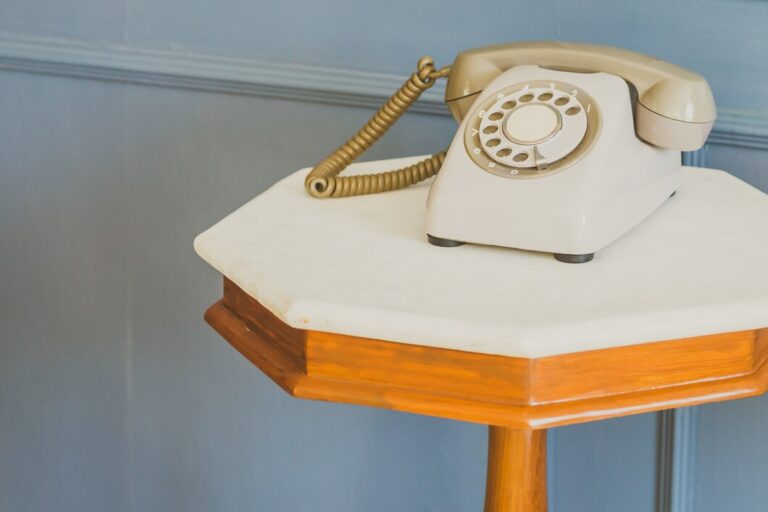
- Vintage-style telephones
- Classic gaming devices
- Old-fashioned kitchen appliances
Tabletop radios fit naturally into this category of retro technology.
They are especially interesting because radio itself remains functional rather than being purely decorative.
Tabletop Radios and Digital Minimalism
Modern life involves constant notifications, screens, apps, and digital distractions.
A dedicated radio can provide a different kind of listening experience.
Instead of choosing songs by scrolling through an endless catalog, you can simply tune into a station and allow the programming to unfold.
This can make radio particularly enjoyable during cooking, breakfast, reading, or other activities where you do not want to interact continuously with a screen.
A tabletop radio does not eliminate digital entertainment, but it can provide another option.
Tabletop Radio Buying Guide
If you are considering purchasing one, this tabletop radio buying guide can help you identify the features that matter most.
Decide Where You Will Use It
Think about whether the radio will sit in a kitchen, bedroom, office, living room, or another space.
This will influence the size, appearance, controls, and speaker requirements.
Choose Your Radio Bands
If you want traditional broadcasting, check whether the model supports AM, FM, or both.
For many users, an AM/FM model offers greater flexibility.
Consider Bluetooth
If you want to stream audio from a smartphone or tablet, look for tabletop radios with Bluetooth.
Evaluate Speaker Quality
Do not judge sound performance solely by appearance. Consider speaker size, audio controls, cabinet design, and reviews where available.
Look at the Controls
Some users prefer physical knobs. Others may prefer digital buttons and displays.
Choose an interface that feels intuitive.
Check the Power Setup
Determine whether the radio is designed for mains power, batteries, or both. A primarily stationary tabletop unit will often prioritize wall power.
Consider the Design
If the radio will be visible in your living space, choose a style that complements your furniture.
Think About Extra Features
Depending on your needs, useful additions might include:
- Alarm clock
- Sleep timer
- Preset stations
- Headphone output
- Auxiliary input
- Bluetooth
- Digital display
Do not pay extra for features you are unlikely to use.
How to Choose the Best Tabletop Radios for Your Needs
The best tabletop radios are not necessarily the most expensive models. They are the ones that match the listener’s priorities.
For a traditional listener, a simple AM/FM receiver with clear speakers may be ideal.
For a music listener, Bluetooth connectivity and stronger audio performance may be more important.
For a décor-focused buyer, cabinet design and finish may take priority.
For a small apartment, compact dimensions could be the deciding factor.
Think about your actual listening habits before comparing specifications.
Maintaining a Tabletop Radio
Basic care can help keep a tabletop radio looking and functioning well.
Keep dust away from vents, controls, and speaker grilles. Follow the manufacturer’s instructions when cleaning the cabinet.
Avoid placing the radio where it may be exposed to excessive moisture, heat, or direct sunlight.
If the radio has an external antenna, handle it carefully to avoid damage.
For vintage equipment, additional care may be necessary because older electronic components can become fragile with age. Repairs to older radios may require someone experienced with vintage electrical equipment.
Collecting Vintage Electronics
For enthusiasts of classic audio equipment, tabletop radios can become part of a broader collection.
Older radios can be interesting because their cabinets, controls, tuning mechanisms, and manufacturing styles reflect the era in which they were made.
However, collectors should distinguish between visual restoration and electrical restoration.
An old radio may look beautiful while still containing aging electrical components. Vintage equipment should be evaluated appropriately before being connected to power, especially if its condition is unknown.
Tabletop Radios in Modern Kitchens
The kitchen is one of the most natural places for a tabletop radio.
Cooking can involve long periods of preparation, and radio provides convenient background entertainment without requiring constant screen interaction.
A compact tabletop radio for home use can sit on a counter or shelf where its controls remain accessible.
A retro design can also complement traditional kitchen interiors particularly well.
Tabletop Radios for Bedrooms and Home Offices
A radio can also work well beside a bed or on a home office desk.
In a bedroom, features such as an alarm or sleep timer may be useful.
In a home office, radio can provide background audio while you work.
Because tabletop models are designed for stationary use, they can become part of a room rather than something that needs to be repeatedly connected and disconnected.
Why Radio Still Matters
Streaming services have transformed how people consume audio, but broadcasting offers something different.
Radio introduces an element of discovery. You do not always know what song, interview, story, or discussion will come next.
Local stations can also provide community information, traffic updates, regional news, weather, and local programming.
For some listeners, this unpredictability is part of the charm.
It is one reason classic radio for modern homes still has a place alongside podcasts, streaming platforms, smart speakers, and digital music libraries.
Final Thoughts
Tabletop radios demonstrate that older forms of technology can remain relevant when thoughtfully adapted to contemporary lifestyles. From beautifully designed vintage tabletop radios to versatile modern tabletop radios, today’s options combine familiar radio listening with features such as Bluetooth connectivity, improved speakers, digital tuning, and compact construction.
For homeowners interested in retro home electronics, a tabletop radio can be more than an audio device. It can contribute to a room’s character, complement other vintage-inspired electronics, and create a stronger connection to the visual language of earlier technology.
At the same time, modern features make these devices practical for everyday use. Tabletop radios with Bluetooth can switch between traditional broadcasts and personal digital audio, while tabletop AM FM radios preserve access to familiar broadcast formats.
Whether you are attracted to nostalgic styling, physical controls, compact audio equipment, or simply the pleasure of listening to radio at home, a tabletop radio can offer a distinctive alternative to screen-based entertainment. It brings the spirit of classic broadcasting into contemporary spaces while proving that good design and useful technology do not have to belong to only one era.
About the Author