The mid-1990s brought a wave of excitement to personal computing, and nothing epitomizes that era more than Windows 95 nostalgia. For millions of users worldwide, Windows 95 wasn’t just an operating system; it was a portal into a digital revolution. With its groundbreaking interface, improved multitasking capabilities, and integration of the Start menu, Windows 95 transformed 90s computer technology and set the stage for the modern computing experience.
This article delves deep into classic PC technology, exploring the rise of Windows 95, its key innovations, and how it became a cornerstone in retro computing culture. From its technical features to the cultural impact, we trace the history of Windows 95, celebrate the joy of nostalgic computing from the 90s, and examine why this era still resonates with tech enthusiasts today.
The Dawn of Windows 95: Changing the PC Landscape
Before Windows 95, personal computers were functional but often intimidating for non-technical users. Operating systems like MS-DOS required command-line inputs, making PCs less accessible. Windows 3.1 introduced a graphical interface, but it lacked the ease of navigation that users now take for granted.
With the launch of Windows 95, classic PC technology entered a new era. The system featured an intuitive graphical user interface, taskbar, and the Start menu, which made computing more user-friendly. For many, this was the beginning of retro computing that combined both efficiency and visual appeal.
Key Windows 95 Features
Windows 95 was more than a cosmetic upgrade—it redefined how people interacted with computers. Some of its standout Windows 95 features included:
- The Start Menu: Centralized access to programs and files, simplifying navigation.
- Taskbar and System Tray: Allowed easy multitasking and quick access to background applications.
- Plug and Play Support: Made adding new hardware easier, reducing setup complexity.
- 32-bit Preemptive Multitasking: Improved system performance and stability.
- Internet Integration: Included support for dial-up networking and early web browsing.
These classic PC technology advancements not only improved usability but also set the foundation for modern operating systems, making Windows 95 a significant milestone in 90s computer technology.
Hardware That Powered Windows 95
The success of Windows 95 was intertwined with the hardware of the time. PCs in the mid-1990s typically featured:
- Intel Pentium processors or equivalent
- 4–16 MB RAM (expandable)
- VGA graphics cards
- 500 MB to 2 GB hard drives
- Floppy drives and CD-ROM drives
This combination of classic PC technology allowed users to explore software, games, and multimedia applications that were previously impossible on older systems. For many enthusiasts, the hum of these machines evokes pure Windows 95 nostalgia and retro computing.
Software and Applications of the 90s
Windows 95 expanded the software ecosystem considerably. Iconic programs included:
- Microsoft Office 95: Word, Excel, PowerPoint, and Access
- Paint and Notepad: Simple but essential productivity tools
- Games: Solitaire, Minesweeper, and early PC games
- Internet Explorer: Brought the World Wide Web to mainstream users
This suite of software contributed to the growth of retro computing communities and shaped the standard for future applications, creating lasting Windows 95 nostalgia.
Gaming on Windows 95
Windows 95 played a crucial role in the evolution of PC gaming. Unlike earlier systems, it supported enhanced graphics and sound cards, making games more immersive. Popular titles of the era included:
- Doom and Doom II
- Command & Conquer
- SimCity 2000
- Myst
These games pushed the boundaries of classic PC technology and continue to be celebrated in nostalgic computing from the 90s circles.
The Impact on Retro Computing
Windows 95’s user-friendly interface and robust architecture made it a staple in retro computing. Many enthusiasts today emulate Windows 95 to relive the era of early GUI-based computing. Emulators and virtual machines allow users to experience 90s computer technology firsthand, preserving the digital heritage of the time.
Communities and Emulation
Online communities have formed around Windows 95 nostalgia. Forums, YouTube videos, and dedicated retro computing websites celebrate:
- Original hardware setup and restoration
- Classic software and games
- DIY retro PC projects
These communities maintain the relevance of classic PC technology and ensure that the charm of Windows 95 features is not lost to modern users.
Windows 95 and Multimedia Innovations
The mid-90s were a time of multimedia experimentation. Windows 95 included features that allowed users to enjoy music, video, and graphics:
- Support for WAV, MIDI, and MP3 audio formats
- Early video playback capabilities
- Improved graphics handling for games and design software
This era of retro computing demonstrated the potential of home PCs beyond productivity, inspiring a generation of digital creatives.
Business and Educational Impact
Windows 95 was not just for home users—it also transformed business and education. Features such as multitasking, file management, and network support enhanced workplace productivity and learning experiences.
- Educational Software: Programs like Encarta and educational games thrived on Windows 95, shaping nostalgic computing from the 90s for students.
- Business Applications: The integration of Microsoft Office 95 and networking tools allowed businesses to streamline operations, marking a major milestone in classic PC technology.
The Cultural Significance of Windows 95
Windows 95 was more than software; it was a cultural phenomenon. Launch events, advertisements, and even sound effects like the iconic startup chime became ingrained in popular culture. The operating system helped normalize home computing, establishing personal PCs as essential household tools.
- The launch included an event featuring the Rolling Stones’ “Start Me Up” to celebrate the Start menu.
- Windows 95 shaped retro computing culture, with many enthusiasts reminiscing about first-time experiences with PCs.
Challenges and Criticisms
Despite its popularity, Windows 95 faced challenges:
- Compatibility issues with older software
- Limited internet capabilities compared to modern systems
- Occasional system crashes and the need for frequent updates
These challenges, however, were part of the learning curve that defined 90s computer technology and contributed to the nostalgia associated with early PCs.
Legacy of Windows 95
The impact of Windows 95 continues to resonate today. Its innovations influenced subsequent operating systems, setting standards for interface design, multitasking, and user experience.
- Modern Windows OS retains elements of the Start menu and taskbar
- Emulators and virtual machines keep Windows 95 nostalgia and retro computing alive
- Retro software and games maintain a dedicated fanbase
Collecting and Preserving Classic PC Technology
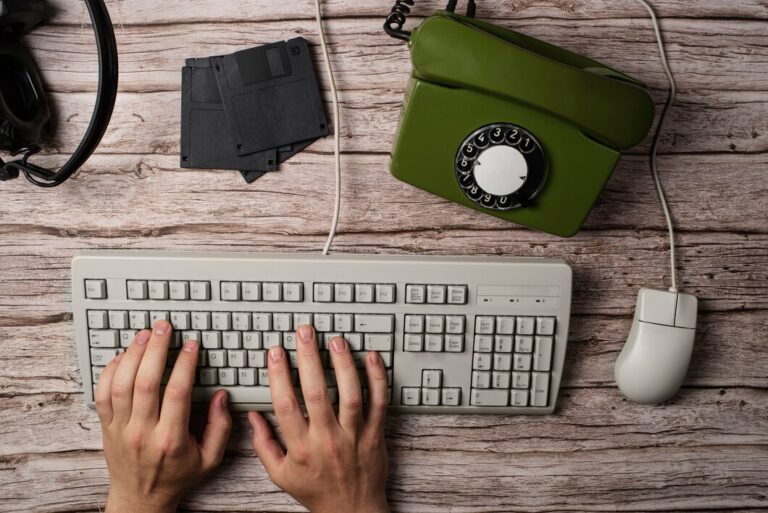
Many retro computing enthusiasts collect vintage PCs and peripherals, including Windows 95 machines, keyboards, mice, and monitors. Preserving this hardware allows users to:
- Experience authentic 90s computer technology
- Showcase historical technology in museums and exhibitions
- Educate new generations about the evolution of computing
Collecting and maintaining these systems is a hands-on way to celebrate Windows 95 nostalgia.
Tips for Experiencing Nostalgic Computing from the 90s Today
If you want to relive the era of Windows 95, here are some practical tips:
- Use Emulators: Software like VirtualBox or DOSBox allows running Windows 95 on modern machines.
- Seek Original Hardware: Refurbished PCs from the 90s offer authentic experiences.
- Explore Retro Software: Install classic applications and games to experience the interface and functionality.
- Join Communities: Engage with forums, YouTube channels, and retro computing clubs.
These approaches preserve the charm and innovation of classic PC technology and celebrate the history of Windows 95.
Conclusion: Windows 95 as a Pillar of Retro Computing
The legacy of Windows 95 goes far beyond its technical specifications. It represents a pivotal moment in retro computing, bringing user-friendly interfaces, multimedia capabilities, and connectivity to the masses. Its Windows 95 features influenced every subsequent operating system, shaping the expectations of users and developers alike.
From its launch to its continued presence in emulators and enthusiast collections, Windows 95 embodies the essence of nostalgic computing from the 90s. The era of classic PC technology it represents continues to inspire and educate, proving that the magic of this revolutionary operating system is as relevant today as it was over two decades ago.
About the Author