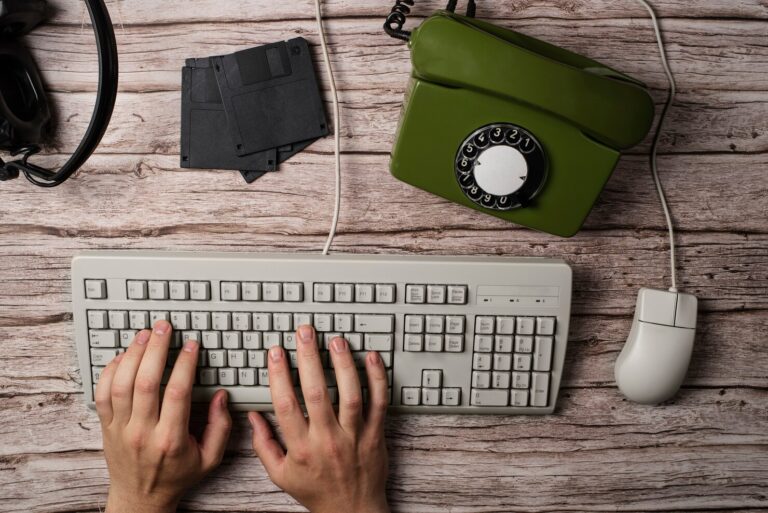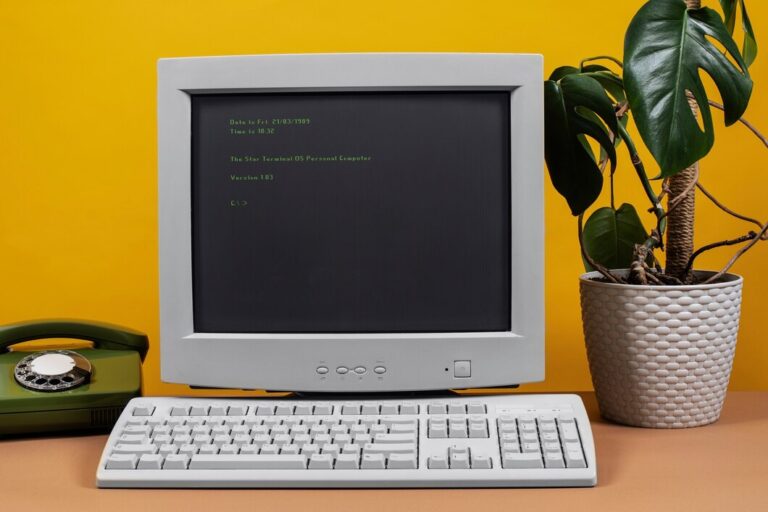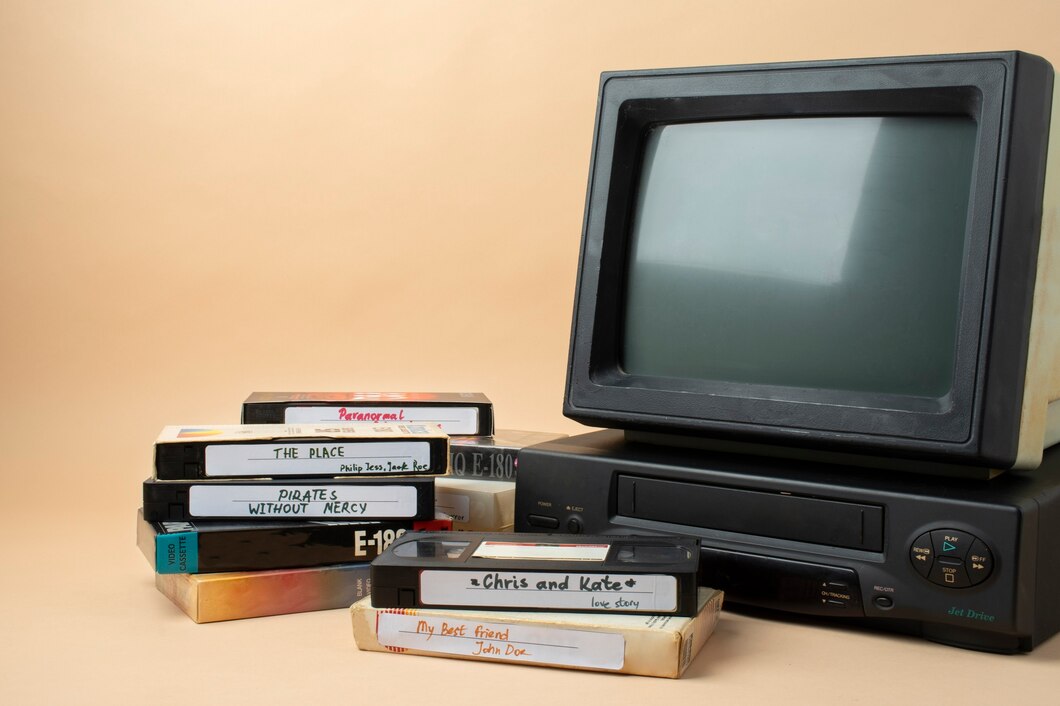
The 1990s were an unforgettable decade for personal computing. Computers were gradually moving beyond offices, universities, and research facilities and becoming an important part of everyday household life. Families purchased their first desktop computers, students discovered educational software, and young people spent hours exploring computer games, drawing programs, and early internet services.
The evolution of 1990s home computers changed the way people learned, worked, communicated, and entertained themselves. During this period, computers became more affordable, operating systems became easier to use, and multimedia technology introduced exciting new possibilities. Microsoft Windows helped make personal computing more accessible, while manufacturers competed to offer machines with better processors, larger hard drives, improved graphics, and CD-ROM drives.
For many people, their first computer was more than an electronic device. It was a place to play games, write school assignments, explore digital creativity, and discover the early internet.
From powerful desktop machines to compact all-in-one systems, several computers became particularly memorable during this decade. Let’s explore 15 iconic 90s computers that helped shape the personal computing experience and influenced the technology we use today.
The 1990s PC Boom: When Computers Entered Everyday Homes
At the beginning of the 1990s, owning a personal computer was becoming increasingly attractive to ordinary households. Although computers had existed for decades, improvements in hardware, software, and manufacturing made them more practical for everyday use.
The growing popularity of personal computers was supported by several important developments.
First, processors became faster and more capable. Intel’s 486 and Pentium processor families helped improve the performance of desktop computers, making demanding applications and multimedia experiences more accessible.
Second, graphical operating systems made computers easier to operate. Users no longer needed to rely entirely on typed commands to perform everyday tasks. Windows introduced familiar visual elements, including icons, menus, windows, and a mouse-driven interface.
Third, CD-ROM technology expanded the possibilities of home computing. Instead of relying only on floppy disks, users could access larger software collections, educational programs, reference libraries, music, and multimedia games.
The growth of the internet also encouraged families to purchase computers. People became interested in email, online information, discussion groups, and eventually the World Wide Web.
As a result, the home PC 1990s experience became increasingly diverse. Some households purchased computers mainly for education, while others wanted them for gaming, creative projects, or business-related activities.
15 Iconic Home Computers of the 1990s
The 1990s introduced several memorable computers from manufacturers such as Apple, IBM, Compaq, Dell, Gateway, and Packard Bell. Each offered different features and helped shape the expectations of home computer users.
Here are 15 notable machines and computer families that represent the decade.
1. Apple Macintosh Classic II
The Apple Macintosh Classic II was one of the recognizable compact Macintosh computers of the early 1990s.
Introduced in 1991, it continued Apple’s tradition of combining the computer and display into a single compact design. It featured a black-and-white screen and a graphical operating environment that made everyday computing more approachable.
The Macintosh Classic II was particularly useful for writing, educational activities, and desktop publishing. Its compact design also made it suitable for homes, schools, and smaller workspaces.
Although its specifications were modest compared with later machines, it represented an important stage in the development of accessible Macintosh computers.
For users who wanted a straightforward computer for everyday tasks, the Classic II offered a familiar and convenient experience.
2. Apple Macintosh LC II
The Macintosh LC II was another important Apple computer introduced in 1992.
It belonged to Apple’s LC family, which was designed to provide more affordable Macintosh computing. Its compact desktop case and relatively accessible pricing made it attractive to educational institutions and home users.
The machine featured a Motorola 68030 processor and supported color graphics, making it useful for educational applications, drawing programs, and general productivity.
The Macintosh LC series helped bring color Macintosh computing to a wider audience.
Its combination of a compact design, graphical interface, and educational software made it a memorable part of 1990s computing.
3. Commodore Amiga 1200
The Commodore Amiga 1200 was introduced in 1992 and became an important machine for enthusiasts interested in graphics, sound, and gaming.
It was based on the Amiga architecture and used a Motorola 68EC020 processor. Its multimedia capabilities helped distinguish it from many conventional home PCs.
The Amiga 1200 was popular among hobbyists, gamers, and creative users who appreciated its graphical capabilities and flexible software environment.
It also supported impressive audiovisual experiences for its time.
Although the Amiga platform faced increasing competition from Windows-based computers, the Amiga 1200 maintained a dedicated following and remains a memorable example of alternative personal computing.
4. IBM PS/1
IBM introduced the PS/1 family in 1990 to make personal computing more accessible to household users.
The machines were designed with simplicity in mind, offering a more approachable experience for people who were purchasing their first computer.
Different PS/1 models included varying processor configurations and hardware features. Many were designed to provide an integrated home computing experience with bundled software.
The IBM brand also helped make the PS/1 attractive to consumers who associated the company with reliable business computers.
The PS/1 demonstrated how established technology companies were beginning to recognize the growing importance of the home computer market.
5. IBM Aptiva
<PRIVATE_PERSON> introduced the IBM Aptiva line in 1994, targeting consumers who wanted a complete home computing system.
The Aptiva range included desktop computers with multimedia features, speakers, CD-ROM drives, and software packages, depending on the model.
These systems were designed for families who wanted to use their computers for more than office work.
Users could play multimedia games, listen to music, explore educational programs, and access the internet.
IBM positioned Aptiva as a household-friendly computer rather than simply a business machine.
Its multimedia-oriented approach reflected a wider change in the personal computer industry during the middle of the decade.
6. Apple Power Macintosh 6100
Apple introduced the Power Macintosh 6100 in 1994 as part of its first generation of Power Macintosh computers.
It used the PowerPC 601 processor, marking an important architectural change for Apple.
The Power Macintosh 6100 offered improved processing capabilities and supported more demanding applications than many earlier Macintosh models.
Its desktop design made it suitable for home users, creative professionals, and educational environments.
The transition to PowerPC technology helped Apple compete in a market where processor performance was becoming increasingly important.
The 6100 represented a major step in Apple’s computing history during the 1990s.
7. Packard Bell Multimedia Computers
Packard Bell became a familiar name in the home computer market during the 1990s.
Rather than being associated with one particular machine, its multimedia desktop range included several configurations designed for ordinary households.
Many systems featured CD-ROM drives, sound cards, speakers, and bundled educational or entertainment software.
These computers helped introduce families to multimedia technology without requiring them to purchase and install every component separately.
Packard Bell also appealed to first-time computer buyers through complete packages that combined hardware, accessories, and software.
Its systems became recognizable in homes where computers were increasingly used for education, games, and everyday communication.
8. Compaq Presario 425
Compaq introduced its Presario line in 1993, creating a family of computers aimed at the growing consumer market.
The Presario 425 was among the early models associated with this range.
Compaq wanted to make personal computers more approachable for households that did not necessarily have technical experience.
Presario systems were sold with combinations of hardware and software intended to provide a convenient home computing experience.
The range later expanded with different desktop and portable configurations.
Compaq’s success in the consumer market demonstrated that home buyers were becoming an important audience for established PC manufacturers.
9. Gateway 2000 Desktop Computers
Gateway 2000 became a well-known computer manufacturer during the 1990s, particularly in the United States.
The company became recognizable for its distinctive cow-patterned packaging and direct-sales approach.
Its desktop computers were available in several configurations, allowing customers to select systems according to their budgets and performance requirements.
Gateway machines often featured Intel processors, Windows operating systems, and multimedia hardware, depending on the model.
The company helped popularize customized computer purchasing at a time when consumers were becoming more interested in comparing processor speeds, memory capacities, and storage options.
Gateway’s branding became an unforgettable part of the 1990s PC market.
10. Dell Dimension Series
Dell expanded its consumer desktop business during the 1990s with its Dimension computer family.
These systems were designed for home users who wanted dependable computers for productivity, education, and entertainment.
Different Dimension configurations included Intel processors, Windows operating systems, and increasingly capable multimedia hardware.
Dell’s direct-sales business model allowed customers to select configurations based on their individual needs.
As consumers became more familiar with technical specifications, the ability to choose processors, memory, and storage became increasingly attractive.
The Dimension range represented the growing popularity of configurable Windows computers in households.
11. Apple Power Macintosh 7200
The Power Macintosh 7200 arrived in 1995 as part of Apple’s expanding Power Macintosh range.
It was designed to deliver stronger performance for applications that required greater processing capabilities.
The machine used a PowerPC processor and supported multimedia and productivity software.
It was suitable for users interested in desktop publishing, education, graphic applications, and general home computing.
The Power Macintosh 7200 also reflected Apple’s efforts to maintain a competitive position as Intel-based Windows PCs became more powerful and affordable.
12. Sony VAIO Desktop Computers
Sony introduced the VAIO brand in 1996, bringing its design-focused approach to personal computing.
Although VAIO later became particularly famous for laptops, its desktop systems also contributed to Sony’s presence in the computer market.
VAIO computers emphasized a combination of performance, multimedia functionality, and distinctive industrial design.
They appealed to users who wanted computers for entertainment, creative activities, and everyday productivity.
Sony’s involvement in personal computing also reflected the growing relationship between computers and consumer electronics.
The VAIO brand eventually became associated with stylish and innovative computer products.
13. Apple Power Macintosh G3
The Power Macintosh G3 was introduced in 1997 and represented an important advancement in Apple’s desktop computing lineup.
It used the PowerPC G3 processor, which was designed to deliver strong performance for its time.
The G3 family became particularly recognizable for its improved processing capabilities and support for demanding creative applications.
These computers were used for tasks such as graphic design, multimedia production, education, and everyday computing.
The Power Macintosh G3 also helped establish Apple’s position as a manufacturer of powerful computers for creative users.
Its influence continued into the late 1990s and early 2000s.
14. Apple iMac G3
Introduced in 1998, the original iMac G3 became one of the most recognizable computers of the decade.
Designed under Apple’s renewed product strategy, it featured a distinctive translucent, colorful all-in-one body.
The iMac G3 combined the computer and monitor into a single unit and included USB connectivity.
It also removed the traditional floppy disk drive, encouraging users to adopt newer methods of transferring data.
Its design was dramatically different from the beige desktop computers that dominated many homes during the decade.
The iMac G3 attracted attention not only because of its appearance but also because of its straightforward setup and emphasis on internet connectivity.
It became an important symbol of Apple’s design philosophy and the changing identity of personal computers.
15. Compaq Presario 5000 Series
The Compaq Presario 5000 series became part of the late-1990s and early-2000s consumer desktop market.
Its place in this list reflects how the Presario family continued evolving toward the end of the decade.
These systems were designed for household users who wanted computers capable of handling productivity applications, multimedia entertainment, and internet access.
Depending on the configuration, they offered more modern processors, larger storage capacities, and improved multimedia components than earlier home PCs.
The Presario family demonstrated how quickly home computing technology was advancing as the decade approached its end.
How Windows Computers Changed Home Computing
One of the most significant developments of the 1990s was the growing popularity of Microsoft Windows.
Earlier personal computers often required users to become familiar with command-based interfaces. Windows introduced a more visual approach, making computers easier for beginners to understand.
Windows 3.0 and Windows 3.1 helped establish graphical computing as an important part of the PC experience.
Users could open applications through icons, manage files using visual tools, and switch between different programs.
Windows 95, released in 1995, represented an especially important milestone.
It introduced the Start menu, taskbar, and a more unified graphical environment. These features helped make personal computers more accessible to a wider audience.
Windows 98 followed in 1998 with improved hardware support and stronger integration with internet-related features.
The popularity of Windows also encouraged software developers to create more applications for home users.
People could use their computers for writing documents, managing household finances, editing images, playing games, and accessing educational resources.
As a result, Windows computers became a familiar presence in homes throughout the decade.
The Multimedia Revolution: Computers Became Entertainment Centers
During the early years of personal computing, computers were primarily associated with productivity, programming, and basic games.
However, the 1990s introduced a major shift toward multimedia experiences.
CD-ROM drives became increasingly common in home computers, allowing users to access large collections of digital information.
Educational software included animations, audio recordings, videos, and interactive activities.
Families could explore digital encyclopedias, virtual museums, and learning programs from their living rooms.
Sound cards also improved the entertainment experience.
Computers could produce more advanced audio, allowing users to listen to music, play games with sound effects, and use multimedia applications.
Graphics technology improved as well. Better graphics cards and faster processors made it possible to run more visually complex games and creative software.
This transformation changed the way people viewed computers. They were no longer just tools for completing assignments or managing documents. They were becoming entertainment centers for the entire household.
The Internet Changed the Way People Used Computers
The expansion of the internet was another defining development of the 1990s.
Before widespread internet access, many people used computers mainly for offline activities such as word processing, gaming, and educational software.
As internet services became more accessible, computers gained a new purpose.
Dial-up internet connections allowed households to connect through telephone lines and explore online services.
The World Wide Web introduced websites that could be accessed through graphical browsers.
Netscape Navigator became an important browser during the early and middle part of the decade, while Internet Explorer gained popularity through Microsoft’s software distribution strategy.
People began using the internet to:
- Send and receive email.
- Search for information.
- Visit websites.
- Participate in online discussion forums.
- Download software.
- Communicate with distant friends and relatives.
- Explore online shopping and digital services.
For many households, connecting to the internet was an exciting experience.
The familiar sound of a dial-up modem became part of everyday life for early internet users.
Although connections were slow by modern standards, they opened the door to a completely new way of accessing information and communicating with others.
Gaming on 90s Computers: A New Era of Digital Entertainment
Gaming played a major role in making 1990s home computers popular among younger users.
During this period, PC games became more sophisticated, offering improved graphics, sound, storytelling, and gameplay.
Games such as Doom, Myst, SimCity 2000, Age of Empires, and The Secret of Monkey Island attracted different types of players.
Some games focused on action and exploration, while others encouraged strategic thinking, problem-solving, and creativity.
The growth of CD-ROM technology also allowed developers to introduce larger game worlds, voice recordings, cinematic sequences, and detailed soundtracks.
Graphics accelerators and improving hardware helped create more immersive gaming experiences.
The introduction of 3D graphics technology was particularly important toward the end of the decade.
Players could experience more realistic environments and smoother visual effects than earlier systems could provide.
For many people, their first gaming memories involved loading a game from a CD, adjusting graphics settings, and spending hours exploring virtual worlds.
These experiences helped establish PC gaming as a major part of the entertainment industry.
The Rise of Custom PCs and Computer Upgrades
Another important development during the 1990s was the growing interest in customizing personal computers.
Early home computers were often purchased as complete systems, but increasingly knowledgeable users began exploring the possibilities of hardware upgrades.
They could improve performance by adding memory, installing larger hard drives, replacing graphics cards, or upgrading processors when the motherboard supported them.
The popularity of Intel Pentium processors also encouraged consumers to compare different hardware configurations.
Computer enthusiasts became interested in technical specifications such as:
- Processor speed
- RAM capacity
- Hard drive storage
- Graphics card performance
- Sound card capabilities
- CD-ROM drive speed
- Motherboard compatibility
Building and upgrading computers became a hobby for people interested in technology.
Some users assembled their own systems using separately purchased components, while others upgraded existing computers to support newer software and games.
This culture helped establish the custom PC market that continues to exist today.
It also encouraged consumers to understand the relationship between hardware performance and everyday computing experiences.
The Cultural Impact of 1990s Home Computers
The influence of 1990s home computers extended far beyond technology.
They changed household routines, educational experiences, communication habits, and entertainment preferences.
For children and teenagers, computers became places to explore creativity and discover new interests.
Students used educational programs, prepared school assignments, and developed early computer skills.
Families used computers to organize information, write documents, manage finances, and communicate with others.
The internet introduced new ways of discovering information and connecting with communities.
Computers also helped create opportunities for people interested in graphic design, programming, digital publishing, and multimedia production.
The growing popularity of personal computing influenced how schools taught technology and how businesses approached digital communication.
Perhaps most importantly, the decade helped establish the idea that computers belonged in ordinary households.
A device that had once seemed complicated and expensive was becoming an everyday tool.
The experiences people developed during the 1990s helped prepare society for the much more connected digital world that followed.
Conclusion
The 1990s were a defining decade in the history of personal computing. During this period, computers became more affordable, easier to operate, and increasingly useful for entertainment, education, communication, and productivity.
From the Apple Macintosh Classic II and Commodore Amiga 1200 to the IBM Aptiva, Dell Dimension, and colorful iMac G3, each computer represented a different part of the industry’s development.
The growing popularity of Windows computers, CD-ROM multimedia, internet access, PC gaming, and hardware customization transformed the home computing experience.
Although modern computers are considerably faster, smaller, and more powerful, many of the features people take for granted today developed during this important period.
For anyone who experienced the decade, 90s computers bring back memories of floppy disks, dial-up connections, classic games, and the excitement of discovering something new on a computer screen.
More than just machines, these vintage computers helped define a generation and laid the foundation for the digital lifestyle we enjoy today.
About the Author