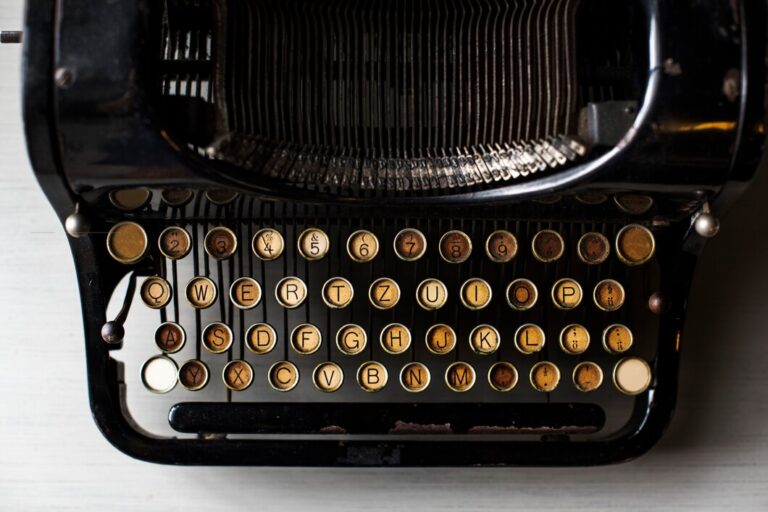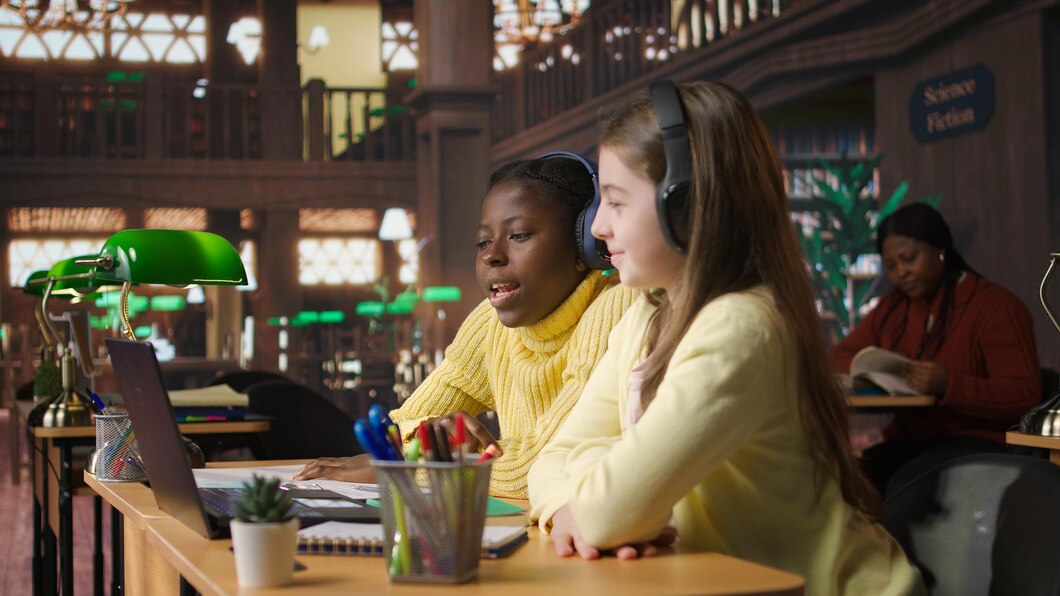
For many people who grew up in the late 1990s and early 2000s, Internet cafe nostalgia brings back memories of crowded computer rooms, the sound of keyboards clicking, glowing CRT Desktop computers paired with the unforgettable sound of a dial-up internet connection. Long before smartphones, unlimited mobile data, and home Wi-Fi became common, Internet cafes—also known as Cyber cafes—were the gateway to the online world. During Life before Wi-Fi and Life before smartphones, these cafés offered people access to email, chat rooms, online games, and the growing World Wide Web. Looking back at this era reminds us how much technology has changed and why those early online experiences continue to hold a special place in the hearts of millions.
The Birth of Internet Cafes
Before affordable home internet became widespread, many people had no way to access the internet from their own homes. This created the perfect opportunity for internet cafes to emerge in cities and towns around the world.
Customers paid by the hour to use desktop computers connected to the internet. These cafés became gathering places where students completed assignments, travelers checked email, gamers competed with friends, and families communicated with relatives overseas.
The History of internet cafes reflects an important stage in the evolution of digital communication, helping millions experience the internet for the very first time.
Life Before Wi-Fi
Today’s world is filled with wireless internet, but Life before Wi-Fi looked completely different.
Internet access depended on:
- Wired telephone connections
- Desktop computers
- Internet service providers
- Shared public computers
- Limited connection speeds
You couldn’t simply pull out a phone to search for directions, watch videos, or send messages. Instead, people planned their online activities and often waited until they could visit an internet café or return home.
Life Before Smartphones
It is difficult for younger generations to imagine Life before smartphones.
There were no:
- Mobile apps
- Social media notifications
- Video calls on demand
- GPS navigation
- Mobile banking
- Streaming music everywhere
Instead, people relied on printed maps, phone books, public telephones, and desktop computers for information and communication.
The internet was a destination rather than something constantly available in your pocket.
Why Internet Cafes Became So Popular
Many people wonder Why internet cafes were so popular.
Several reasons contributed to their success:
- Home internet was expensive.
- Many families didn’t own computers.
- Travelers needed internet access.
- Students required computers for schoolwork.
- Online gaming was growing rapidly.
- International communication became easier.
Internet cafés offered affordable access to technology that many people couldn’t yet afford at home.
The Classic Internet Cafe Experience
Walking into an internet café was an experience unlike anything today.
The typical Internet cafe experience included:
- Rows of desktop computers
- Large CRT monitors
- Computer towers beneath desks
- Wired keyboards and mice
- Headphones hanging beside screens
- Printed pricing boards
- Snack counters
- Dim lighting
- Constant keyboard sounds
Many cafés stayed open late into the night, especially those popular with gamers.
Dial-Up Internet Days
One sound instantly transports many millennials back in time—the familiar tone of a Dial-up connection.
Connecting to the internet required:
- Telephone lines
- Modems
- Patience
The modem produced distinctive electronic sounds while establishing a connection.
Once connected, users hoped nobody picked up the home telephone because doing so often disconnected the internet entirely.
These slow speeds became one of the defining memories of the Early internet days.
Browsing the Web Before Mobile Internet
Browsing the web before mobile internet required planning.
People visited internet cafés to:
- Read news
- Search information
- Send emails
- Download files
- Print documents
- Chat online
- Browse websites
Every minute mattered because computer time usually cost money.
Unlike today, there was little endless scrolling because internet access itself was limited.
Yahoo Messenger Changed Everything
For many users, Yahoo Messenger became their first experience with instant messaging.
Features included:
- Private chats
- Voice messages
- Status updates
- Custom emoticons
- File sharing
- Chat rooms
Seeing friends come online after school became part of many daily routines.
MSN Messenger Memories
Few programs define the 2000s internet quite like MSN Messenger.
People remember:
- Display pictures
- Personalized status messages
- Nudge feature
- Animated emojis
- Song sharing
- Group conversations
Many friendships and even relationships began through MSN Messenger conversations.
ICQ: The Original Messenger
Before modern messaging apps, ICQ introduced millions of users to instant messaging.
Receiving a unique user number instead of simply adding a phone number felt revolutionary.
Its famous notification sound remains instantly recognizable to many longtime internet users.
Email Was Exciting
Receiving an email once felt like a major event.
Many people checked email only once every few days because internet access wasn’t always available.
Popular email services included:
- Yahoo Mail
- Hotmail
- Gmail (later)
- Rediffmail in some regions
Unlike today’s overflowing inboxes, every message seemed important.
Internet Browsing History Looked Different
Modern browsers automatically sync across devices, but Internet browsing history was much simpler.
Popular browsers included:
- Internet Explorer
- Netscape Navigator
- Opera
- Mozilla Firefox
Websites loaded slowly, images appeared line by line, and videos required long buffering times.
The Rise of LAN Gaming
One of the biggest attractions inside internet cafés was LAN gaming.
Local Area Networks connected multiple computers together, allowing friends to compete in real time.
Unlike online gaming today, players sat beside each other, making victories and defeats much more exciting.
Counter-Strike in Internet Cafes
Few games represent internet café culture better than Counter-Strike in internet cafes.
Groups of friends gathered after school or work to compete in team-based matches.
The atmosphere often included:
- Friendly rivalries
- Loud celebrations
- Team strategies
- Keyboard shortcuts
- Long gaming sessions
These gaming communities became lifelong memories for many players.
Beyond Counter-Strike
Internet cafés also popularized games like:
- Warcraft III
- Age of Empires
- Need for Speed
- Quake
- StarCraft
- FIFA
- Call of Duty
Many friendships were built around these shared gaming experiences.
The Social Side of Cyber Cafes
Unlike today’s isolated smartphone use, Cyber cafe culture before social media encouraged face-to-face interaction.
Friends often:
- Visited together
- Played games side by side
- Shared discoveries
- Helped each other solve computer problems
- Celebrated gaming victories
Technology actually encouraged more in-person interaction than many people realize.
Internet Before Smartphones
Looking back at the Internet before smartphones, online activity required intentional effort.
People couldn’t instantly:
- Check notifications
- Browse social media
- Watch videos anywhere
- Send photos instantly
Instead, internet sessions had clear beginnings and endings.
This naturally created a healthier balance between digital life and real-world experiences.
Early Internet Days Felt Like Exploration
The Early internet days felt exciting because every website seemed like a new discovery.
People explored:
- Personal websites
- Fan pages
- Forums
- Online directories
- Chat rooms
- Flash games
There was a genuine sense of curiosity because the internet was still growing rapidly.
Retro Internet Culture
Retro internet culture had its own unique personality.
Popular elements included:
- Animated GIFs
- Visitor counters
- Colorful backgrounds
- MIDI music
- Flash animations
- Pixel art
- Guestbooks
Websites were often creative, personal, and experimental rather than highly polished.
Old Internet Culture Was Simpler
Today’s internet revolves around algorithms and endless content feeds.
In contrast, Old internet culture emphasized communities.
People joined:
- Discussion forums
- Fan communities
- Hobby websites
- Message boards
- Online clubs
These smaller communities often felt more personal.
90s Internet Memories
The 90s internet represented a period of incredible discovery.
Common memories include:
- AOL CDs
- Dial-up sounds
- Slow downloads
- Basic search engines
- Early chat rooms
- Pixelated graphics
Every successful connection felt exciting because internet access itself remained a luxury.
2000s Internet Revolution
The 2000s internet brought major improvements.
Broadband connections slowly replaced dial-up, websites became more interactive, and online gaming expanded dramatically.
This decade introduced:
- YouTube
- Wikipedia
- Early Facebook
- Blogging
- Better search engines
Internet cafés continued thriving as demand for online access increased.
Technology Nostalgia
Looking back creates strong feelings of Technology nostalgia because early technology required patience and curiosity.
People remember:
- Burning CDs
- Installing software manually
- Computer magazines
- Floppy disks
- Computer repair shops
- Desktop wallpapers
These experiences helped shape an entire generation of technology users.
Retro Computing
Enthusiasts continue celebrating Retro computing by restoring classic computers and preserving vintage software.
Older operating systems such as Windows 95, Windows 98, and Windows XP remain popular among collectors.
Retro computing reminds us how rapidly technology has evolved.
Vintage Internet
The Vintage internet feels charming compared to today’s polished digital world.
Many classic websites featured:
- Simple HTML layouts
- Bright colors
- Scrolling text
- Animated buttons
- Guestbooks
- Frames
Although primitive by today’s standards, these websites reflected creativity and experimentation.
Internet Cafe Memories That Never Fade
Everyone has their own Internet cafe memories.
Some remember:
- Waiting for an available computer
- Printing school assignments
- Playing games after class
- Chatting with overseas relatives
- Downloading music overnight
- Meeting friends every weekend
These everyday experiences became meaningful parts of growing up.
Memories of Internet Cafes in the 90s and 2000s
The Memories of internet cafes in the 90s and 2000s remain special because they combined technology with community.
Unlike today’s private devices, internet cafés brought strangers together.
Students studied beside gamers.
Travelers sat beside business professionals.
Everyone shared the same digital space.
How People Used the Internet Before Smartphones
Many younger users wonder How people used the internet before smartphones.
Most online activities happened through desktop computers.
Typical tasks included:
- School research
- Online chatting
- Printing documents
- Gaming
- Reading news
- Downloading software
People logged off when they finished because internet access wasn’t constant.
The Rise and Fall of Internet Cafes
The Rise and fall of internet cafes closely followed technological progress.
Several developments reduced demand:
- Affordable laptops
- Home broadband
- Smartphones
- Public Wi-Fi
- Mobile internet
- Cloud services
As internet access became available almost everywhere, fewer people needed public computer facilities.
Although many cafés disappeared, some survived by focusing on esports and high-performance gaming.
Internet Cafe Nostalgia for Millennials
Perhaps no generation feels Internet cafe nostalgia for millennials more strongly.
Millennials experienced both worlds:
- Growing up without smartphones.
- Watching the internet evolve.
- Seeing social media emerge.
- Experiencing gaming culture firsthand.
- Witnessing rapid technological change.
These memories represent an important chapter in digital history.
Classic Internet Experience
The Classic internet experience was slower but often more intentional.
People appreciated every online session because internet access wasn’t unlimited.
Instead of constant notifications, users enjoyed focused browsing, meaningful conversations, and memorable gaming sessions.
That slower pace created experiences many still remember fondly today.
Conclusion
Looking back on Internet cafe nostalgia reminds us of a unique era when the internet was something people actively sought out rather than something that constantly surrounded them. During Life before Wi-Fi and Life before smartphones, Internet cafes played a vital role in connecting people with information, friends, and the rapidly expanding digital world. From the unforgettable sound of a Dial-up connection and rows of CRT computers to hours spent on Yahoo Messenger, MSN Messenger, ICQ, and intense LAN gaming sessions featuring Counter-Strike in internet cafes, these experiences shaped an entire generation’s relationship with technology.
Although today’s high-speed internet, smartphones, and cloud services have transformed how we connect, the memories of the 90s internet, 2000s internet, and Cyber cafes continue to evoke a sense of warmth and appreciation. The Rise and fall of internet cafes reflects how quickly technology evolves, but the friendships, discoveries, and excitement of exploring the Vintage internet remain timeless. For many people, this chapter of Internet history represents more than technological progress—it symbolizes curiosity, community, and the unforgettable magic of the early online world.
About the Author