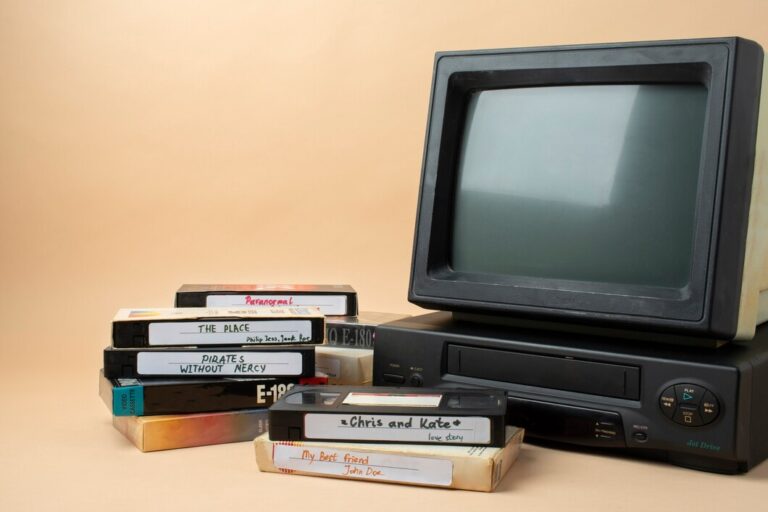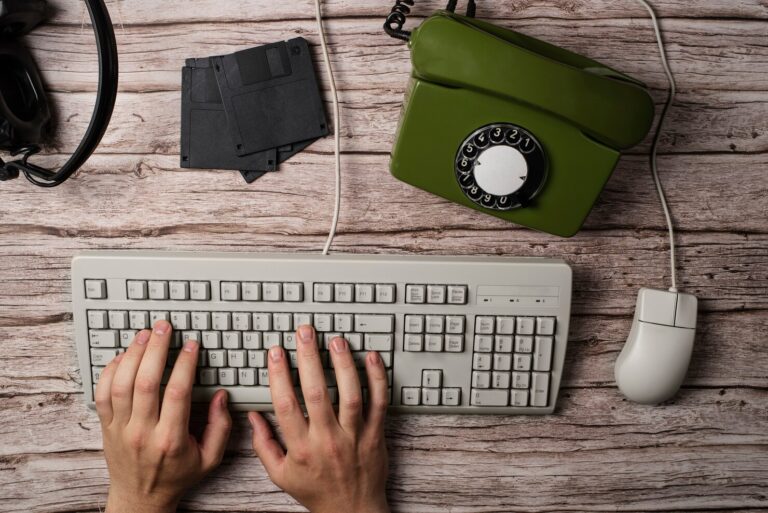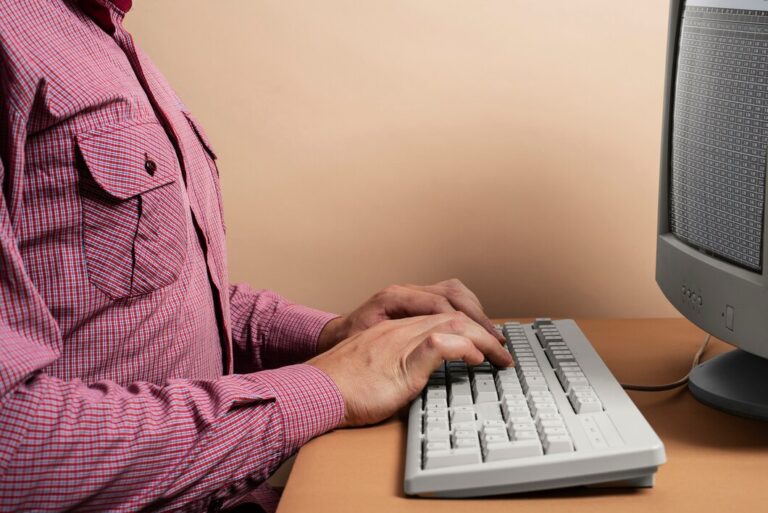
The history of personal computing is filled with fascinating inventions that transformed how people worked, communicated, learned, and enjoyed entertainment. Many of the devices we use today have their roots in earlier technologies that once seemed revolutionary. Exploring classic computer gadgets offers a glimpse into the evolution of modern computing and shows how creative inventions shaped the digital world. From mechanical keyboards and floppy disks to computer mice and external modems, these devices played important roles in making computers more useful and accessible.
Before wireless accessories, cloud storage, and touchscreen devices became common, computer users depended on a wide range of physical gadgets to perform everyday tasks. Some of these products improved typing and navigation, while others made it possible to store information, listen to music, connect to the internet, and share files.
Many old computer gadgets have disappeared from everyday use, but their influence remains visible in modern technology. Vintage PC gadgets also attract collectors, technology enthusiasts, and people interested in the history of personal computers.
In this article, we explore 30 memorable computer gadgets that helped shape the development of technology. These retro computer accessories are grouped into input devices, storage devices, audio equipment, and communication tools to make their history easier to understand.
What Counts as a Classic Computer Gadget?
A classic computer gadget is a device or accessory that played a memorable role in the development of personal computing. It may have introduced a new way to interact with computers, improved storage capacity, supported communication, or made digital entertainment more accessible.
Some gadgets became popular because they solved problems that computer users regularly faced. Others introduced features that were completely new at the time.
For example, the computer mouse made navigating graphical interfaces easier, while the floppy disk allowed users to carry information between different computers. External modems made internet connectivity possible for ordinary households before broadband became widely available.
Classic computer accessories can generally be divided into four categories:
- Input devices: Equipment used to enter commands, text, and other information.
- Storage devices: Gadgets designed to save, transfer, and organize digital files.
- Audio gadgets: Accessories used for sound recording, playback, and communication.
- Communication devices: Equipment that connected computers to networks and other systems.
Understanding these categories helps explain how individual inventions contributed to the development of modern computers.
30 Classic Computer Gadgets That Changed Technology
Category 1: Classic Computer Input Devices
Input devices allow users to communicate with computers by entering information, selecting commands, and controlling software. Many early input gadgets introduced interaction methods that remain important today.
1. Mechanical Computer Keyboard
vintage IBM mechanical computer keyboard beige 1980s.
The mechanical keyboard is one of the most recognizable computer accessories in computing history. Early personal computers commonly used physical keyboards with individual switches beneath their keys.
Unlike many modern membrane keyboards, mechanical keyboards use separate switching mechanisms to register keystrokes. Some classic models became famous for their distinctive typing sound, tactile feedback, and durable construction.
The IBM Model M, introduced in the 1980s, became particularly influential among computer enthusiasts. Its buckling-spring mechanism provided a noticeable response when pressing keys.
Mechanical keyboards remain popular today among gamers, programmers, writers, and vintage computing collectors.
2. The Original Computer Mouse
vintage 1980s three button beige wired computer mouse.
The computer mouse transformed how people interacted with personal computers. Before graphical interfaces became common, users mainly entered commands through keyboards.
Early mouse designs used mechanical components to detect movement. A ball inside the device rotated as the mouse moved across a surface, allowing the computer to track its position.
The mouse became increasingly important as graphical operating systems introduced icons, menus, and windows.
Although modern mice often use optical or laser sensors, the original concept remains an essential part of desktop computing.
3. Joystick
vintage Atari classic computer joystick retro gaming controller. Joysticks were among the earliest popular accessories for computer gaming. They allowed users to control movement by pushing a physical stick in different directions.
During the 1980s and 1990s, joysticks were frequently used with home computers and gaming systems.
They were especially useful for flight simulators, arcade-style games, and racing titles that required directional control.
Although gamepads and specialized controllers have replaced many traditional joysticks, they remain popular among retro gaming enthusiasts.
4. Trackball Mouse
vintage Logitech wired trackball computer mouse 1990s.
A trackball is an alternative pointing device that uses a movable ball to control the cursor. Instead of moving the entire device across a desk, users rotate the exposed ball with their fingers or thumb.
Trackballs were useful when desk space was limited or when precise cursor movement was necessary.
Some older computer systems and specialized workstations used trackballs for navigation and design-related tasks.
Modern trackball devices continue to serve users who prefer stationary pointing equipment.
5. Light Pen
vintage computer light pen CRT monitor 1980s.
The light pen was an interesting input gadget that allowed users to interact directly with certain computer displays.
It worked with compatible cathode-ray tube (CRT) screens by detecting the position of the electron beam as it scanned the display.
Users could point at objects, select options, or create drawings without relying entirely on a mouse or keyboard.
Light pens were used in specialized computing environments, design applications, and early graphical systems.
Although touchscreen technology eventually provided a more practical approach to direct screen interaction, the light pen was an important step in the development of human-computer interfaces.
6. Graphics Tablet
vintage Wacom graphics drawing tablet stylus 1990s.
Graphics tablets allowed artists and designers to create digital drawings using a stylus and pressure-sensitive surface.
Early models helped introduce digital illustration and computer-aided design to more professionals.
Unlike ordinary mice, graphics tablets offered more natural control over drawing movements. Some devices could also detect pressure and stylus position.
Their influence can be seen in modern digital art equipment used by illustrators, animators, architects, and designers.
7. Numeric Keypad
vintage external computer numeric keypad beige wired 1990s. External numeric keypads were useful accessories for computers that lacked dedicated number-entry sections.
They provided a separate group of numerical keys, making calculations and data entry easier.
These gadgets were particularly helpful for accountants, office workers, and professionals who regularly worked with spreadsheets.
Although full-size keyboards now commonly include built-in numeric sections, external keypads remain useful for compact laptop users.
8. Gamepad Controller
classic retro PC gamepad controller 1990s wired.
Gamepads helped make computer gaming more comfortable and accessible.
Early PC game controllers borrowed ideas from console controllers, offering directional controls and physical buttons.
They were especially useful for platform games, fighting games, sports simulations, and racing titles.
As computer gaming developed, gamepads became more sophisticated, eventually introducing analog sticks, vibration feedback, and wireless connectivity.
Their development helped establish the controller designs used by modern gaming systems.
Category 2: Classic Computer Storage Gadgets
Storage technology has changed dramatically over the decades. Earlier computers relied on physical storage media with limited capacity, but these gadgets made it possible to save programs, documents, photographs, and other information.
9. Floppy Disk
vintage 3.5 inch floppy disks colorful retro computer storage. The floppy disk was one of the most important storage inventions in personal computing history.
Early floppy disks were available in larger formats, including 8-inch and 5.25-inch versions. The smaller 3.5-inch format later became widely recognized because of its protective plastic casing.
Users could save documents, transfer files, install software, and create backups using floppy disks.
Although their storage capacity was extremely limited compared with modern devices, floppy disks made portable digital storage practical for millions of computer users.
10. CD-ROM Drive
vintage beige internal IDE CD ROM computer drive 1990s.
CD-ROM drives changed how people installed software and accessed digital information.
A CD-ROM could store far more data than a standard floppy disk, making it useful for distributing computer games, educational programs, encyclopedias, and multimedia content.
During the 1990s, many desktop computers included built-in CD-ROM drives.
They also helped popularize multimedia computing by allowing users to combine text, photographs, music, animation, and video on a single disc.
11. External Zip Drive
Iomega Zip 100 external drive purple vintage computer” aspectRatio.
The Iomega Zip drive became a popular storage accessory during the 1990s.
It used special removable disks that offered significantly more storage space than traditional floppy disks.
The original Zip 100 format stored approximately 100 MB of information, which was useful for transferring large files and creating backups.
For users who regularly handled graphics, documents, and multimedia projects, Zip drives provided a convenient storage solution.
Eventually, inexpensive CD writers, USB flash drives, and other storage technologies reduced demand for Zip disks.
12. Internal Hard Disk Drive
vintage 1990s desktop computer internal IDE hard disk drive. Hard disk drives became essential components of personal computers because they provided permanent storage for operating systems, software, and personal files.
Early personal computers often had much smaller storage capacities than modern systems.
Over time, improvements in magnetic recording technology allowed manufacturers to produce drives with increasingly larger capacities.
Hard disks helped transform computers from machines that relied heavily on removable media into devices capable of storing large collections of information.
Traditional hard disk drives remain in use today, although solid-state drives have become increasingly common.
13. CD-R and CD-RW Writer
vintage 1990s internal computer CD RW burner optical drive. CD writers allowed users to create their own optical discs instead of depending entirely on commercially produced CDs.
CD-R discs could generally be recorded once, while CD-RW discs supported erasing and rewriting information.
These devices became popular for backing up files, creating music collections, sharing photographs, and distributing personal projects.
Before USB storage became affordable and widespread, CD writers were an important way to exchange larger collections of digital information.
14. USB Flash Drive
early vintage USB flash drives 2000s collection.
The USB flash drive changed portable storage by making file transfers simpler and more convenient.
Unlike floppy disks and optical discs, USB drives used flash memory and connected directly to a computer’s USB port.
Early models offered relatively small storage capacities, but they were easier to carry and reuse.
Over time, USB flash drives became available in increasingly larger capacities and different physical designs.
They replaced many older portable storage gadgets and remain useful for transferring documents, installers, and backup files.
15. External SCSI Hard Drive
vintage external SCSI hard disk drive enclosure beige 1990s. External SCSI hard drives were important storage solutions for professionals and organizations that needed additional capacity.
SCSI, or Small Computer System Interface, allowed compatible devices to communicate with computers through a dedicated connection.
These drives were commonly used with workstations, servers, and professional computing systems.
Although modern USB and network-connected storage solutions are more convenient, older SCSI equipment remains interesting to vintage computer enthusiasts.
16. Tape Backup Drive
vintage computer tape backup drive cartridge DAT DDS 1990s. Tape backup drives provided a way to store large amounts of computer information on magnetic tape.
They were widely used by businesses and organizations that needed to preserve important data.
Unlike floppy disks, tape systems were designed primarily for backup and long-term data storage rather than everyday file access.
Even today, magnetic tape remains relevant in enterprise data centers because of its high capacity and suitability for long-term archival storage.
Category 3: Classic Computer Audio and Multimedia Gadgets
As computers developed, audio and multimedia equipment became increasingly important. These gadgets allowed users to listen to music, record sound, participate in online conversations, and enjoy more immersive entertainment.
17. Internal Sound Card
vintage Creative Sound Blaster ISA sound card 1990s. Early personal computers had limited audio capabilities.
Sound cards changed this by allowing computers to produce more advanced sounds, music, and audio effects.
The Sound Blaster family became especially influential among PC users during the 1990s.
Sound cards helped improve computer gaming, multimedia software, and digital music playback.
Although modern motherboards usually include integrated audio, dedicated sound cards remain available for users who want specialized audio features.
18. Desktop Computer Speakers
classic beige multimedia computer speakers 1990s vintage. External computer speakers made it possible to enjoy sound without depending on the basic internal speaker found in early PCs.
During the multimedia boom of the 1990s, desktop speakers became common accessories for home computers.
Users could listen to music, enjoy game soundtracks, watch educational videos, and experience software with audio features.
Some vintage speaker systems included separate subwoofers and volume controls.
Modern speakers are more compact and often support Bluetooth, but their basic purpose remains unchanged.
19. Computer Headphones
vintage wired over ear computer headphones 1990s.
Computer headphones became useful accessories for people who wanted private audio without disturbing others.
They were commonly used for gaming, music playback, educational software, and online communication.
Older models generally featured wired connections and simple audio controls.
As computers became more multimedia-focused, headphones became increasingly important for home and office use.
Today, they are available in wired, wireless, noise-cancelling, and gaming-specific designs.
20. Computer Microphone
vintage desktop computer microphone 1990s beige stand.
External microphones helped users record their voices and communicate through computers.
During the early internet era, microphones became increasingly useful for voice chat, online gaming, language-learning programs, and multimedia projects.
Some older microphones connected through dedicated audio ports and came with adjustable desktop stands.
Modern microphones offer improved recording quality and are widely used for video meetings, podcasts, streaming, and voice recording.
21. MIDI Keyboard
vintage 1990s MIDI music keyboard controller connected computer. MIDI keyboards helped musicians control digital instruments and music software.
MIDI stands for Musical Instrument Digital Interface, a standard that allows electronic musical equipment to exchange performance information.
Rather than transmitting recorded sound itself, MIDI communicates musical instructions such as notes, timing, and velocity.
These keyboards helped make computer-based music production more accessible and encouraged the development of digital recording studios.
MIDI technology remains important in modern music production.
22. Webcam
Connectix QuickCam vintage 1990s computer webcam. Early webcams introduced the idea of sharing live images through personal computers.
One notable example was the Connectix QuickCam, which helped bring webcam technology to ordinary computer users during the 1990s.
Early webcams had low image resolutions compared with modern equipment, but they opened new possibilities for video communication.
As internet speeds improved, webcams became essential accessories for video calls, remote meetings, online education, and content creation.
23. TV Tuner Card
vintage PCI computer TV tuner card 1990s. TV tuner cards allowed compatible computers to receive television signals.
Users could watch television programs directly on their computer monitors, combining entertainment and computing in a single device.
Some models also supported video recording and capturing television content.
These accessories were especially attractive to people interested in multimedia computers.
Modern streaming services and digital television devices have reduced the need for traditional internal TV tuner cards.
Category 4: Classic Computer Communication Gadgets
Communication devices played an important role in connecting personal computers to the outside world. They helped transform computers from isolated machines into tools for exchanging information across networks.
24. Dial-Up Modem
vintage external 56k dial up modem computer 1990s.
The dial-up modem was one of the most memorable gadgets from the early internet era.
It allowed computers to connect to the internet through ordinary telephone lines.
When users connected, the modem produced distinctive electronic sounds while establishing communication with an internet service provider.
Dial-up connections were much slower than modern broadband services, but they made online communication accessible to ordinary households.
For many people, the sound of a dial-up modem remains a nostalgic reminder of their first internet experience.
25. Ethernet Network Card
vintage 1990s PCI ethernet network interface card RJ45.
Ethernet network cards allowed personal computers to connect to local area networks.
They became increasingly important in offices, educational institutions, and homes where multiple computers needed to communicate.
Users could share files, printers, and internet connections through network infrastructure.
Ethernet technology remains widely used today, although network cards are generally integrated into modern computer motherboards.
26. Infrared Adapter
vintage USB infrared IrDA computer adapter dongle 2000s.
Infrared adapters allowed compatible devices to exchange information using infrared light.
Before Bluetooth became widely available, infrared communication was used to transfer files between certain computers, mobile phones, and other electronic devices.
These connections generally required devices to remain close together and maintain a suitable line of sight.
Infrared technology eventually lost popularity as wireless standards became more convenient and flexible.
27. PCMCIA Network Card
vintage PCMCIA laptop network card 1990s Ethernet modem. PCMCIA cards were designed to expand the capabilities of portable computers.
They allowed laptop users to add networking, modem connectivity, and other hardware functions through dedicated expansion slots.
These cards were especially useful when early laptops lacked built-in wireless networking or other modern connectivity features.
Their popularity declined as manufacturers began integrating more components directly into laptops.
28. Bluetooth USB Adapter
early Bluetooth USB dongle adapter vintage 2000s.
Bluetooth USB adapters brought wireless connectivity to computers that did not have built-in Bluetooth support.
They allowed users to connect compatible keyboards, mice, headphones, mobile phones, and other accessories without relying on cables.
Early adapters were relatively small and plugged directly into USB ports.
As Bluetooth became a standard feature in computers and laptops, external adapters became less necessary.
29. Parallel Port Printer Adapter
vintage parallel printer port adapter DB25 computer cable 1990s. Parallel port adapters and cables were important accessories during the early personal computer era.
Many older printers connected to desktop computers through parallel ports.
These connections allowed computers to send document and image information to printers.
Although USB gradually replaced parallel connections in most consumer computers, parallel ports remained important in older office equipment and specialized industrial systems.
30. External USB Hub
vintage early USB 4 port external hub transparent plastic 2000s. As computers began supporting more USB accessories, external USB hubs became useful expansion gadgets.
They allowed users to connect several devices through a single USB port.
This was especially helpful for people using printers, keyboards, mice, scanners, cameras, and external storage devices.
Early hubs were generally simple, but modern versions support faster data transfer, charging, and multiple connection standards.
USB hubs continue to be useful accessories for laptops and desktop computers.
Which Classic Computer Gadgets Have Disappeared?
Many older computer gadgets have become uncommon because newer technologies offer better performance, convenience, and affordability.
However, some have disappeared almost completely from everyday personal computing.
Here are a few examples:
| Classic gadget | Why it disappeared or declined |
| Floppy disk | Replaced by USB drives, optical media, and cloud storage |
| Dial-up modem | Replaced by broadband and mobile internet |
| Light pen | Replaced by mice, touchscreens, and modern styluses |
| Zip drive | Replaced by inexpensive flash storage |
| Infrared adapter | Replaced by Bluetooth and Wi-Fi |
| PCMCIA network card | Replaced by integrated wireless connectivity |
| Parallel port adapter | Replaced by USB and network printing |
| CD-ROM drive | Reduced by digital downloads and streaming |
These changes demonstrate how quickly computer technology evolves.
Devices that were once essential can become unnecessary when a better solution appears. Nevertheless, many older technologies introduced ideas that continue to influence modern products.
Why Vintage PC Gadgets Still Attract Collectors
Classic computer accessories are more than outdated electronic equipment. For collectors, they represent important moments in the history of technology.
Some people collect old gadgets because they remember using them during childhood. Others are interested in understanding how earlier computer systems worked.
There are several reasons why vintage PC gadgets remain popular.
1. Nostalgia and Personal Memories
Many collectors associate old computer equipment with their first experiences using technology.
A mechanical keyboard, floppy disk, or dial-up modem can remind someone of their childhood, school computer laboratory, or first home computer.
These personal memories make vintage accessories meaningful beyond their technical value.
2. Historical Importance
Certain gadgets introduced technologies that changed the computer industry.
For example, early computer mice helped establish graphical interaction, while floppy disks made portable storage more practical.
Collectors often preserve these devices because they represent important stages in technological development.
3. Unique Designs
Older computer gadgets frequently featured distinctive shapes, colors, buttons, and mechanical components.
Beige computer cases, transparent accessories, colorful controllers, and unusual keyboard designs have become recognizable features of retro computing.
Some collectors appreciate these products because modern electronics often follow more standardized designs.
4. Interest in Retro Computing
Retro computing involves using, restoring, and studying older computer systems.
Enthusiasts may collect vintage accessories to operate classic computers, play older games, run historical software, or recreate earlier computing environments.
This hobby helps preserve knowledge about the development of personal computing.
5. Rarity and Collectible Value
Certain discontinued gadgets can become difficult to find, especially when they are preserved in working condition with their original packaging and accessories.
However, not every old computer gadget is valuable. Collectible prices depend on factors such as rarity, demand, condition, manufacturer, and historical significance.
People interested in collecting should research products carefully before purchasing them.
How to Start Collecting Classic Computer Gadgets
Starting a vintage computer collection does not require a large budget. You can begin with a few interesting accessories and gradually expand your collection.
Here are some practical suggestions:
- Choose a category: Start with keyboards, storage devices, gaming accessories, or communication equipment.
- Research the history: Learn about manufacturers, release periods, and the original purpose of each device.
- Check the condition: Look for damaged cables, missing parts, corrosion, and signs of poor storage.
- Verify compatibility: Some vintage accessories require specific operating systems, connectors, or drivers.
- Store equipment carefully: Keep devices away from moisture, dust, and excessive heat.
- Buy responsibly: Compare prices and check whether the equipment is complete and functional.
When restoring old electronics, use appropriate safety precautions. Older equipment may contain damaged batteries, failing power supplies, or components that require professional attention.
Conclusion
The history of personal computing is shaped by countless inventions that made technology more accessible, practical, and entertaining. From the mechanical keyboard and computer mouse to floppy disks, sound cards, and dial-up modems, classic computer gadgets helped establish many of the features people now take for granted.
Although most of these old computer gadgets have been replaced by faster and more convenient alternatives, their influence continues in modern computers, smartphones, and digital accessories.
For technology enthusiasts, vintage PC gadgets offer an opportunity to explore the past and understand how earlier innovations shaped today’s digital world. Whether you collect retro computer accessories for nostalgia, historical interest, or hands-on experimentation, each device tells a story about the creativity and engineering that moved computing forward.
These 30 classic gadgets remind us that modern technology did not develop overnight. It evolved through decades of experimentation, improvement, and invention, with each generation building on the ideas of the previous one.
About the Author