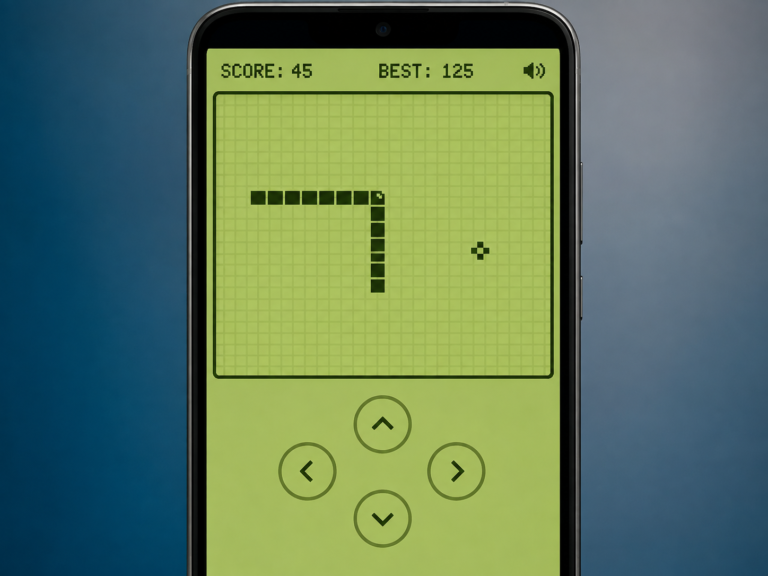
Gaming has changed dramatically over the decades, from simple electronic experiments and mechanical controls to advanced consoles, realistic simulations, and immersive virtual experiences. One of the most important parts of this transformation is the joystick history, which explains how a simple directional control became an essential part of gaming technology. The development of the joystick influenced the way players interact with games, control characters, operate aircraft, and explore digital environments. Through continuous joystick evolution, the traditional arcade joystick, computer joystick, and modern gaming joystick have introduced new ways to improve precision, responsiveness, and player experience. Although today’s gaming systems often use sophisticated controllers, joysticks remain an important part of gaming culture and technology.
The Early History of Joysticks: Flight Controls
Before joysticks became popular gaming accessories, they were primarily developed for controlling aircraft. Early aviation required pilots to manage the direction and movement of an aircraft using mechanical control systems.
As aviation technology advanced, engineers developed control mechanisms that allowed pilots to operate aircraft more accurately. One of these mechanisms was the joystick, which provided a convenient way to control movement using a hand-operated lever.
The Origins of Joystick Controls
The early development of joystick-style controls is connected to the history of aviation. During the early twentieth century, aircraft manufacturers experimented with different control mechanisms to help pilots manage flight direction.
A joystick allowed pilots to move a control lever in different directions, translating hand movements into aircraft responses.
This approach was more intuitive than operating multiple separate mechanical controls for every directional movement.
The term joystick became associated with these hand-operated control devices, although its exact origin and early usage are not completely settled.
How Flight Controls Influenced Gaming
The connection between aviation and gaming became important as electronic simulations and computer technology developed.
Flight simulators needed control systems that could reproduce the movement of aircraft. A joystick was a natural choice because it allowed users to control direction, movement, and other actions through a familiar physical interface.
These early applications helped establish the joystick as a useful input device beyond aviation.
The same basic concept eventually became popular in arcade machines, home computers, and gaming systems.
The Rise of the Arcade Joystick
The arcade gaming industry played a major role in making joysticks familiar to everyday players.
During the 1970s and 1980s, arcade machines became popular entertainment attractions in shopping centres, restaurants, amusement areas, and dedicated gaming halls.
Many arcade games required quick directional movements, making joysticks a practical control option.
Early Arcade Gaming Controls
Early arcade machines used different types of input devices, including buttons, knobs, paddles, and joysticks.
The choice depended on the type of game being played.
For example, games involving aircraft, spaceships, or moving characters often benefited from directional controls. A joystick allowed players to move objects up, down, left, and right without needing separate buttons for every direction.
This made arcade games easier to control and helped create a more interactive gaming experience.
The Popularity of the Arcade Joystick
The arcade joystick became especially recognizable because of its simple design.
A traditional arcade control system usually included:
- A vertical lever that players could move in different directions.
- A base that held the joystick securely.
- Directional switches that detected movement.
- Large action buttons for performing in-game commands.
- A control panel designed for repeated public use.
These joysticks were built to withstand frequent use by different players.
Their straightforward operation also made them suitable for beginners and experienced gamers.
Joysticks and Classic Arcade Games
Several popular arcade games helped establish joystick controls as an important part of gaming history.
Games such as video game 1980 arcade maze game and video game 1981 arcade platform game introduced millions of players to directional gaming controls, although they commonly used four-way joysticks or other control arrangements depending on the machine.
Meanwhile, titles such as video game 1978 arcade shooter helped popularize arcade gaming through a combination of directional movement and action buttons.
The arcade era demonstrated that a physical joystick could make games more engaging and responsive.
The Impact on Gaming Culture
Arcade machines created social gaming environments where players competed for high scores and challenged their friends.
The joystick became part of this experience because players could physically interact with the game rather than relying entirely on keyboard commands.
Arcade control layouts also influenced the design of later home gaming accessories.
The Development of Joysticks for Home Computers
As personal computers became more accessible during the late 1970s and 1980s, gaming gradually moved beyond public arcades.
People started playing games at home using personal computers, creating demand for affordable and convenient input devices.
Although keyboards were commonly used for computer games, joysticks offered a more natural way to control movement in certain genres.
The Introduction of the Computer Joystick
A computer joystick was designed to connect with a home computer and translate physical movements into digital commands.
Early home computer joysticks often featured simple directional controls and one or two action buttons.
Some models used digital switches, while others relied on analog electrical measurements to detect movement.
These devices became especially useful for games involving aircraft, vehicles, sports, and action-based movement.
Joysticks and Early Home Computer Systems
Several popular home computer platforms supported joystick accessories.
For example, the Commodore 64 product 1982 home computer became well known for its gaming capabilities and support for joystick-based controls.
Other systems, including the Atari 8-bit computers Atari personal computer family and various home microcomputers, also helped popularize joystick gaming.
Players could connect compatible controllers to their computers and enjoy games without relying entirely on keyboard input.
Why Computer Joysticks Became Popular
There were several reasons behind the growing demand for computer joysticks.
More comfortable gameplay: Players could control characters and vehicles using a physical lever instead of pressing multiple keyboard keys.
Better directional interaction: Joysticks made movement easier to manage in games requiring continuous directional input.
Greater immersion: Flight and vehicle simulation games benefited from controls that resembled real-world operating mechanisms.
Dedicated gaming experience: Using a separate controller made home gaming feel more interactive.
The development of computer joysticks represented an important stage in the wider evolution of gaming controls.
Joysticks in the Evolution of Gaming Consoles
Home gaming consoles introduced another major stage in joystick history.
During the early years of console gaming, manufacturers experimented with different controller designs to make games easier to operate.
Some systems used simple joysticks, while others introduced paddle controls, directional buttons, and multifunction controllers.
Early Console Joystick Designs
The Atari 2600 disambig 1977 home video game console became one of the most influential early home gaming systems.
Its original controller featured a single joystick and one action button.
The design was simple but effective. Players could move the joystick in different directions to control characters and objects on the screen.
This straightforward arrangement helped introduce joystick-based gaming to households around the world.
The Shift Toward Directional Pads
As console technology advanced, manufacturers began experimenting with more compact controller designs.
Directional pads, commonly called D-pads, became popular because they provided a smaller alternative to traditional joystick levers.
The Nintendo Entertainment System (NES) 1983 home video game console helped popularize this approach with its rectangular controller featuring a directional pad and action buttons.
This design worked particularly well for platform games, adventure titles, and other genres requiring precise directional input.
The Introduction of Analog Sticks
One of the most important developments in console controller design was the introduction of analog sticks.
Unlike traditional digital joysticks, which generally detect fixed directional states, analog sticks can measure different degrees of movement.
This allows players to control movement speed, direction, and intensity more gradually.
The Nintendo 64 1996 home video game console introduced a prominent analog stick in its controller, helping make analog movement a central part of 3D console gaming.
Later systems expanded this approach with dual analog sticks, which became an important standard for modern controllers.
Why Analog Sticks Changed Console Gaming
Analog controls made it easier to navigate three-dimensional environments.
Players could move characters slowly or quickly, adjust camera angles, and control vehicles with greater flexibility.
This was particularly useful for:
- 3D adventure games.
- Racing games.
- First-person shooters.
- Sports simulations.
- Open-world environments.
The transition from traditional joysticks to analog sticks demonstrated how controller technology could adapt to changing gaming requirements.
The Growth of Joysticks in PC Gaming
PC gaming created a separate market for specialized gaming controllers.
Unlike many console systems, personal computers supported a wide range of input devices, allowing players to choose controllers according to their preferred gaming genres.
Keyboards and mice became standard options for many PC games, but joysticks continued to serve specific purposes.
Flight Simulation and Computer Joysticks
Flight simulation games were among the strongest reasons for the continued popularity of PC joysticks.
These games attempted to reproduce aircraft movement, cockpit operations, and flight procedures.
A joystick allowed players to control aircraft movement using physical directional input.
Some advanced models also included throttle controls, trigger buttons, and additional switches.
These features made simulation experiences more realistic and engaging.
The Development of Specialized Gaming Joysticks
As PC gaming expanded, manufacturers started producing controllers designed for specific types of games.
Some common examples included:
Flight simulation joysticks: Designed for controlling aircraft in flight games and simulations.
Arcade-style joysticks: Built for fighting games, classic arcade titles, and retro gaming.
Racing control systems: Combined steering wheels, pedals, and other physical controls for driving games.
General-purpose gaming joysticks: Designed for players who preferred a traditional lever-based controller.
The development of specialized accessories allowed gamers to choose hardware that matched their preferred gaming experiences.
The Role of USB Technology
The introduction of USB connectivity made connecting gaming accessories to computers more convenient.
Older controllers sometimes required specific ports, adapters, or manual configuration.
USB connections simplified the process of attaching compatible joysticks and other accessories.
Plug-and-play support also made many devices easier to install and use.
This helped expand the availability of gaming controllers for everyday PC users.
Joysticks Versus Keyboard and Mouse Controls
Although joysticks remained useful, keyboards and mice became the preferred controls for many PC gaming genres.
For example, first-person shooters often benefited from mouse-based aiming, while strategy games relied heavily on keyboard shortcuts.
However, joysticks continued to offer advantages in flight simulations, certain racing games, arcade titles, and specialized gaming environments.
Their continued use demonstrates that no single controller design is ideal for every type of game.
Modern Joystick Technology and Gaming Controls
Modern gaming controllers combine traditional joystick concepts with advanced electronic components and improved ergonomics.
Although the appearance of joysticks has changed, their basic purpose remains the same: translating physical movement into digital instructions.
Advanced Analog Stick Technology
Modern controllers commonly include analog sticks that detect movement along multiple axes.
These controls provide smooth directional input and allow players to adjust movement according to how far they push the stick.
Many controllers also include clickable analog sticks, allowing users to activate additional commands by pressing them downward.
This design supports more complex gaming experiences without requiring a large number of separate buttons.
Hall Effect Joysticks
Some modern gaming accessories use Hall Effect sensors to detect movement through magnetic fields.
Unlike traditional potentiometer-based systems, Hall Effect designs can reduce mechanical contact within the sensing mechanism.
This can help reduce certain types of wear associated with conventional analog stick technology.
However, overall durability still depends on component quality, construction, and usage conditions.
Haptic Feedback and Adaptive Controls
Modern controllers increasingly use vibration and advanced feedback systems to make gaming more immersive.
Players may experience different vibration patterns depending on in-game events.
Some advanced controllers also offer adaptive triggers that change resistance according to the action being performed.
Although these features are not joystick mechanisms themselves, they show how modern gaming controls have developed beyond simple directional input.
Wireless Gaming Controllers
Wireless connectivity has made gaming more convenient by reducing the need for physical cables.
Many modern gaming controllers connect through Bluetooth or proprietary wireless technologies.
This allows players to sit farther from their gaming systems and enjoy a more flexible setup.
Wireless designs have become common across consoles, computers, and other gaming devices.
The Modern Legacy of Joystick Evolution
The history of joysticks is closely connected to the broader development of interactive entertainment.
Although newer input methods have become popular, traditional joysticks and their modern variations continue to serve important purposes.
Joysticks in Retro Gaming
Retro gaming has introduced a renewed interest in traditional arcade controls.
Many players enjoy using arcade-style joysticks to experience classic games in a way that resembles original arcade machines.
Modern arcade controllers often combine traditional lever designs with updated electronics and USB connectivity.
This makes it possible to use classic-style controls with contemporary computers and gaming systems.
Joysticks in Professional Simulations
Joysticks are also used beyond entertainment.
Professional training environments may use specialized control systems for aviation, industrial equipment, robotics, and simulation applications.
These systems demonstrate the continued value of physical directional controls.
Accessibility and Customization
Modern gaming hardware increasingly considers players with different physical abilities and preferences.
Customizable controls allow users to adjust button placement, sensitivity, and input configurations.
Joystick-based interfaces can be especially useful when adapted to individual needs.
The development of accessible gaming technology shows that controller design is not only about performance but also about making games easier for more people to enjoy.
The Future of Gaming Joysticks
Future gaming controls may combine traditional analog sticks with improved sensors, advanced feedback systems, and more customizable designs.
Virtual reality and augmented reality may also encourage new approaches to physical interaction.
However, the basic joystick concept is likely to remain useful because it offers a familiar and intuitive way to control movement.
Rather than disappearing completely, joysticks will probably continue adapting to different gaming technologies and user requirements.
Frequently Asked Questions (FAQs)
1. When was the joystick first invented?
Joystick-style controls developed during the early twentieth century, particularly through aviation technology. They were originally used to help pilots control aircraft before becoming popular in electronic games and computer systems.
2. What was the first gaming joystick?
There is no single universally accepted first gaming joystick because early electronic games and arcade machines experimented with several control designs. Joysticks became increasingly recognizable through early arcade systems and home consoles.
3. Why were joysticks important in arcade gaming?
Joysticks provided simple directional control, allowing players to move characters, aircraft, and other objects more naturally. They became an important part of arcade gaming because they were easy to understand and suitable for repeated use.
4. What is the difference between an arcade joystick and a computer joystick?
An arcade joystick is generally designed for arcade cabinets and features a sturdy lever with directional switches. A computer joystick is designed to connect to a personal computer and may include additional buttons, analog sensors, or specialized controls.
5. What is an analog joystick?
An analog joystick measures the degree and direction of movement rather than detecting only fixed directional positions. It allows more gradual control over movement, making it useful for modern 3D games and simulations.
6. Are joysticks still used in modern gaming?
Yes. Joysticks remain popular in flight simulations, arcade gaming, retro gaming, and specialized gaming applications. Modern controllers also commonly include analog sticks for directional movement and camera control.
7. How has joystick technology changed over time?
Joystick technology has developed from basic mechanical levers into electronic and sensor-based controllers. Modern designs may include analog sensing, Hall Effect technology, wireless connectivity, customizable controls, and improved durability.
Conclusion
The joystick history reflects the continuous development of gaming technology and human-computer interaction. What began as a practical control mechanism for aviation gradually became an important part of arcade machines, home computers, gaming consoles, and specialized PC accessories. The joystick evolution introduced more precise movement, comfortable controls, and new ways to interact with digital environments.
From the traditional arcade joystick to the modern computer joystick and advanced gaming joystick, each stage contributed something valuable to the gaming experience. Although keyboards, mice, touchscreens, and motion controls have expanded the available input options, joysticks continue to play an important role in gaming. Their long history demonstrates that even a simple control mechanism can have a lasting influence on technology, entertainment, and the future of interactive experiences.
About the Author