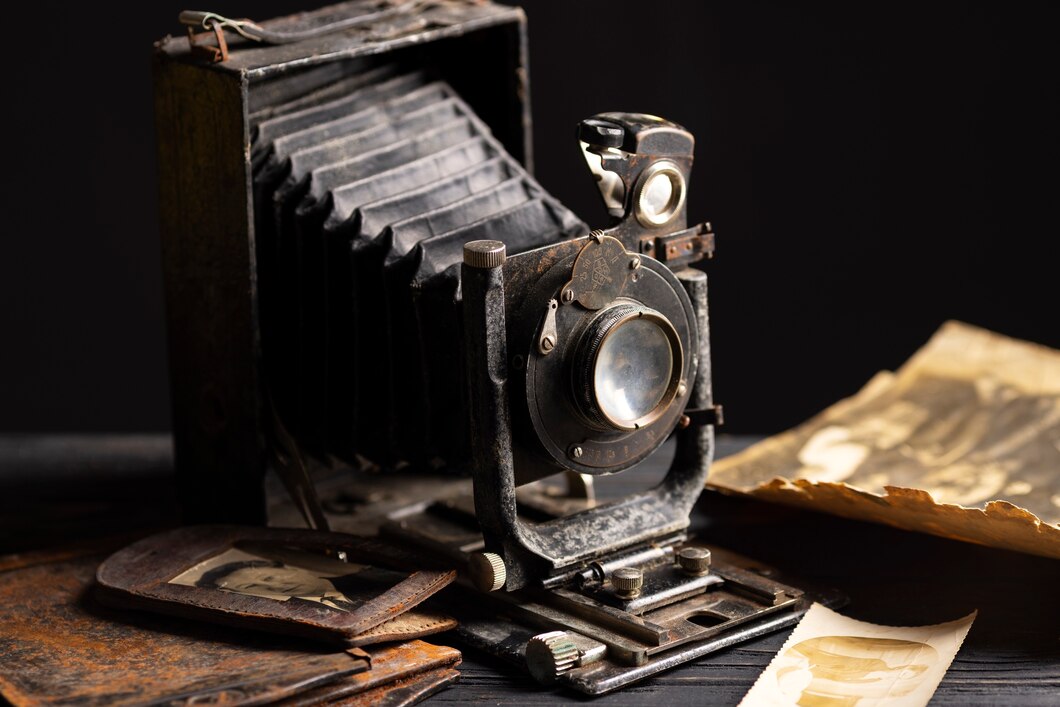
Our most treasured moments are often stored in aging photographs, VHS tapes, film reels, cassette recordings, CDs, DVDs, and other formats that naturally deteriorate over time. Preserving old media is essential if you want future generations to enjoy your family’s history and special memories. Whether you’re interested in media preservation, digital preservation, or learning how to protect old memories, taking action today can prevent permanent loss. From old photo preservation and VHS to digital conversion to digitize old photos, convert old media to digital, and preserve old videos, there are many practical ways to safeguard your memories. This comprehensive guide explores the best strategies for memory preservation, digital archiving, photo restoration, and media digitization, ensuring your valuable moments remain accessible for decades to come.
Why Preserving Old Media Matters
Time is not kind to physical media. Photographs fade, videotapes lose quality, film deteriorates, and optical discs can become unreadable. Every year that passes increases the risk of losing priceless family memories forever.
Whether it’s wedding photos, childhood videos, handwritten letters, or recordings of loved ones, these items tell your family’s unique story. Investing in media preservation ensures these irreplaceable memories survive technological changes and physical aging.
Preserving old media offers several important benefits:
- Protects irreplaceable memories
- Prevents deterioration caused by age
- Makes sharing easier with family members
- Reduces the risk of accidental loss
- Supports family history preservation
- Creates a lasting legacy for future generations
The Biggest Threats to Old Media
Understanding what damages older media helps you make better preservation decisions.
Moisture and Humidity
Excess moisture encourages mold growth, causes photographs to stick together, and damages film and magnetic tape.
Heat
High temperatures accelerate the deterioration of paper, plastic, film, and magnetic media.
Sunlight
Direct sunlight fades photographs, slides, negatives, and printed documents.
Dust and Dirt
Dust particles scratch film, photographs, DVDs, and CDs while encouraging long-term deterioration.
Improper Handling
Frequent touching, folding, bending, or writing on original photographs can permanently damage them.
Common Types of Legacy Media
Many families own various forms of legacy media that deserve preservation.
These include:
- Printed photographs
- Photo albums
- Negatives
- Slides
- VHS tapes
- VHS-C tapes
- MiniDV tapes
- Betamax tapes
- Super 8 film
- 8mm film
- Audio cassettes
- Vinyl records
- CDs
- DVDs
- Floppy disks
- External hard drives
- Handwritten journals
Each format requires different preservation techniques.
How to Preserve Old Media
If you’re wondering how to preserve old media, the answer combines proper storage with digital backup.
The basic strategy involves:
- Protect the original.
- Digitize the content.
- Organize digital files.
- Create multiple backups.
- Maintain long-term storage.
This approach provides both physical and digital protection.
Old Photo Preservation
Photographs are among the most valuable family treasures.
Proper old photo preservation starts with careful handling.
Best Practices
- Hold photos by the edges.
- Wear clean cotton gloves for valuable collections.
- Keep photos flat.
- Avoid adhesive tape.
- Never laminate original photographs.
- Store them in acid-free sleeves.
These simple habits greatly extend photo lifespan.
Protect Physical Photographs
Learning how to protect physical photographs prevents unnecessary damage.
Avoid storing photographs in:
- Damp basements
- Hot attics
- Garages
- Direct sunlight
- Plastic containers that trap moisture
Instead, choose cool, dry, and dark environments.
Archival-quality boxes provide excellent protection.
How to Store Old Photographs Properly
Many people ask how to store old photographs properly.
The ideal storage conditions include:
- Stable temperatures
- Low humidity
- Acid-free storage boxes
- Archival albums
- Polyester or polypropylene sleeves
Avoid using rubber bands, paper clips, or self-adhesive albums that can permanently damage prints.
Protecting Old Photos from Damage
Protecting old photos from damage requires minimizing environmental risks.
Helpful tips include:
- Keep photos away from water.
- Avoid handling them excessively.
- Never fold photographs.
- Store duplicates separately.
- Label storage containers clearly.
The better the physical protection, the longer the originals will last.
Digitize Old Photos
One of the smartest investments is to digitize old photos.
Digital copies preserve image quality while making photos easier to share.
Scanning photographs at high resolution allows future editing, restoration, and printing without repeatedly handling the originals.
Recommended scan resolutions:
- 300 DPI for regular viewing
- 600 DPI for printing
- 1200 DPI for archival purposes
Digital Photo Library
After scanning, organize images into a digital photo library.
Create folders using:
- Years
- Family members
- Events
- Holidays
- Vacations
- Birthdays
Consistent organization makes future searching much easier.
Photo Organization Tips
Good photo organization saves countless hours later.
Use meaningful filenames instead of generic names like:
IMG001.jpg
Instead use:
- 1998_Family_Reunion.jpg
- Grandma_80th_Birthday.jpg
- Wedding_Anniversary_2005.jpg
Adding metadata and keywords further improves searchability.
Archive Family Photos
To archive family photos successfully, follow the “3-2-1 backup rule.”
Keep:
- Three copies
- On two different storage devices
- One copy stored off-site or in the cloud
This strategy protects against hardware failure, theft, fire, and accidental deletion.
VHS to Digital
Old VHS tapes gradually lose picture quality.
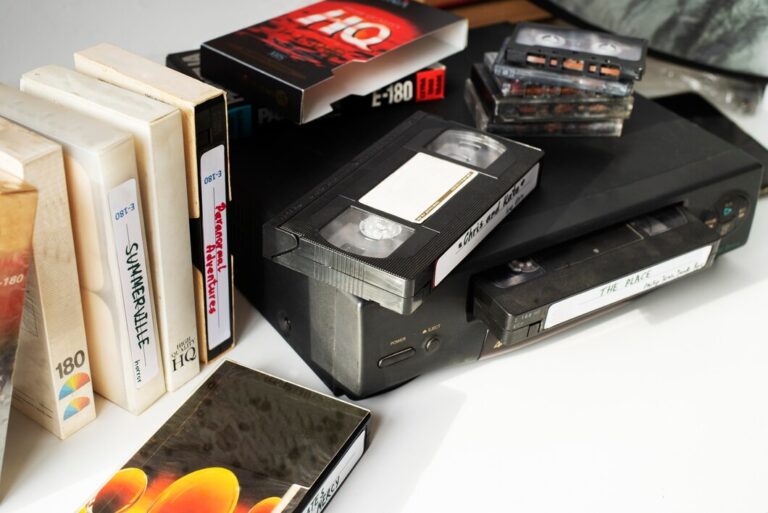
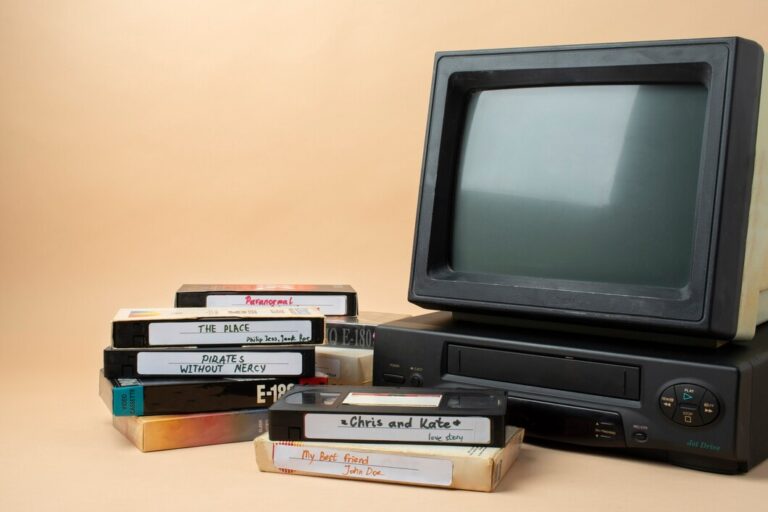
Converting VHS to digital preserves videos before magnetic tape deteriorates permanently.
Typical home videos include:
- Weddings
- Birthdays
- School events
- Vacations
- Holiday celebrations
Digitizing these recordings ensures they remain viewable on modern devices.
How to Convert VHS Tapes to Digital
Many people ask how to convert VHS tapes to digital.
There are several options:
Option 1: VHS Capture Device
Connect a VHS player to your computer using a video capture device.
Option 2: DVD Recorder
Transfer VHS recordings to DVDs before creating digital copies.
Option 3: Professional Services
Professional conversion services use advanced equipment to recover and digitize damaged tapes with greater accuracy and quality.
For large collections, professional conversion often produces better results.
Preserve Old Videos
To preserve old videos, convert them into modern formats such as:
- MP4
- MOV
- AVI
MP4 remains one of the most compatible long-term formats.
Digital copies can then be stored across multiple devices.
Preserve Old Film and Video Recordings
Older film reels also require attention.
To preserve old film and video recordings, store film in cool, dry conditions before digitization.
Common film formats include:
- Super 8
- 8mm
- 16mm
Professional scanning creates high-resolution digital files suitable for future viewing.
Analog to Digital Conversion
One of the biggest advancements in media digitization is analog to digital conversion.
This process converts aging physical formats into digital files.
Examples include:
- VHS to MP4
- Audio cassette to MP3
- Film reels to digital video
- Slides to JPEG
- Negatives to TIFF
Digital formats are easier to duplicate and preserve.
Media Digitization
Media digitization goes beyond simple scanning.
It includes:
- Video capture
- Audio conversion
- Film scanning
- Document scanning
- Image restoration
- Metadata tagging
Comprehensive digitization ensures every memory remains searchable and accessible.
Photo Restoration
Some photographs suffer from fading, scratches, stains, or tears.
Modern photo restoration techniques can repair:
- Color fading
- Water damage
- Dust spots
- Scratches
- Missing corners
- Creases
While digital restoration improves appearance, always preserve the untouched original scan as well.
Photo Restoration Services
For severely damaged photographs, professional photo restoration services may provide the best results.
Experts use advanced editing software to reconstruct damaged images while preserving their historical value.
These services are especially valuable for irreplaceable family portraits and historical photographs.
Digital Preservation
Creating digital files is only the beginning.
Digital preservation requires ongoing maintenance.
Storage devices eventually fail.
File formats evolve.
Technology changes.
Regular monitoring ensures your files remain accessible over time.
Long-Term Data Storage
Reliable long-term data storage combines multiple storage methods.
Recommended options include:
- External hard drives
- SSDs
- Network Attached Storage (NAS)
- Cloud storage
- Archival-quality optical discs
Avoid relying on a single storage device.
Backup Old Media
Always backup old media immediately after digitization.
Maintain multiple copies in separate locations.
This protects against:
- Computer crashes
- Hard drive failure
- Natural disasters
- Theft
- Accidental deletion
Frequent backups are one of the simplest ways to secure family memories.
Data Backup Solutions
Modern data backup solutions include both local and cloud storage.
Popular backup strategies include:
- Automatic cloud synchronization
- External hard drive backups
- NAS devices
- Redundant storage systems
Automatic backups reduce the chance of forgetting to protect new files.
Digital Backup for Old Family Memories
A digital backup for old family memories should be updated regularly.
Every few months:
- Verify files open correctly.
- Replace aging storage devices.
- Update file formats if necessary.
- Create additional backup copies.
Routine maintenance keeps your archive healthy.
Digital Archiving
Digital archiving involves organizing files for permanent preservation rather than everyday use.
A strong archive includes:
- Original high-resolution scans
- Edited versions
- Metadata
- Descriptions
- Dates
- Family names
Proper archiving makes future retrieval much easier.
Digital Memory Archive
Building a digital memory archive creates a centralized location for your family’s history.
Include:
- Photos
- Videos
- Audio recordings
- Letters
- Certificates
- Newspaper clippings
- Family trees
A complete archive tells your family’s story across generations.
Historical Preservation
Beyond personal collections, historical preservation protects documents, photographs, and recordings that reflect local communities and cultural heritage.
Families often unknowingly possess valuable historical materials that deserve careful preservation.
Recording names, locations, and dates alongside media greatly increases historical value.
Preserve Historical Records
To preserve historical records, always store originals separately from working copies.
Never write directly on old photographs or documents.
Instead, label storage sleeves or create digital notes.
Context is just as important as the images themselves.
Family History Preservation
Family history preservation involves more than saving photographs.
Record:
- Names
- Birthdates
- Locations
- Stories
- Relationships
- Traditions
Adding captions and written memories transforms simple photographs into lasting historical records.
Scrapbooking Memories
Traditional scrapbooking memories remains a wonderful way to celebrate family history.
Use:
- Acid-free paper
- Archival adhesives
- Protective sleeves
- Photo-safe pens
Avoid using ordinary glue or tape, which can damage photographs over time.
Multimedia Preservation
Modern collections often include many formats.
Multimedia preservation combines photographs, videos, audio recordings, scanned documents, and digital files into one organized archive.
Combining all formats provides a richer historical record.
Archival Storage
Professional archival storage emphasizes stable environmental conditions.
Ideal storage includes:
- Cool temperatures
- Low humidity
- Minimal light exposure
- Acid-free containers
- Dust protection
Good storage dramatically extends the life of original materials.
Best Tools for Digitizing Old Media
If you’re wondering about the best tools for digitizing old media, consider these options:
- Flatbed photo scanners for prints and documents
- Dedicated film and slide scanners for negatives and transparencies
- USB video capture devices for VHS conversion
- High-quality audio interfaces for cassette and vinyl transfers
- External hard drives and cloud services for secure storage
- Photo editing software for restoration and organization
Choose tools that support high-resolution output and widely accepted file formats to ensure compatibility in the future.
Best Methods for Media Preservation
The best methods for media preservation combine physical care with digital technology.
Effective preservation includes:
- Proper handling of originals
- Climate-controlled storage
- High-resolution digitization
- Multiple backups
- Organized file management
- Regular data checks
- Periodic migration to newer storage devices
Using several methods together offers the strongest protection.
Tips for Preserving Old Media at Home
If you’re looking for tips for preserving old media at home, follow these practical guidelines:
- Store media in a cool, dry, and dark place.
- Use archival-quality boxes, sleeves, and albums.
- Scan photographs before signs of fading appear.
- Convert VHS tapes and film reels to digital formats.
- Handle originals with clean hands or cotton gloves.
- Keep duplicate digital backups in different locations.
- Label files with clear names, dates, and descriptions.
- Review your digital archive annually to ensure files remain accessible.
Small preventive steps today can prevent significant losses tomorrow.
How to Archive Family Memories Safely
Learning how to archive family memories safely is about planning for the long term.
Combine physical preservation with digital storage by keeping originals protected while creating high-quality digital copies. Keep your files organized in clearly labeled folders, use the 3-2-1 backup strategy, and check your archive periodically to make sure every file is still accessible.
Sharing copies with trusted family members also provides an extra layer of security.
How to Protect Memories for Future Generations
One of the greatest gifts you can leave behind is a well-preserved collection of family memories. How to protect memories for future generations starts with taking action before age and technology make recovery difficult.
Document the stories behind photographs, identify the people in old images, record family traditions, and preserve both originals and digital copies. Memories become far more meaningful when future generations understand the people, places, and events they represent.
Preserving Old Media for Long-Term Storage
Preserving old media for long-term storage requires an ongoing commitment rather than a one-time project. Technology evolves, storage devices age, and new preservation methods emerge.
Review your archive every few years, migrate files to newer storage media when needed, and continue expanding your digital photo library and digital memory archive as new family memories are created.
Final Thoughts
Preserving old media is about much more than saving photographs or converting VHS tapes—it is about protecting your family’s legacy. Through thoughtful media preservation, digital preservation, media digitization, and careful archival storage, you can ensure that treasured moments remain accessible for generations to come. Whether you’re learning how to digitize old photos and videos, exploring the best ways to protect old memories, or investing in photo restoration services, every step you take today helps safeguard tomorrow’s history.
By embracing analog to digital conversion, organizing a secure digital memory archive, creating reliable data backup solutions, and practicing proper care for original materials, you can successfully protect old memories, preserve family memories, and support meaningful family history preservation. The memories you save today will become the stories, connections, and heritage that future generations cherish for years to come.
About the Author