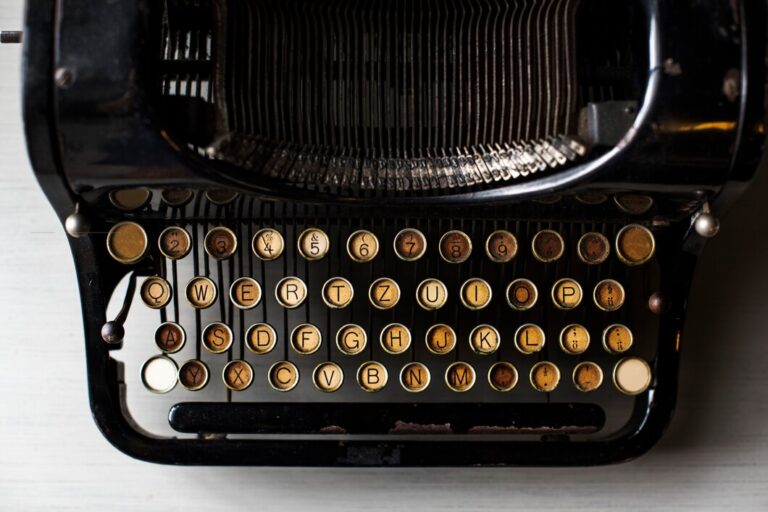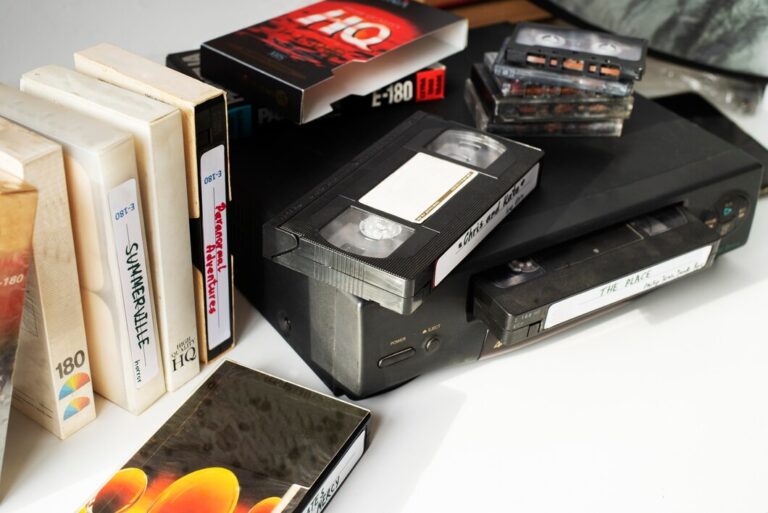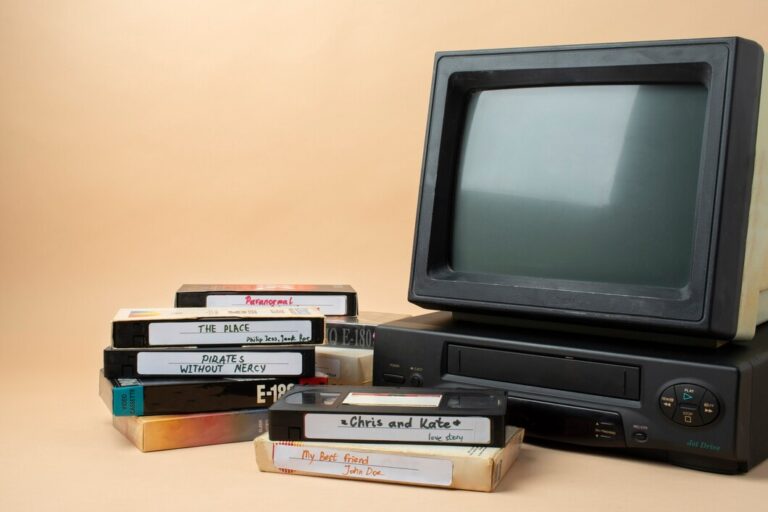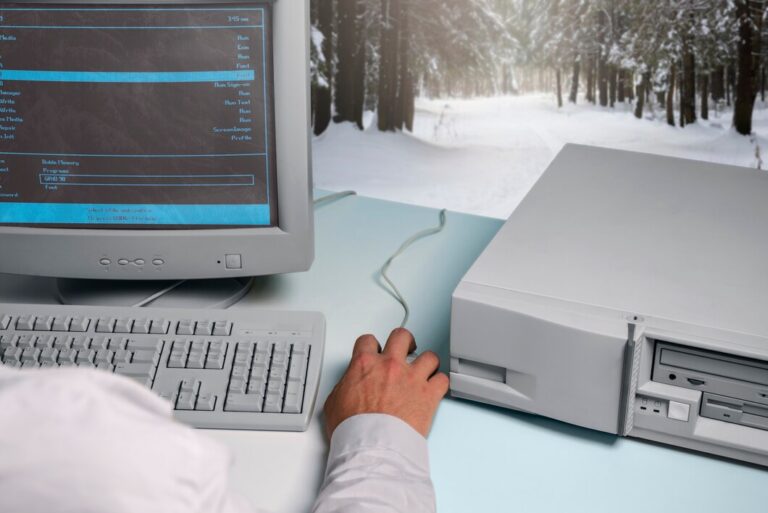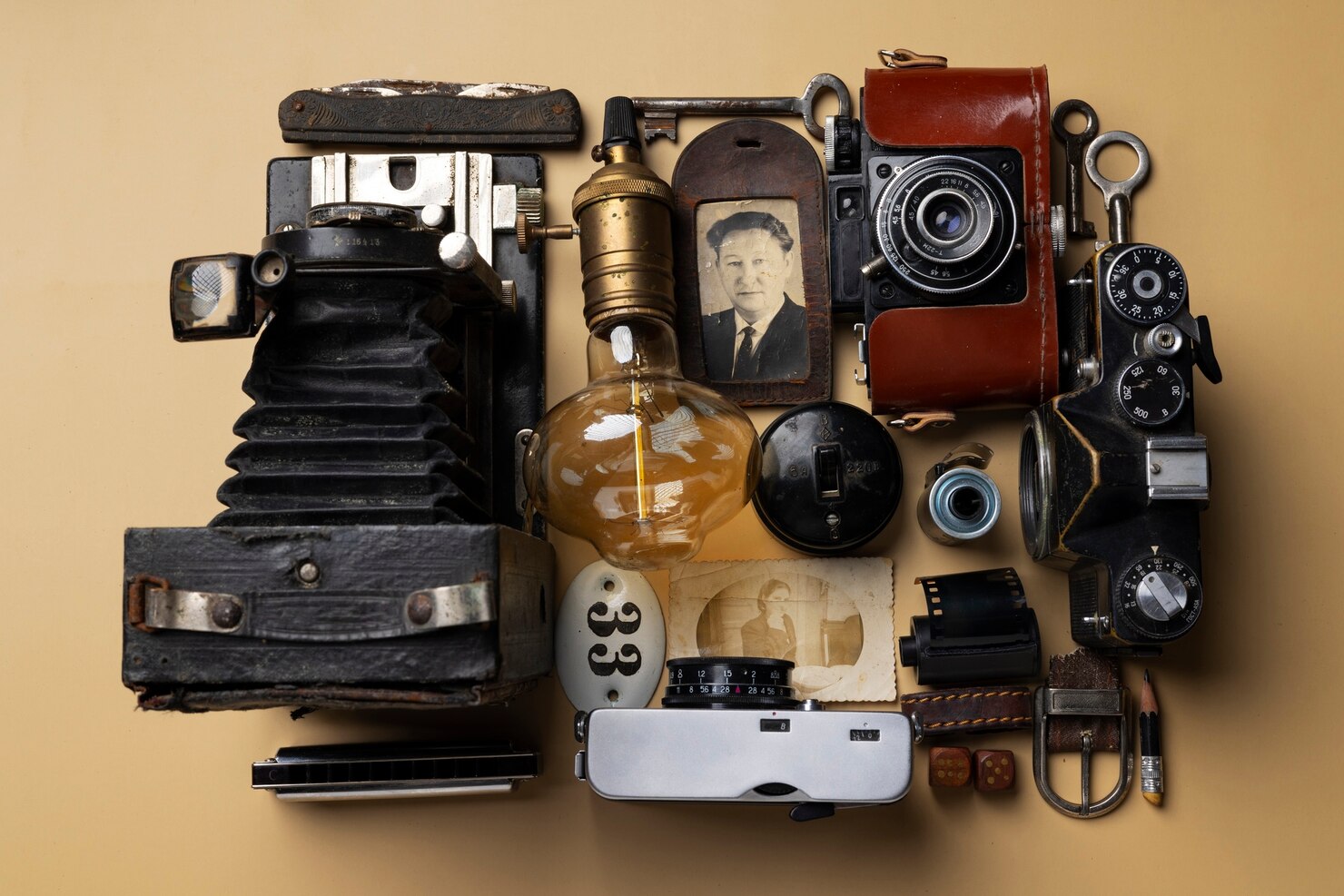
Technology preserving old media has revolutionized the way we safeguard memories, historical records, and cultural artifacts for future generations. Advances in Old media preservation, Digital media preservation, and Media digitization are making it easier than ever to protect aging photographs, films, audio recordings, and documents from irreversible damage. Through Analog to digital conversion, Digital archiving, Historical media preservation, and Audio and video restoration, valuable content can now be restored with remarkable accuracy. Innovations such as Film restoration technology, Photo restoration technology, Digital preservation techniques, and AI-powered restoration are transforming Media restoration while ensuring long-term Archive preservation. Whether you’re interested in How technology is transforming the preservation of old media or looking for the Best technology for preserving old media, today’s digital tools provide effective solutions for preserving the past while making it accessible for the future.
Introduction
Old photographs, VHS tapes, cassette recordings, vinyl records, film reels, and printed documents hold priceless memories and historical significance. Unfortunately, these physical media formats naturally deteriorate over time due to aging, environmental conditions, moisture, heat, dust, and repeated handling. Without proper preservation, valuable family memories and important cultural records may disappear forever.
Fortunately, rapid technological advancements are changing the future of media preservation. Modern digital tools allow individuals, museums, libraries, archives, and organizations to restore, digitize, organize, and securely store aging media with incredible precision.
Today, preserving history is no longer limited to physical storage. Digital technologies are making media more durable, searchable, shareable, and accessible across generations.
Why Old Media Needs Preservation
Physical media has a limited lifespan. Even under ideal storage conditions, many analog formats eventually degrade.
Common examples include:
- Fading photographs
- Scratched film reels
- Mold-damaged videotapes
- Warped vinyl records
- Broken cassette tapes
- Yellowing paper documents
Without proper Old media preservation, these materials can become unreadable or permanently lost.
Preservation protects not only personal memories but also historical records, artistic works, and cultural heritage.
The Shift Toward Digital Media Preservation
One of the biggest advances in recent decades has been Digital media preservation.
Instead of relying solely on fragile physical materials, media can now be converted into digital files that are easier to store, copy, and protect.
Benefits include:
- Longer lifespan
- Easier sharing
- Better organization
- Multiple backup options
- Improved accessibility
- Reduced physical deterioration
Digital preservation provides a practical solution for safeguarding valuable collections.
Media Digitization: Preserving Memories for the Future
Media digitization refers to converting analog materials into digital formats without altering their original content.
Examples include:
- Scanning photographs
- Digitizing VHS tapes
- Converting cassette recordings
- Scanning film negatives
- Preserving printed documents
- Recording vinyl records digitally
Digitization creates high-quality copies while reducing the need to handle delicate originals.
Analog to Digital Conversion
One of the most important preservation methods is Analog to digital conversion.
Older media formats were never designed for modern digital devices.
Conversion allows obsolete formats to remain usable long after playback equipment becomes unavailable.
Common conversion projects include:
- VHS to MP4
- Audio cassette to WAV
- Film reels to digital video
- Slides to JPEG
- Negatives to TIFF
This process greatly improves long-term accessibility.
Digital Archiving
After digitization, files must be organized and protected through Digital archiving.
Digital archives include:
- Metadata
- File organization
- Backup copies
- Searchable databases
- Access controls
- Version management
Effective archiving ensures valuable content remains easy to locate for decades.
Historical Media Preservation
Museums, libraries, universities, and government organizations invest heavily in Historical media preservation.
Their collections often include:
- Historical photographs
- Newspapers
- Government documents
- Oral histories
- Motion pictures
- Radio broadcasts
- Cultural recordings
Digital preservation helps protect these materials from physical deterioration while expanding public access.
Audio and Video Restoration
One of today’s fastest-growing technologies is Audio and video restoration.
Modern software removes many common defects, including:
Audio Improvements
- Hiss
- Static
- Clicks
- Pops
- Hum
- Distortion
Video Improvements
- Scratches
- Flickering
- Dust
- Color fading
- Frame instability
- Noise
These improvements dramatically enhance viewing and listening experiences.
Film Restoration Technology
Classic films often suffer from fading colors, damaged frames, scratches, and shrinking film stock.
Modern Film restoration technology combines high-resolution scanning with advanced digital processing.
The restoration process may include:
- Film scanning
- Scratch removal
- Color correction
- Frame stabilization
- Dust removal
- Audio synchronization
Many classic movies have been successfully restored using these techniques.
Photo Restoration Technology
Old family photographs frequently develop problems such as:
- Tears
- Fading
- Water damage
- Stains
- Missing sections
- Cracks
Today’s Photo restoration technology uses sophisticated editing software and artificial intelligence to reconstruct damaged images.
Modern tools perform:
- Detail enhancement
- Color restoration
- Scratch removal
- Image sharpening
- Facial reconstruction
These techniques help preserve family history.
Digital Preservation Techniques
Successful Digital preservation techniques involve much more than simply scanning files.
Best practices include:
High-Resolution Scanning
Capture maximum image quality.
Lossless File Formats
Store master files using formats like TIFF or WAV.
Multiple Backups
Keep several copies in different locations.
Metadata Documentation
Record important information about each file.
Regular File Monitoring
Check files periodically for corruption.
These methods ensure long-term preservation.
Media Restoration
Modern Media restoration combines technology with historical accuracy.
The goal is to improve quality without altering the original content.
Professionals carefully restore:
- Historical recordings
- Newspapers
- Film reels
- Photographs
- Audio interviews
- Television broadcasts
Restoration helps preserve authenticity while improving usability.
Legacy Media Preservation
Many households still own obsolete media formats.
Legacy media preservation focuses on saving content before playback equipment disappears.
Common legacy formats include:
- VHS
- Betamax
- MiniDV
- Audio cassette
- Floppy disks
- CD-ROMs
- Slides
- Film negatives
Early digitization prevents permanent loss.
Vintage Media Restoration
Collectors often seek Vintage media restoration to preserve rare materials.
Examples include:
- Silent films
- Vintage photographs
- Historic recordings
- Early television programs
- Vinyl music collections
Technology helps restore these materials without damaging the originals.
Media Conservation
While restoration repairs damaged materials, Media conservation focuses on preventing deterioration.
Good conservation includes:
- Climate-controlled storage
- Proper humidity
- UV protection
- Acid-free containers
- Minimal handling
Combining conservation with digitization provides maximum protection.
Digital Heritage Preservation
Modern technology plays a major role in Digital heritage preservation.
Governments and cultural organizations preserve:
- Indigenous languages
- Historical manuscripts
- Traditional music
- Ancient photographs
- Archaeological records
- Historical maps
Digital preservation ensures future generations can access these cultural treasures.
Old Media Digitization at Home
Many people begin Old media digitization with family collections.
Popular projects include:
- Wedding videos
- Childhood photographs
- Family cassette recordings
- Holiday VHS tapes
- Printed letters
Digitizing these materials protects cherished memories from aging and accidental damage.
Multimedia Preservation
Today’s collections often include multiple media formats.
Multimedia preservation involves managing:
- Images
- Video
- Audio
- Documents
- Interactive media
- Digital artwork
Modern archive systems can organize all these materials together.
Digital Restoration Technology
Powerful Digital restoration technology allows professionals to repair media with extraordinary precision.
Advanced software can:
- Remove scratches automatically
- Repair damaged film frames
- Restore faded colors
- Eliminate background noise
- Improve image resolution
- Stabilize shaky footage
These tools continue improving every year.
How AI Is Improving Media Restoration
One of the most exciting developments is How AI is improving media restoration.
Artificial intelligence can quickly process thousands of damaged images or video frames, identifying and restoring details in just a matter of minutes.
AI performs tasks such as:
- Image enhancement
- Colorization
- Noise reduction
- Face reconstruction
- Frame interpolation
- Automatic object detection
AI dramatically reduces restoration time while improving consistency.
AI-Powered Restoration
AI-powered restoration is becoming standard across many preservation projects.
Machine learning algorithms identify patterns that help reconstruct damaged media.
Applications include:
- Photo restoration
- Audio repair
- Film enhancement
- Video upscaling
- Historical document reconstruction
Human experts still supervise restoration to maintain historical accuracy.
Image Enhancement
Modern Image enhancement tools improve digitized photographs while preserving authenticity.
Enhancements may include:
- Sharpening
- Contrast adjustment
- Brightness correction
- Color balancing
- Dust removal
- Scratch repair
These improvements make historical images easier to appreciate.
Technology Used in Film and Audio Restoration
Several technologies support Technology used in film and audio restoration.
These include:
- AI image processing
- High-resolution scanners
- Digital audio workstations
- Machine learning algorithms
- Spectral audio repair
- Motion stabilization software
Together, these tools preserve media at exceptional quality.
Audio Restoration Software
Professional Audio restoration software removes unwanted imperfections while preserving original recordings.
Capabilities include:
- Noise reduction
- Click removal
- Hum elimination
- Equalization
- Volume balancing
- Frequency repair
These improvements make old recordings more enjoyable to hear.
Video Restoration Tools
Modern Video restoration tools address many aging-related issues.
Software can improve:
- Resolution
- Color
- Sharpness
- Frame rate
- Stability
- Compression quality
Older videos become significantly clearer after digital restoration.
VHS to Digital Conversion
Many households still own valuable VHS collections.
VHS to digital conversion protects recordings before magnetic tape deteriorates permanently.
Digitized videos can be:
- Edited
- Shared
- Backed up
- Stored online
- Viewed on modern devices
This is one of the most popular home preservation projects today.
Cassette Tape Digitization
Audio cassettes gradually lose quality over time.
Cassette tape digitization converts recordings into digital files such as WAV or MP3.
Preserved recordings may include:
- Family interviews
- Music collections
- Voice recordings
- Educational materials
Digitization prevents further degradation.
Vinyl Record Preservation
Collectors continue embracing Vinyl record preservation despite the popularity of streaming.
Proper preservation includes:
- Careful cleaning
- Vertical storage
- Controlled temperatures
- Digital recording
- Protective sleeves
Digitized vinyl recordings preserve both music and historical authenticity.
Film Scanning
High-quality Film scanning converts film negatives and reels into detailed digital images.
Modern scanners capture:
- Fine grain detail
- Accurate colors
- High resolution
- Wide dynamic range
These digital copies can be restored without repeatedly handling fragile originals.
Cloud Storage for Archives
Modern archives increasingly rely on Cloud storage for archives.
Cloud storage offers:
- Remote access
- Automatic backups
- Disaster protection
- Easy collaboration
- Scalable capacity
Organizations often combine cloud storage with local backups for maximum security.
Digital Backup Solutions
No preservation strategy is complete without reliable Digital backup solutions.
Experts recommend following the 3-2-1 backup rule:
- Three copies of every file
- Two different storage devices
- One off-site backup
This greatly reduces the risk of data loss.
Benefits of Digitizing Old Media
The Benefits of digitizing old media extend beyond simple storage.
Advantages include:
- Longer preservation
- Easy sharing with family
- Protection from disasters
- Improved accessibility
- Better organization
- Searchable collections
- Reduced physical handling
- Enhanced restoration opportunities
Digitization ensures valuable media remains available for future generations.
Digital Collections
Museums, libraries, and universities increasingly build searchable Digital collections.
These collections allow researchers worldwide to access:
- Historical photographs
- Rare manuscripts
- Newspapers
- Maps
- Audio recordings
- Films
Digital access expands educational opportunities while protecting fragile originals.
Cultural Heritage Preservation
Technology has become essential for Cultural heritage preservation.
Digital preservation protects:
- Historic architecture
- Traditional music
- Oral histories
- Indigenous languages
- Ancient manuscripts
- Cultural artifacts
Future generations can continue learning from these valuable resources.
Future of Digital Media Preservation
The Future of digital media preservation looks incredibly promising.
Emerging technologies include:
- Artificial intelligence restoration
- Quantum storage research
- 3D cultural scanning
- Automated metadata generation
- Blockchain authentication
- Virtual reality archives
- Advanced cloud infrastructure
These innovations will make preservation more accurate, affordable, and accessible.
Best Practices for Preserving Old Media
Whether you’re preserving family memories or historical collections, following proven practices can extend the life of your media:
- Digitize aging media as early as possible.
- Store original materials in cool, dry environments.
- Use archival-quality storage boxes and sleeves.
- Create multiple digital backups.
- Choose high-resolution scanning for photos and films.
- Keep detailed records and metadata for every item.
- Regularly check backup files for integrity.
- Update storage formats as technology evolves.
- Avoid excessive handling of fragile originals.
- Share digital copies while preserving the original media safely.
These habits ensure your collection remains accessible and protected for years to come.
Conclusion
Understanding How technology is transforming the preservation of old media highlights the remarkable role that innovation plays in protecting our shared history. Advances in Old media preservation, Digital media preservation, Media digitization, Digital archiving, and Media restoration are enabling individuals and organizations to safeguard priceless photographs, films, audio recordings, and documents with greater accuracy than ever before. From VHS to digital conversion, Cassette tape digitization, and Film scanning to AI-powered restoration, Image enhancement, and secure Cloud storage for archives, modern tools ensure that valuable memories and historical records remain accessible for future generations. As Digital restoration technology continues to evolve, the future of preservation will become even more efficient, supporting Cultural heritage preservation, expanding Digital collections, and ensuring that our past is never lost to time.
About the Author