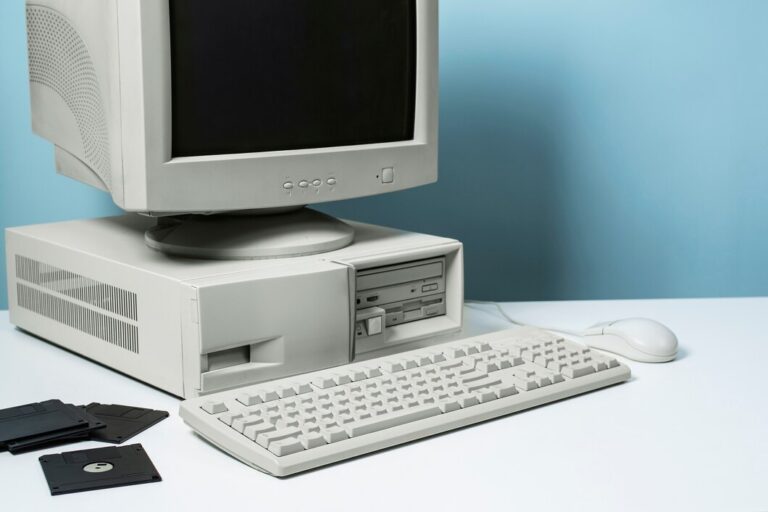
Before smartphones, Google searches, and online encyclopedias became part of daily life, millions of students and families relied on Encyclopedia Encarta for learning, homework, and digital exploration. During the peak of the CD-ROM era, Microsoft introduced a revolutionary multimedia encyclopedia that changed the way people accessed information at home. Known officially as Microsoft Encarta, this educational software became one of the most iconic digital learning tools of the 1990s and early 2000s. Before Wikipedia and today’s search engines became the primary tools for finding information online, Encarta was a reliable educational resource for students during the pre-internet era. It combined articles, videos, interactive maps, quizzes, and even the famous Mind Maze game, creating a unique educational experience that defined an important chapter in educational software history.
For many people who grew up during the 1990s, Encarta was more than software. It was an introduction to digital learning and multimedia technology. Installing a shiny CD-ROM into a home computer felt futuristic at the time. Suddenly, thousands of encyclopedia articles, historical images, science explanations, and world facts were available with just a few clicks. In an era before fast internet connections became common, Encarta represented the future of accessible information.
What Was Encyclopedia Encarta?
Encyclopedia Encarta was a multimedia digital encyclopedia developed by Microsoft. First released in 1993, it became one of the most successful educational software products of its time.
Unlike traditional printed encyclopedias that occupied entire bookshelves, Encarta stored vast amounts of information on compact discs. This innovation made learning more interactive, affordable, and visually engaging for students and families.
At a time when internet access was limited or nonexistent in many homes, Encarta offered an entirely new way to explore information digitally.
The encyclopedia included:
- Articles
- Photographs
- Videos
- Audio clips
- Interactive maps
- Timelines
- Educational games
- Quizzes
This multimedia approach helped define a major era in educational software history.
The Rise of Microsoft Encarta
The success of Microsoft Encarta came during a period when personal computers were becoming more common in households and schools.
Microsoft recognized that computers could become educational tools rather than just work machines. Encarta was created to bring knowledge into homes through multimedia technology.
Before Encarta, most families relied on printed encyclopedia collections like Britannica or World Book. These sets were expensive, physically large, and difficult to update regularly.
Encarta changed that by offering:
- Lower cost
- Interactive content
- Easier navigation
- Multimedia learning experiences
This innovation helped shape the digital learning culture of the 1990s.
The CD-ROM Era and Digital Learning
To understand Encarta’s impact, it is important to remember the significance of the CD-ROM era.
During the 1990s, CD-ROMs represented cutting-edge technology. A single compact disc could store enormous amounts of data compared to floppy disks.
For many users, CD-ROMs introduced:
- Multimedia experiences
- Digital reference materials
- Interactive games
- Educational content
The CD-ROM era became a bridge between traditional print learning and the modern internet age.
Encarta was one of the most famous examples of this technological transition.
Why Encarta Felt Revolutionary
Today, instant online searches are normal. But in the 1990s, having a searchable encyclopedia on a home computer felt extraordinary.
Users could quickly search for topics instead of flipping through physical books. This convenience changed the experience of research and learning.
Encarta’s multimedia features also made information feel alive.
Students could:
- Hear historical speeches
- Watch educational videos
- Explore animated maps
- Listen to music samples
- View scientific illustrations
This interactive approach transformed learning into a more engaging experience.
Pre-Internet Research Before Google
Modern students often cannot imagine life before online search engines. But during the era of pre-internet research, finding information required much more effort.
Before widespread internet access, students used:
- Printed encyclopedias
- Library catalogs
- Reference books
- Educational television
- CD-ROM software
Encarta simplified research by combining thousands of articles into one digital platform.
For many families, it became the primary tool for homework and school projects.
Microsoft Encarta vs Traditional Encyclopedias
Traditional encyclopedia sets were once considered essential household investments. However, they had limitations.
Problems With Printed Encyclopedias
Printed encyclopedias were:
- Expensive
- Difficult to update
- Physically bulky
- Limited in multimedia content
Updating information required purchasing entirely new editions.
Advantages of Microsoft Encarta
Microsoft Encarta offered several advantages:
- Interactive multimedia
- Easy keyword searches
- Lower cost
- Regular updates
- Educational games
- Compact storage
These benefits made Encarta especially attractive for families entering the digital age.
Educational Software History and Encarta’s Role
The story of Encarta is deeply connected to broader educational software history.
During the 1980s and 1990s, educational software became increasingly popular as personal computers entered schools and homes.
Programs focused on:
- Mathematics
- Typing skills
- Science education
- Geography
- Language learning
Encarta stood out because it attempted to create a complete digital knowledge library.
It combined information, entertainment, and multimedia in ways that felt advanced for its time.
The Famous Mind Maze Game
One of the most memorable parts of Encarta was the legendary Mind Maze game.
For many students, Mind Maze became just as iconic as the encyclopedia itself.
The game transformed educational trivia into an adventure experience. Players explored castle-like environments while answering questions related to history, science, literature, and geography.
The Mind Maze game rewarded learning by making education feel fun and interactive.
Why Mind Maze Became So Popular
The success of the Mind Maze game came from its combination of learning and entertainment.
At the time, educational games often felt boring or overly academic. Mind Maze was different because it created an immersive atmosphere.
Players enjoyed:
- Puzzle-solving
- Exploration
- Knowledge challenges
- Character interactions
- Medieval fantasy themes
For many children, the game encouraged curiosity and independent learning.
Encarta and School Homework
In the 1990s and early 2000s, Encarta became a homework essential.
Students used it for:
- History assignments
- Science projects
- Geography research
- Essay writing
- General learning
Because internet access was still slow or unavailable in many homes, Encarta provided quick and reliable information offline.
The encyclopedia helped students complete school projects more efficiently than relying solely on libraries.
Multimedia Learning Before YouTube
Today, educational videos are everywhere online. But before platforms like YouTube existed, multimedia learning was rare.
Encarta helped pioneer multimedia education through:
- Audio narrations
- Video clips
- Interactive diagrams
- Animated timelines
- Music samples
This multimedia design made information easier to understand and remember.
The Visual Experience of Encarta
One reason Encarta felt futuristic was its visual design.
The software featured:
- Colorful menus
- Search tools
- Interactive navigation
- Multimedia integration
For users accustomed to text-heavy books, Encarta felt modern and exciting.
The interface encouraged exploration and curiosity.
Encarta and the Growth of Home Computing
The rise of Microsoft Encarta coincided with growing home computer adoption.
Families began purchasing desktop computers running Windows during the 1990s. Encarta became one of the most recognizable educational programs installed on these systems.
The encyclopedia helped demonstrate the practical value of home computers for learning and education.
Internet Limitations During the Encarta Era
Modern internet users often forget how limited online access once was.
During the 1990s:
- Dial-up internet was slow
- Search engines were primitive
- Websites were limited
- Online information quality varied greatly
In contrast, Encarta provided curated information that worked instantly without internet access.
This made it highly valuable during the period of pre-internet research.
How Encarta Changed Learning Habits
Encarta influenced how students approached research and learning.
Instead of browsing library shelves for hours, users could:
- Search instantly
- Jump between related topics
- Explore multimedia resources
- Learn interactively
This shift toward digital exploration foreshadowed the internet-driven learning culture that would emerge later.
The Competition Between Encarta and Britannica
Encarta competed heavily against traditional encyclopedia publishers.
Companies like Encyclopaedia Britannica initially underestimated the importance of digital learning.
However, Encarta’s popularity showed that consumers wanted:
- Accessibility
- Multimedia content
- Lower prices
- Digital convenience
This competition accelerated the decline of printed encyclopedia dominance.
Encarta and Early Digital Curiosity
For many young users, Encarta became a gateway to curiosity.
Children often began researching school topics but ended up exploring unrelated subjects simply because information was easy to access.
This encouraged:
- Independent learning
- Exploration
- Intellectual curiosity
- Digital literacy
Encarta helped shape a generation comfortable with digital knowledge systems.
The Evolution of Educational Software
Encarta was part of a larger transformation in educational software history.
As computing power improved, educational software evolved from simple text-based programs into rich multimedia experiences.
Encarta represented one of the most ambitious examples of this evolution.
It combined:
- Reference materials
- Multimedia education
- Interactive gaming
- Search technology
in a single package.
The Technology Behind Encarta
At the time of its release, Encarta’s multimedia capabilities required significant technological innovation.
The software compressed large amounts of data onto CD-ROMs, including:
- Images
- Audio
- Video
- Text articles
This allowed users to experience multimedia education on relatively limited hardware.
Encarta’s Annual Updates
One major advantage of Encarta over printed encyclopedias was the ability to release updated versions annually.
Each year brought:
- New articles
- Updated information
- Additional multimedia
- Interface improvements
This kept the encyclopedia more current than traditional print sets.
The Role of Encarta in Family Learning
Encarta was not just for students. Entire families used it together.
Parents often explored topics alongside children, making learning a shared experience.
The encyclopedia encouraged family engagement with education and technology.
Encarta and the Early Internet Transition
As internet access improved during the early 2000s, Encarta attempted to adapt.
Microsoft introduced online updates and web-connected features.
However, the rapid growth of free internet information changed user behavior dramatically.
People increasingly preferred instant online searches over installing CD-ROM software.
The Rise of Wikipedia and Online Knowledge
Eventually, platforms like Wikipedia transformed digital information access completely.
Unlike Encarta:
- Wikipedia was free
- Continuously updated
- Web-based
- Collaborative
The internet made information more accessible than ever before.
As broadband internet expanded globally, CD-ROM encyclopedias became less practical.
Why Encarta Disappeared
Microsoft officially discontinued Encarta in 2009.
Several factors contributed to its decline:
- Rise of Wikipedia
- Faster internet access
- Free online content
- Declining CD-ROM use
- Search engine dominance
The end of Encarta symbolized the conclusion of an important phase in digital learning history.
The Legacy of Encyclopedia Encarta
Although Encarta disappeared, its influence remains significant.
The software helped introduce millions of people to:
- Digital learning
- Multimedia education
- Computer-based research
- Interactive knowledge systems
It also demonstrated how technology could transform education.
Nostalgia for the CD-ROM Era
Many people remember the CD-ROM era with strong nostalgia.
This period represented a unique stage in technological history when digital media felt exciting and experimental.
Users fondly remember:
- Installing software discs
- Exploring multimedia encyclopedias
- Playing educational games
- Discovering digital interactivity
Encarta became one of the defining symbols of that era.
Educational Software Before Streaming and Apps
Modern educational technology relies heavily on:
- Streaming services
- Mobile apps
- Cloud platforms
- AI-powered learning
But during the 1990s, educational software operated entirely offline.
Encarta demonstrated how much information and multimedia could fit onto compact discs long before cloud computing existed.
Encarta and Digital Literacy
Encarta helped improve digital literacy for an entire generation.
Users learned:
- Computer navigation
- Search techniques
- Digital research skills
- Multimedia interaction
These experiences prepared many students for the internet age that followed.
How Encarta Inspired Future Learning Platforms
Many features common in modern educational tools resemble concepts pioneered by Encarta.
These include:
- Interactive search systems
- Multimedia integration
- Hyperlinked topics
- Educational gamification
Encarta helped establish expectations for how digital learning should feel.
The Cultural Impact of Microsoft Encarta
The cultural influence of Microsoft Encarta extended beyond education.
The software represented:
- Technological optimism
- Digital transformation
- Multimedia innovation
- The transition into the information age
For many families, owning Encarta symbolized modernity and educational ambition.
Encarta in Schools Around the World
Schools widely adopted Encarta for classroom use.
Teachers used it to:
- Demonstrate multimedia learning
- Support research assignments
- Encourage student exploration
Its accessibility made it especially valuable in environments with limited internet access.
Encarta and the Evolution of Research
Research methods changed dramatically during the Encarta era.
Students moved from:
- Physical libraries
- Printed references
- Manual indexes
to:
- Digital searches
- Hyperlinked articles
- Multimedia learning
Encarta served as an important bridge between analog and digital education.
Why Encarta Still Matters Today
Even though Encarta no longer exists, studying its history helps explain the evolution of modern digital learning.
Encarta demonstrated:
- The power of accessible information
- The value of multimedia education
- The importance of digital literacy
It also showed how quickly technology can transform industries and learning habits.
Comparing Encarta to Modern Wikipedia
The comparison between Encarta and Wikipedia is fascinating.
Encarta
- Curated by experts
- Sold commercially
- Updated annually
- Offline access
- Multimedia-rich
Wikipedia
- Community-edited
- Free access
- Constant updates
- Internet-based
- Massive global scale
Both platforms played major roles in democratizing information access.
The Emotional Connection to Encarta
For many people, Encarta represents childhood memories and early experiences with technology.
Users remember:
- School projects
- Exploring random topics
- Playing Mind Maze
- Discovering new interests
This emotional connection explains why Encarta remains culturally significant decades later.
The End of the CD-ROM Educational Age
As broadband internet became standard, physical educational media declined rapidly.
The decline of the CD-ROM era affected:
- Encyclopedias
- Educational games
- Reference software
- Multimedia learning discs
Cloud-based services and online platforms replaced physical media almost entirely.
Lessons From Educational Software History
The story of Encarta offers important lessons about innovation and technological change.
It shows how:
- Technology reshapes education
- Consumer behavior evolves quickly
- Digital accessibility matters
- Interactive learning increases engagement
Encarta also reminds us that even revolutionary technologies can become obsolete.
The Future of Digital Learning
Today’s educational tools use:
- Artificial intelligence
- Virtual reality
- Cloud computing
- Adaptive learning systems
Yet many of these innovations build upon ideas first explored during the era of Encarta and multimedia CD-ROM learning.
Final Thoughts
Before the rise of Google, smartphones, and online encyclopedias, Encyclopedia Encarta represented the future of learning. During the peak of the CD-ROM era, Microsoft Encarta transformed home education by bringing multimedia knowledge directly to personal computers. It changed the experience of pre-internet research by making information searchable, interactive, and visually engaging.
From homework assignments to hours spent exploring the legendary Mind Maze game, Encarta became a defining part of childhood and education for millions of people around the world. Its influence on educational software history remains significant because it helped bridge the gap between traditional print encyclopedias and the internet-driven knowledge culture we know today.
Although Encarta eventually disappeared as free online information expanded, its legacy continues through modern educational technology, digital research habits, and multimedia learning platforms. It was more than just software. It was a symbol of technological curiosity, digital discovery, and the exciting transition into the information age.
For an entire generation, Encarta was the Wikipedia before Wikipedia existed — a digital doorway into the world of knowledge long before the internet boom changed everything forever.
About the Author