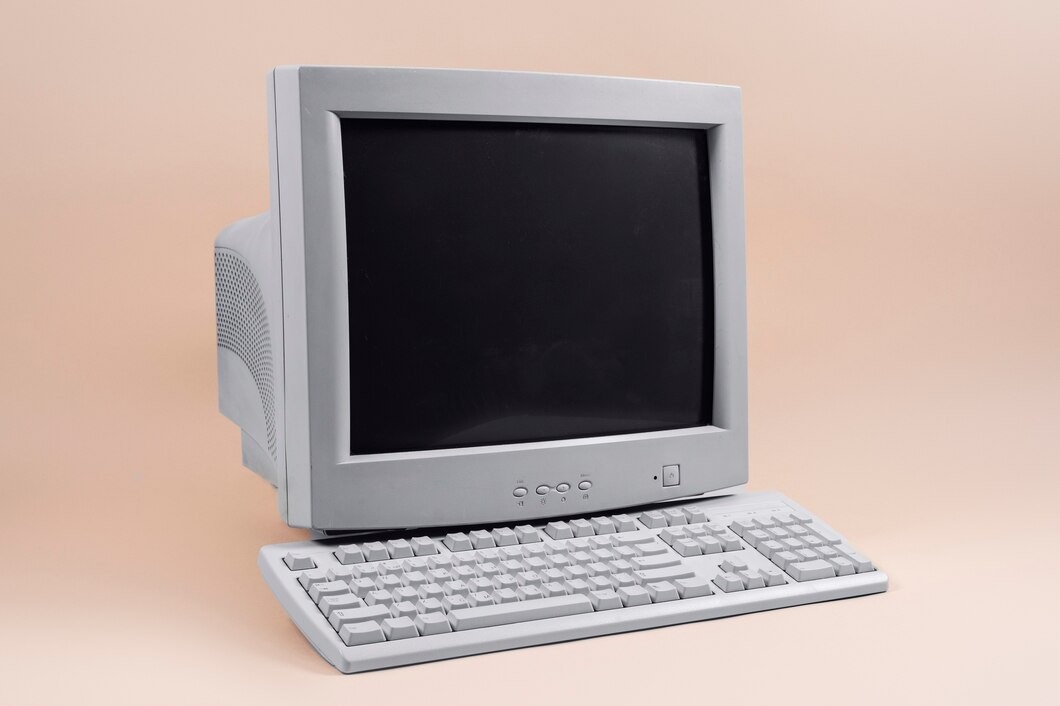
The Windows 98 history is an important chapter in the development of personal computing. Released at a time when home computers were becoming increasingly connected to the internet and new hardware was appearing rapidly, Windows 98 built on the foundation established by Windows 95 while introducing better support for emerging technologies.
For many users, Windows 98 represented the familiar desktop experience of the late 1990s. It supported USB devices, improved hardware management, introduced tighter internet integration, and became a popular platform for PC gaming. Later, Windows 98 SE refined the operating system with additional networking, internet, and hardware improvements.
Understanding Windows 98 also helps explain the broader Windows operating system history. It sits between the major transition represented by Windows 95 and the more technically significant Windows 2000 and Windows XP era.
Windows 95 Foundation
To understand Windows 98, it is important to begin with Windows 95.
Microsoft released Windows 95 in August 1995. It introduced a number of interface changes that became fundamental to later Windows versions, including the Start menu, taskbar, desktop shortcuts, and improved support for long filenames.
Windows 95 also represented an important step toward making Windows feel like a complete consumer operating environment rather than simply a graphical layer running alongside MS-DOS.
The operating system supported improved plug-and-play hardware installation, networking, multimedia capabilities, and 32-bit applications. It also helped establish the PC as an increasingly mainstream platform for home users.
However, computing was changing quickly.
By the second half of the 1990s, consumers were connecting PCs to the internet, purchasing multimedia hardware, using removable storage, and demanding better support for games and new peripherals.
Windows 98 was developed against this changing technological background.
Windows 98 Launch
Microsoft launched Windows 98 in June 1998. Its official name was Microsoft Windows 98.
Rather than completely redesigning the Windows desktop, Microsoft evolved the Windows 95 environment. This made Windows 98 familiar to existing users while adding new functionality underneath the interface.
The operating system continued to rely heavily on the Windows 9x architecture and MS-DOS heritage. It was not a complete break from the technologies used by Windows 95.
One of Microsoft’s major goals was to make the computer more closely connected to the internet and to provide better support for newer hardware.
The result was an operating system that felt familiar while reflecting the changing expectations of PC users.
Windows 98 Features
Several Windows 98 features helped distinguish the operating system from its predecessor.
Among the most notable were improved hardware support, stronger USB capabilities, enhanced networking, internet-oriented functionality, and updates to the desktop environment.
Windows 98 also introduced tools intended to make maintaining a PC easier. Improvements to disk utilities, system management, and hardware configuration reflected the growing complexity of consumer computers.
Improved Plug and Play
Windows 95 had already introduced Plug and Play, but Windows 98 continued developing the concept.
The idea was straightforward: users should be able to install compatible hardware without manually configuring every technical setting.
This became increasingly important as home users began purchasing printers, scanners, modems, cameras, speakers, and other peripherals.
Windows 98 improved support for detecting and configuring hardware, although the experience was not always seamless.
Better Hardware Support
The late 1990s saw rapid development in PC hardware.
New processors, graphics cards, storage devices, USB peripherals, and multimedia components were entering the market.
Windows 98 expanded driver and hardware support to keep pace with this growth. This was particularly important for consumers who were upgrading individual components rather than replacing their entire computer.
Internet Integration
One of the defining themes of Windows 98 was Microsoft’s stronger integration of internet-related technologies.
Internet Explorer was closely integrated into the operating system, and Windows 98 included tools designed to make accessing online resources easier.
This reflected a broader change in computing. The PC was increasingly becoming a gateway to online information rather than simply a machine for locally installed software.
The desktop experience incorporated web-oriented concepts, while networking and internet connectivity became more prominent throughout the system.
USB and Windows 98
USB was one of the most important technologies associated with Windows 98.
Universal Serial Bus provided a standardized way to connect peripherals to a computer. Instead of relying on a variety of older connectors and configuration methods, USB offered a more flexible approach to attaching devices.
Windows 98 expanded support for USB hardware and helped make USB increasingly practical for everyday PC users.
This mattered because the types of devices connected to computers were changing.
Users were beginning to connect:
- Printers
- Scanners
- Digital cameras
- Game controllers
- Modems
- Storage devices
- Keyboards and mice
- Other external peripherals
Windows 98 was not the first operating system to support USB, and USB support was not perfect at launch. Nevertheless, its increasing integration helped establish USB as an important part of the consumer PC experience.
The importance of this development becomes clearer when looking at modern computers, where USB connectivity is almost taken for granted.
Internet Integration and the Web
The late 1990s were a major period in the development of the consumer internet.
Web browsers were becoming essential applications, internet service providers were expanding access, and websites were becoming more sophisticated.
Windows 98 was designed during this transition.
Microsoft’s approach involved integrating web-related capabilities into the Windows environment. Internet Explorer was deeply connected to the operating system, and various Windows components incorporated web-oriented functionality.
This strategy was controversial and later became part of Microsoft’s antitrust battles in the United States and elsewhere. The debate centered partly on Microsoft’s integration and distribution of Internet Explorer and its relationship with Windows.
From a historical perspective, Windows 98 therefore represents more than an operating system update. It reflects a period when the distinction between a personal computer’s local desktop and the emerging web was becoming less clear.
Windows 98 and PC Gaming
Gaming was another important part of the Windows 98 story.
During the late 1990s, PC games were becoming increasingly sophisticated. Advances in 3D graphics hardware and technologies such as Microsoft’s DirectX helped developers create richer games for Windows.
Windows 98 provided a consumer platform for this growing gaming ecosystem.
Games could take advantage of improved graphics hardware, sound cards, processors, and other components. Multiplayer gaming was also beginning to expand as internet connectivity became more common.
Windows 98 therefore became associated with a memorable period in PC gaming history.
Titles from this era helped demonstrate the potential of the Windows PC as a gaming platform. The operating system was not solely responsible for these developments, but its hardware and software support formed part of the environment in which they occurred.
DirectX and Windows Gaming
Microsoft’s DirectX technologies played an important role in Windows gaming.
DirectX provided APIs that helped game developers interact with hardware such as graphics and sound devices without having to design separate systems for every hardware configuration.
This helped Windows become a more attractive platform for game development.
As graphics cards became more capable, developers could create increasingly complex 3D environments. Windows 98 arrived during this period of rapid experimentation and technological growth.
Windows 98 SE
Microsoft released Windows 98 SE, or Windows 98 Second Edition, in May 1999.
The Second Edition was not a completely new operating system. Instead, it refined Windows 98 and included a collection of updates and improvements.
Among the notable additions was improved Internet Connection Sharing, which made it easier for multiple computers on a network to share an internet connection.
Windows 98 SE also included updated versions of several components and improved support for certain hardware and networking configurations.
For many users, SE became the preferred version of Windows 98.
Why Windows 98 SE Mattered
The release of Windows 98 SE demonstrated Microsoft’s approach to maintaining the Windows 9x platform while addressing shortcomings and incorporating newer technologies.
It also arrived at an important moment in consumer computing.
Home networks were becoming more common, internet access was spreading, and users increasingly expected their computers to communicate with other devices.
Windows 98 SE helped the platform remain relevant while Microsoft worked on the next generation of Windows technology.
Windows 98 and the Windows Operating System History
The broader Windows operating system history can be viewed as a progression of different architectural and user-experience eras.
Windows 3.x established Windows as a major graphical environment for PCs.
Windows 95 introduced a redesigned consumer desktop and strengthened the move toward 32-bit computing.
Windows 98 refined that approach while responding to the internet and hardware revolution of the late 1990s.
Windows 2000 represented Microsoft’s more modern Windows NT architecture for professional and business computing.
Windows XP later combined the consumer-friendly Windows experience with the Windows NT foundation, creating a much more unified Windows platform.
In this sequence, Windows 98 occupies an interesting position. It was highly familiar to consumers, but technically it belonged to the older Windows 9x generation.
Limitations of Windows 98
Despite its popularity, Windows 98 had significant limitations.
The Windows 9x architecture retained substantial dependence on MS-DOS and had limitations compared with the more robust Windows NT family.
System stability could be affected by poorly behaved drivers or applications. Hardware configuration could also become complicated, especially as PCs grew more sophisticated.
Memory management and system-resource limitations were another issue for demanding users.
These limitations became increasingly noticeable as computers and applications became more advanced.
Windows 98 was designed for an earlier generation of personal computing. As software requirements and hardware capabilities increased, Microsoft’s more modern Windows NT architecture became increasingly important.
The Transition Beyond Windows 98
After Windows 98 SE, Microsoft continued the Windows 9x line with Windows Millennium Edition, commonly called Windows Me, released in 2000.
Windows Me represented another attempt to extend the consumer Windows 9x platform.
At the same time, Microsoft was developing Windows 2000 using the Windows NT architecture.
This created an important transition in Microsoft’s product history.
Windows 2000 offered a more robust foundation for professional computing, while consumer versions continued using the Windows 9x architecture.
Eventually, Microsoft moved toward a unified Windows platform.
Windows XP, released in 2001, was based on Windows NT technology while providing a consumer-oriented interface. This effectively marked the end of the Windows 9x era.
The Legacy of Windows 98
The legacy of Windows 98 extends beyond its market lifespan.
For many users, it was their introduction to USB peripherals, home networking, internet-connected computing, and increasingly advanced PC games.
Its interface also preserved many conventions introduced by Windows 95. The Start menu, taskbar, desktop icons, File Explorer, and familiar window-based workflow became deeply established in everyday PC use.
Windows 98 also represents a transitional period in technology.
The computer was changing from a mostly self-contained machine into a connected device.
The internet was becoming central to everyday computing. USB was replacing older peripheral connection methods. Digital cameras and other consumer electronics were becoming more common. PC gaming was advancing rapidly with 3D graphics.
Windows 98 existed at the center of all these changes.
Why People Still Remember Windows 98
There is a strong nostalgic connection between Windows 98 and late-1990s computing.
For users who grew up with PCs during that period, the Windows 98 desktop could represent a first computer, a first internet connection, early PC games, school projects, or experimenting with hardware.
Its distinctive sounds, icons, startup experience, and desktop design became recognizable parts of computing culture.
But its historical importance is not based only on nostalgia.
Windows 98 helped bridge two eras: the traditional standalone PC and the increasingly connected personal computer.
It arrived when the internet was moving into homes, USB was gaining momentum, multimedia hardware was expanding, and gaming technology was rapidly improving.
Frequently Asked Questions
When was Windows 98 released?
Microsoft released Windows 98 in June 1998. It followed Windows 95 and continued Microsoft’s consumer-focused Windows 9x product line.
What were the major Windows 98 features?
Important Windows 98 features included improved Plug and Play, stronger USB support, enhanced hardware compatibility, internet integration, updated system utilities, and improvements for networking and multimedia.
What is Windows 98 SE?
Windows 98 SE means Windows 98 Second Edition. Released in 1999, it included updates and improvements to the original Windows 98, including enhanced networking and Internet Connection Sharing.
Did Windows 98 support USB?
Yes. Windows 98 provided broader USB support than earlier Windows versions and helped make USB peripherals increasingly practical for consumer PCs.
Was Windows 98 good for gaming?
Windows 98 became an important gaming platform during the growth of PC 3D graphics and DirectX-based gaming. Its popularity coincided with major developments in PC gaming hardware and software.
What came after Windows 98?
Windows Me followed the Windows 98 generation in Microsoft’s consumer product line. Windows 2000 was developed separately using the Windows NT architecture, and Windows XP later unified the consumer Windows experience around the NT-based foundation.
Why is Windows 98 historically important?
Windows 98 represents an important transition in personal computing. It combined the familiar Windows 95 desktop model with improved hardware support, USB connectivity, internet integration, and technologies supporting the rapidly growing PC gaming and networking markets.
Final Thoughts
The Windows 98 history is ultimately a story about a computer industry changing quickly.
Windows 98 did not completely reinvent the Windows desktop. Instead, it refined the Windows 95 foundation while adapting to a new era of USB devices, internet connectivity, multimedia, home networking, and PC gaming.
Windows 98 SE extended that approach with additional updates and networking improvements, helping the platform remain useful during the transition toward newer Windows technologies.
Although later versions of Windows introduced more significant architectural changes, Windows 98 remains an important milestone in Windows operating system history. It captured the personal computer at a moment when the machine on the desk was becoming something more: a connected, multimedia device that could communicate with the wider digital world.
About the Author